 Blaine Siding
 Roof Repair Built for Nooksack's Weather, Not Just Any Roof
Nooksack sits in a part of Whatcom County where the roof rarely gets a break. Moisture-heavy air moves in off the water and settles into the valley, rain falls steadily for months at a stretch, and the tree cover that makes this area beautiful also means constant shade, needle litter, and moss pressure on every north-facing slope. A roof here isn't just shedding water during a storm — it's managing near-constant dampness for a large part of the year. That changes what "roof repair" actually needs to mean. A patch that would hold up fine in a dry climate can fail here in a single wet season if it doesn't account for how water actually moves across a roof plane, under flashing, and into valleys during driving, wind-blown rain.
We repair roofs in Nooksack the way the local climate requires: correcting the underlying cause of a leak or failure, not just covering the symptom. That's the difference between a repair that lasts and one that reopens the same problem in a year.
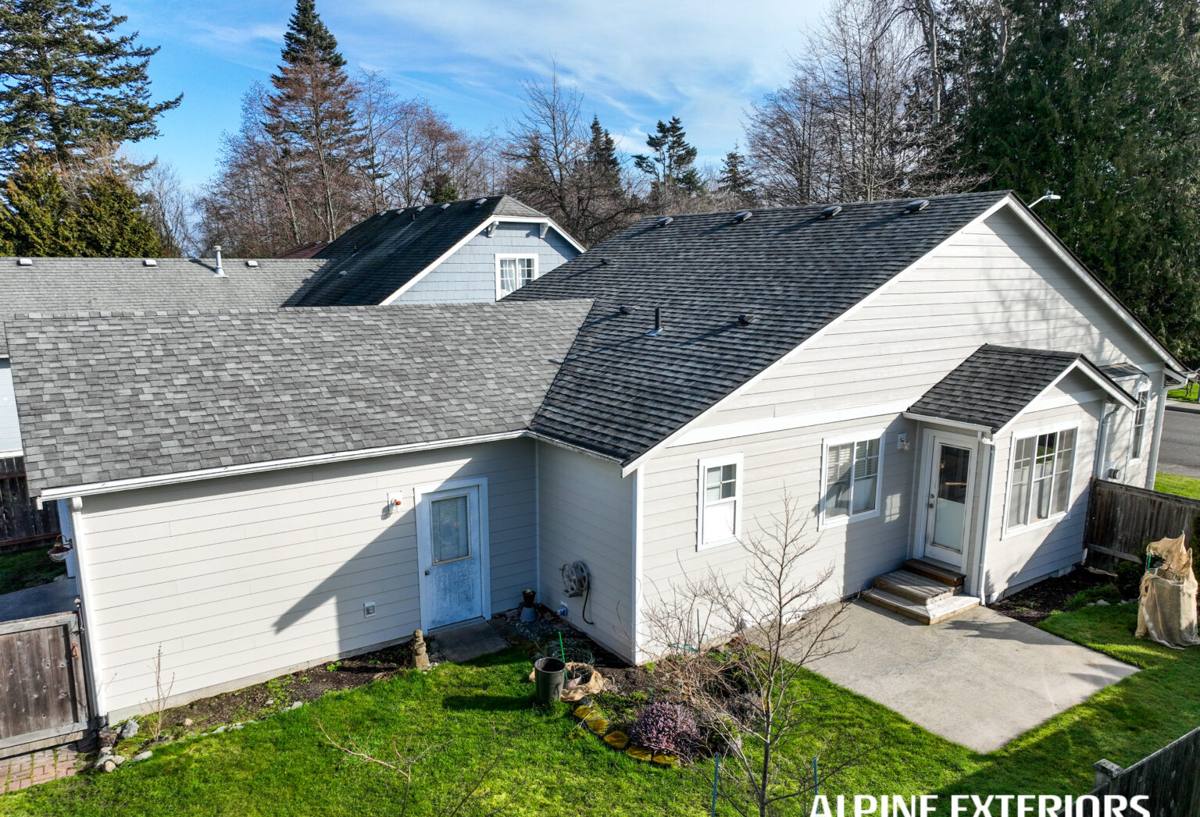
Common Roof Problems We See in Nooksack Homes
Most of the repair calls we get in this area fall into a handful of recurring categories. None of them are unusual for the Pacific Northwest, but they show up here with more frequency and severity because of how much wet weather the roof has to absorb.
Moss and Organic Growth
Shaded roof sections, especially those facing north or shadowed by mature trees, stay damp longer after every rain. Moss takes hold in that dampness, and as it spreads it lifts shingle edges, holds water against the roofing material, and accelerates granule loss. Left unaddressed, moss growth turns a cosmetic issue into a structural one.
Flashing Failures
Flashing around chimneys, skylights, vent pipes, and roof-to-wall transitions is where the vast majority of leaks actually originate — not in the open field of shingles. Sealant breaks down, metal corrodes or shifts, and once that seal opens up, driving rain finds its way in during wind events.
Wind and Storm Damage
Winter storms bring sustained wind that can lift shingle tabs, tear ridge caps loose, or drive rain sideways under roofing edges that would otherwise shed water fine in calm conditions. Damage from these events is sometimes obvious and sometimes not — a lifted tab that reseals on its own can still have broken its seal strip permanently.
Gutter and Drainage Backups
Needle and leaf debris from surrounding trees clogs gutters and downspouts quickly in this area. When water can't leave the roof edge properly, it backs up under the first course of shingles or overflows behind fascia boards, leading to rot that's often mistaken for a roofing problem when it's really a drainage problem.
Slow Leaks from Aging Underlayment
On older roofs, the underlayment beneath the shingles has simply worn out from years of cumulative moisture exposure. These leaks are often intermittent and hard to pin down without a proper inspection, because they only show up under specific wind and rain conditions.
What a Correct Roof Repair Actually Involves
A repair done right starts with figuring out where water is actually entering — which is not always where it shows up on the ceiling inside. Water can travel along rafters, sheathing, or underlayment for several feet before it drips somewhere visible. That's why we don't quote or perform a repair based on a guess from the ground.
- Physical inspection of the roof surface, not just a look from a ladder or the driveway
- Interior inspection of the attic or affected ceiling area where accessible, to trace the actual water path
- Identification of the root cause — flashing, aged material, moss damage, drainage, or wind lift — not just the visible symptom
- Repair of the underlying issue first, then restoration of the surface material to match as closely as possible
- A check of surrounding areas for related wear, since one failure point often signals others nearby
Skipping any of these steps is how homeowners end up paying for the same repair twice. A tar patch over a symptom might stop a drip for a season, but if the flashing underneath is still failing, the water simply finds a new path.
Our Repair Process
We keep the process straightforward and honest from the first call to the final walkthrough.
1. Assessment and Honest Diagnosis
We look at the whole roof, not just the spot you're worried about. If we find additional wear that isn't urgent yet, we'll tell you and let you decide the timeline — we don't pad a repair with unnecessary work.
2. Clear Explanation Before Any Work Begins
You'll know what failed, why, and what the fix involves before we start. If a repair isn't the right call — because the roof is old enough or damaged enough that repair costs are approaching replacement value — we'll tell you that plainly instead of running up repair charges on a roof that's near the end of its service life.
3. The Repair Itself
Matching materials as closely as possible, correcting flashing and underlayment where needed, and making sure the repair integrates with the surrounding roofing rather than sitting on top of it as a patch.
4. Cleanup and Debris Removal
Old material, nails, and debris get cleared from the roof, gutters, and ground — moss and shingle debris left in gutters just causes the next backup.
5. Final Check
We walk the repair with you when possible, and confirm the fix addresses the cause, not just the symptom you originally called about.
Repair vs. Replacement: How to Tell Which You Need
Not every roof problem calls for a full replacement, and not every leak should be treated as a quick patch. The table below outlines the general factors that push a decision one way or the other.
| Factor | Leans Toward Repair | Leans Toward Replacement |
|---|---|---|
| Roof age | Well within expected material lifespan | At or beyond the material's typical service life |
| Extent of damage | Isolated to one area (flashing, one section) | Widespread wear, multiple failure points |
| Moss and organic damage | Surface growth, shingles still intact underneath | Granule loss and shingle deterioration under moss |
| Underlayment condition | Sound, isolated tear or gap | Widely degraded from age or repeated moisture exposure |
| Decking condition | Solid, no soft spots | Soft, rotted, or spongy sheathing found during inspection |
| Repair history | First or infrequent repair needed | Recurring leaks in different spots over recent years |
We'll always give you a straight answer on which category your roof falls into, backed by what we actually find during the inspection — not a sales push in either direction.
Materials and Methods We Use
For repair work, matching the existing roofing material matters as much as the workmanship. Mismatched shingle types, colors, or profiles patch visibly and can behave differently in wind and rain than the surrounding roof. We source materials to match as closely as the original roofing allows and use flashing and underlayment products suited to the amount of sustained moisture exposure this climate produces — not just what's cheapest or fastest to install. On flashing specifically, we favor corrosion-resistant metal and proper step-and-counter flashing techniques at wall and chimney transitions, since sealant-only fixes at these points are one of the most common repeat-failure points we're called back to correct after other work.
Moss, Debris, and Ongoing Roof Health
A repair fixes what's already broken. Keeping the rest of the roof from reaching that point sooner than it should takes some routine attention, especially in a tree-covered, moisture-heavy area like Nooksack.
- Keep gutters and downspouts clear of needle and leaf debris, especially heading into fall and winter
- Have moss growth treated and removed before it lifts shingle edges, rather than after
- Trim back overhanging branches to reduce shade, debris load, and physical abrasion on the roof surface
- Check attic ventilation periodically — poor ventilation traps moisture against the underside of the roof deck
- Schedule a roof inspection after major wind events, even if there's no visible leak yet
- Address small flashing or sealant issues promptly, since they rarely stay small in this climate
Why It Matters to Hire a Crew That Already Works in Nooksack
Roofing problems in this area follow patterns that are specific to the local climate and tree cover — the same moss issues, the same drainage backups, the same flashing wear from sustained rain. A crew that regularly works Whatcom County roofs recognizes these patterns quickly instead of treating every job as a first-time diagnosis. That familiarity shows up in faster, more accurate assessments and repairs that account for what the next wet season is actually going to do to the roof, not just what it looks like on a dry afternoon during the estimate. It also means we're reachable and accountable locally if a repair needs a follow-up look — not a crew that did one job in the area and moved on.
Get an Honest Look at Your Roof
If you're dealing with a leak, visible moss buildup, storm damage, or you just want a second opinion before committing to a repair or replacement, we're glad to take a look. Reach out for a free, no-pressure estimate using the form below — we'll give you a straight assessment of what your roof actually needs.