 Blaine Siding
 Asphalt Shingle Roofing in Bellingham, Washington
Bellingham sits close enough to the water that salt air and near-constant moisture are part of daily life on a roof, and far enough north in Whatcom County that moss has months and months to work on shingles every year. Asphalt shingle roofs are still the right call for most homes here — they're affordable, they hold up when they're installed correctly, and repairs are straightforward when something does go wrong. The catch is that word "correctly." A shingle roof put on the way it would go on in a dry inland climate does not last as long in Bellingham as one installed with this specific weather in mind.
We're a Blaine-based crew that already works this stretch of Whatcom County, so we're not guessing at what Bellingham roofs are up against. This page covers what actually matters for asphalt shingle roofing here: the climate factors, what a correct installation looks like, how we run the job, and how to think about cost and materials without getting oversold.
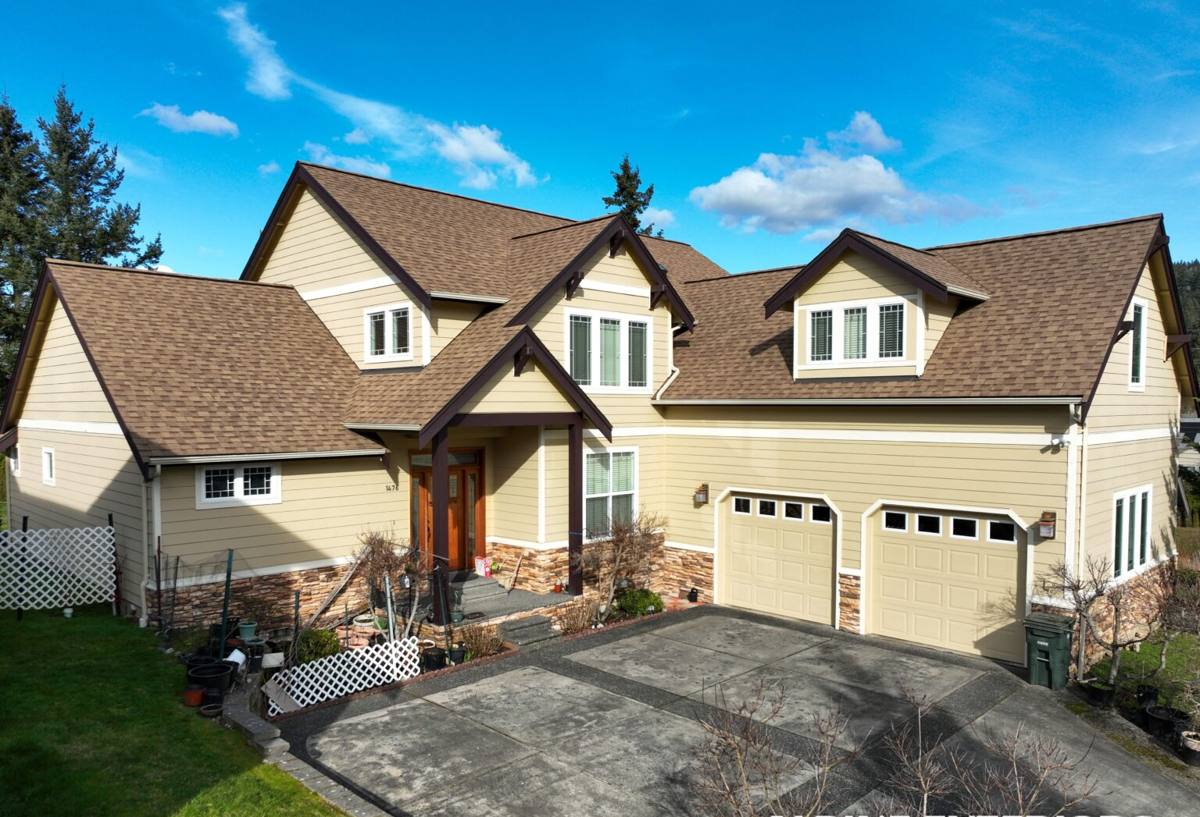
What Bellingham's Climate Actually Does to a Shingle Roof
Salt Air and Driving Rain
Bellingham's proximity to Puget Sound and the Strait of Georgia means roofs deal with airborne salt that accelerates corrosion on exposed metal — nails, flashing, vent caps, anything ferrous that isn't properly coated or capped. Combine that with driving rain that comes in sideways during winter storms, and you get water testing every seam, lap, and fastener on the roof, not just sitting on top of it. A roof that would shed water fine in a calmer climate can leak here if the underlayment, flashing, and shingle overlap aren't done with wind-driven rain specifically in mind.
The Long Moss Season
Northwest Washington's damp, shaded, mild winters give moss a long growing window — often eight months or more of conditions it likes. Moss isn't just cosmetic. It holds moisture against the shingle surface, lifts shingle edges as it grows, and works its way under laps where it keeps that section of roof wet long after the rest has dried out. Over years, that trapped moisture shortens the life of the shingles underneath it and can rot the decking if it goes unaddressed.
Temperature Swings and UV
Compared to hotter inland climates, Bellingham is easier on shingles in terms of heat-cycling and UV breakdown. That's the one piece of good news — it's not a factor that shortens roof life here the way it does elsewhere. The tradeoff is that moisture-related wear does most of the damage instead, so the installation details that manage water and moss matter more here than they would in a drier region.
What a Correct Installation Looks Like Here
None of this is exotic. It's standard roofing practice applied with attention to the parts that matter most in a wet, salt-air climate. Cutting corners on any of these is where roofs in this area start failing early.
- Underlayment: A synthetic or self-adhered underlayment rated for high-moisture climates, with full ice-and-water shield coverage at eaves, valleys, and any low-slope transitions where wind-driven rain is most likely to work its way underneath the shingles.
- Flashing: Properly stepped flashing at walls and chimneys, corrosion-resistant metal at valleys, and new flashing rather than reused flashing from the old roof — flashing is cheap compared to the leak it prevents.
- Fastening: Correct nail placement and count per shingle, driven flush (not overdriven), using nails rated to resist the corrosive effects of salt air.
- Ventilation: Balanced intake and exhaust ventilation so moist air isn't trapped in the attic, which contributes to both premature shingle wear and condensation issues on the underside of the decking.
- Starter strips and drip edge: Proper drip edge at eaves and rakes, with correctly installed starter strips underneath the first course — a detail that's easy to skip and is one of the first places wind-driven rain finds its way in if it's missed.
- Valley treatment: Woven, closed-cut, or open metal valleys installed to shed the volume of water valleys concentrate during heavy rain, not just laid to look right.
Choosing Shingles for a Wet, Coastal Climate
Shingle selection in Bellingham is less about brand and more about weight class, algae resistance, and how the shingle handles moisture over time. We'll walk through actual options and pricing during an estimate, but here's the general tradeoff:
| Shingle Type | Typical Lifespan Here | Best For |
|---|---|---|
| 3-tab (standard) | 15–20 years | Budget-conscious projects, rental properties, secondary structures |
| Architectural / dimensional | 25–30 years | Most Bellingham homes — better wind resistance and moisture shedding than 3-tab |
| Algae-resistant (AR) architectural | 25–30 years | Shaded lots or north-facing roof planes where moss and algae pressure is heaviest |
| Premium / designer | 30+ years | Homeowners prioritizing appearance and maximum service life |
For most Bellingham homes, we lean toward algae-resistant architectural shingles. The copper or zinc granules in AR shingles slow moss and algae growth, which matters more here than in drier climates where that upgrade is more optional. It's not a guarantee against moss forever, but it buys years of extra time between cleanings and extends the roof's real service life.
Our Process on a Bellingham Roofing Job
1. On-Site Inspection and Honest Assessment
We look at the current roof, the decking condition where it's accessible, ventilation setup, and any trouble spots — valleys, chimney flashing, areas with heavy moss buildup. We'll tell you straight whether you need a full replacement, a repair, or whether the roof has a few good years left.
2. Written Estimate
You get a clear scope of work and price before anything is scheduled — materials, tear-off, disposal, and any decking repair contingencies spelled out, not buried in fine print.
3. Tear-Off and Deck Inspection
We remove the old roofing down to the deck and inspect for rot or soft spots, which are common on older Bellingham roofs where moss has held moisture against the sheathing for years. Any damaged decking gets flagged and addressed before new roofing goes down — nothing gets covered over.
4. Installation
Underlayment, flashing, and shingles installed to the standards above, with attention to the details that matter most in this climate: ice-and-water shield coverage, proper valley work, and corrosion-resistant fasteners.
5. Cleanup and Walkthrough
Full site cleanup including a magnetic sweep for stray nails, followed by a walkthrough so you know what was done and what to expect going forward.
Repair, Maintenance, or Replacement?
Not every roofing issue in Bellingham means a full replacement. Here's how we generally think about it:
- Repair: Isolated leaks, a handful of damaged or lifted shingles, flashing that's failed in one spot on an otherwise sound roof.
- Maintenance: Moss removal and treatment, gutter clearing, minor flashing touch-ups — worth doing on a schedule if your lot is shaded or your roof faces north, since that's where moss pressure is highest.
- Replacement: Widespread granule loss, multiple leak points, soft or rotted decking, or a roof past 20–25 years that's showing its age across the whole surface rather than in one spot.
If you're not sure which category your roof falls into, that's exactly what the inspection is for — we're not going to sell you a replacement when a repair will hold.
What to Check Before You Hire Anyone
- Washington state contractor license and current liability insurance — ask to see both, not just hear about them
- A written estimate that itemizes materials, labor, tear-off, and disposal separately
- Manufacturer certification for the shingle brand being installed, which affects what warranty coverage you actually get
- Local references or completed work in Whatcom County, not just photos from somewhere else
- A clear answer on who handles decking repairs if rot is found once tear-off starts, and how that's priced
- A crew that's willing to explain their underlayment and flashing plan, not just the shingle brand
Why a Local Blaine Crew Makes a Difference
Roofing crews that split time across very different climates don't always adjust their default installation habits for what Whatcom County actually throws at a roof. We work this area regularly, which means the underlayment coverage, flashing details, and ventilation choices described above aren't upsells we pitch — they're just how we build a roof that's supposed to hold up against salt air and a long moss season. Being based in Blaine also means we're not disappearing after the job is done; if something needs a look two years down the road, we're still local.
Get a Free Estimate
If your Bellingham roof is showing moss buildup, granule loss, or you've had a leak you can't pin down, we're happy to take a look and give you a straight answer — whether that's a repair, a maintenance plan, or a full replacement. Use the form below to request a free, no-pressure estimate.