 Blaine Siding
 Composite Decking in Birch Point: Built for a Coastal Whatcom County Climate
Birch Point sits close enough to the water that every exterior material on a house gets tested constantly by salt-laden air, wind-driven rain, and long stretches of gray, damp weather. A deck takes more of that abuse than almost anything else on the property, because it's horizontal, low to the ground, and exposed on every side. Composite decking can handle that environment well, but only if it's specified and installed with the local conditions in mind. This page covers what that actually looks like for a Birch Point property, not a generic decking overview.
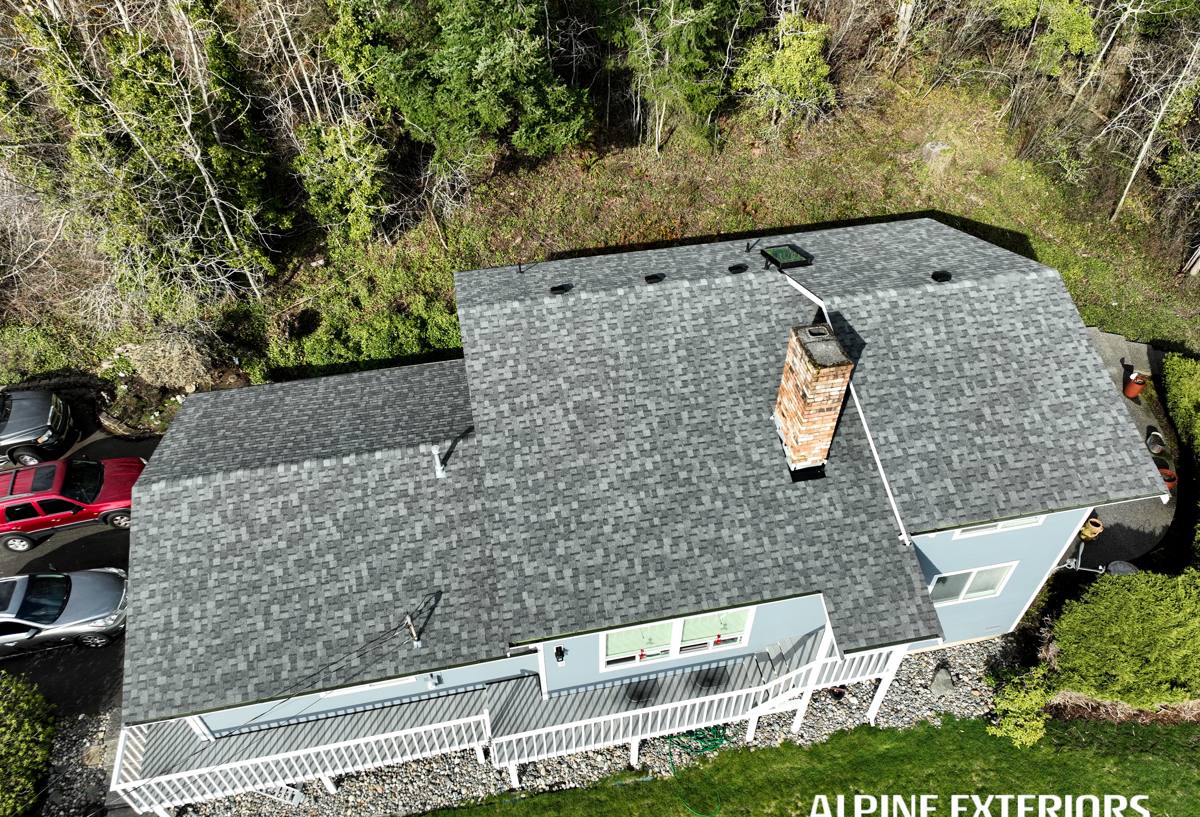
Why Birch Point's Climate Is Hard on Decking
Three things work against a deck here, and they work together, not separately.
Salt air accelerates corrosion on any exposed metal fastener, bracket, or connector. On a standard inland deck, a mismatched screw or bracket might last for years without issue. Close to Semiahmoo Bay and Drayton Harbor, the same hardware can start showing rust streaks in a season or two if it wasn't rated for coastal exposure.
Driving rain off the water pushes moisture sideways, not just down. That means end grain, fastener heads, and any horizontal ledger connection to the house take on more water than a rain-only climate would suggest. Flashing and gapping details that would be optional inland aren't optional here.
A long moss and algae season follows from the first two. Constant dampness plus filtered light under trees or on north-facing decks gives moss, algae, and mildew months to establish themselves on any surface that doesn't shed water and dry out between rains. Composite decking resists rot, but it isn't immune to surface growth if airflow and drainage underneath are poor.
None of this means composite decking is a bad choice for Birch Point — it's usually the right one. It means the installation details matter more here than they would in a drier, calmer climate.
What a Correct Installation Looks Like Here
Framing and Footings
Coastal Whatcom County soil holds moisture longer than it does further inland, which affects how footings are set and how the substructure is protected. Joists should be wrapped or capped so the composite decking above isn't sitting on framing that's slowly absorbing water from below. On older Birch Point homes with decks that were framed decades ago, we check whether the existing substructure is sound enough to build on before ever discussing board selection — a beautiful composite surface on a compromised frame is a problem waiting to surface.
Fasteners and Hardware
Every screw, hanger, and bracket in a coastal deck build should be rated for marine or coastal exposure — typically stainless steel or a coating specifically designed to resist salt corrosion. Standard galvanized hardware is built for general outdoor use, not sustained salt air, and it shows the difference within a few years near the water. This is one of the most common shortcuts we see on decks that were built by crews not familiar with Birch Point conditions, and it's one of the most expensive to fix later since it means pulling boards.
Board Spacing and Drainage
Composite boards need consistent gapping to let water drain through rather than pool on the surface or wick between boards. Too tight, and you get standing water and faster algae growth. Too loose, and the deck looks and feels unfinished, and debris collects in the gaps. Getting this right is a matter of following the manufacturer's spec and accounting for board expansion in a climate that swings between soaked and dry more than it swings between hot and cold.
Choosing the Right Board for a Salt-Air Property
Homeowners in Birch Point are usually choosing between a few paths: refinishing or replacing an old wood deck with wood again, upgrading to capped composite, or going with a fully PVC board. Each has real tradeoffs in this climate.
| Factor | Wood (cedar/pressure-treated) | Capped Composite | Solid PVC |
|---|---|---|---|
| Upfront cost | Lowest | Mid-range | Highest |
| Moisture resistance | Requires regular sealing to hold up | Strong — capped layer resists moisture intrusion | Excellent — fully synthetic, no organic material to rot |
| Moss/algae resistance | Prone to staining and growth without upkeep | Good, especially lighter/textured colors | Very good, smooth surfaces shed growth well |
| Maintenance | Annual cleaning and re-sealing recommended | Occasional wash, no sealing needed | Minimal — occasional wash |
| Typical lifespan | 10-15 years with upkeep | 25-30 years, manufacturer-dependent | 30+ years, manufacturer-dependent |
| Feel underfoot / appearance | Natural wood grain, warms with age | Wide range of wood-look finishes | Cleaner, more uniform look |
We don't push every customer toward the most expensive option. A well-built wood deck, properly maintained, is still a legitimate choice for some budgets and some homeowners who like the upkeep routine. Where we do steer people away from wood is when the deck sees heavy shade, sits close to the water, or belongs to an owner who wants to spend weekends doing something other than re-sealing boards every year. For those situations, capped composite is usually the better long-term value, and we're upfront about the maintenance and moisture behavior differences so there are no surprises after installation.
Railings, Stairs, and Local Code Considerations
Decks near the water in Blaine and unincorporated Whatcom County can fall under shoreline-related permitting depending on proximity to the water, elevation, and the scope of the project — this varies enough by parcel that we check the specifics for each property rather than assume. Railing height, baluster spacing, and stair geometry follow standard building code requirements regardless of material, and those don't change just because the boards are composite instead of wood. What does change is hardware selection for railing posts and connections, which needs the same coastal-rated fasteners as the deck field itself. We handle the permitting conversation as part of the estimate so there are no surprises once work is scheduled.
Our Process, Start to Finish
- On-site assessment. We look at the existing structure (if any), drainage patterns, sun/shade exposure, and proximity to the water to understand what the deck is actually up against.
- Material walkthrough. We go over board options, colors, and the honest tradeoffs for your specific site — not a generic sales pitch.
- Structural and permitting check. We confirm the substructure is sound or needs rebuilding, and flag any permitting requirements before work starts.
- Build. Framing protection, coastal-rated fasteners, correct board spacing, and proper flashing at the house connection.
- Final walkthrough. We go over the finished deck together, including basic care so it holds up through the wet season.
Maintaining a Composite Deck Through Blaine's Moss Season
Composite decking is low-maintenance compared to wood, but "low-maintenance" doesn't mean "no maintenance" in a climate like this one. A little seasonal attention goes a long way toward keeping a deck looking like it did on install day.
- Sweep or blow off leaves, needles, and debris regularly — trapped organic matter is what feeds moss and algae, not the composite material itself
- Rinse the deck with a hose a few times through the fall and winter to clear salt residue and grime before it sets in
- Use a soft-bristle brush and mild soap on any spots showing early algae or mildew — avoid pressure washers on composite unless you know the manufacturer's PSI limits
- Check that gaps between boards stay clear so water keeps draining rather than pooling
- Inspect railing posts and fastener points annually for any early corrosion, especially on older or non-coastal-rated hardware
- Trim back overhanging branches where possible to reduce shade and speed up drying between rains
Why Hire a Crew That Already Works Birch Point
None of the details above are complicated on their own, but they add up, and they're easy to miss for a crew that mostly builds decks in drier, inland conditions. A contractor who already works in Birch Point and along the rest of the Blaine coastline has already made the mistakes of using the wrong hardware, under-gapping boards, or skipping joist protection — and has adjusted for it. That experience shows up years later, in whether the deck still looks and performs the way it did when it was new, or whether it's showing rust streaks and soft spots after one too many wet winters.
If you're planning a new composite deck or replacing an aging one in Birch Point, we're happy to take a look and give you a straightforward, no-pressure estimate — including an honest read on your existing structure, material options that fit your budget, and what the climate here actually demands. Use the form below to get started.