 Blaine Siding
 Siding Repair in California Creek: Why This Area Needs a Different Approach
California Creek sits close enough to the water that homes here take on a different kind of weathering than siding a few miles inland in Whatcom County. The combination of salt-laden marine air, wind-driven rain off the water, and a moss season that can run most of the year means siding problems in this neighborhood tend to show up earlier and in different spots than a generic "siding repair" article would suggest. A patch job that would hold up fine in a dry inland subdivision can fail within a season here if it doesn't account for how water and salt actually move across a wall in this specific microclimate.
This page is about one thing: repairing siding on homes in and around California Creek, done in a way that actually holds up to Blaine's conditions instead of just covering up the visible problem.
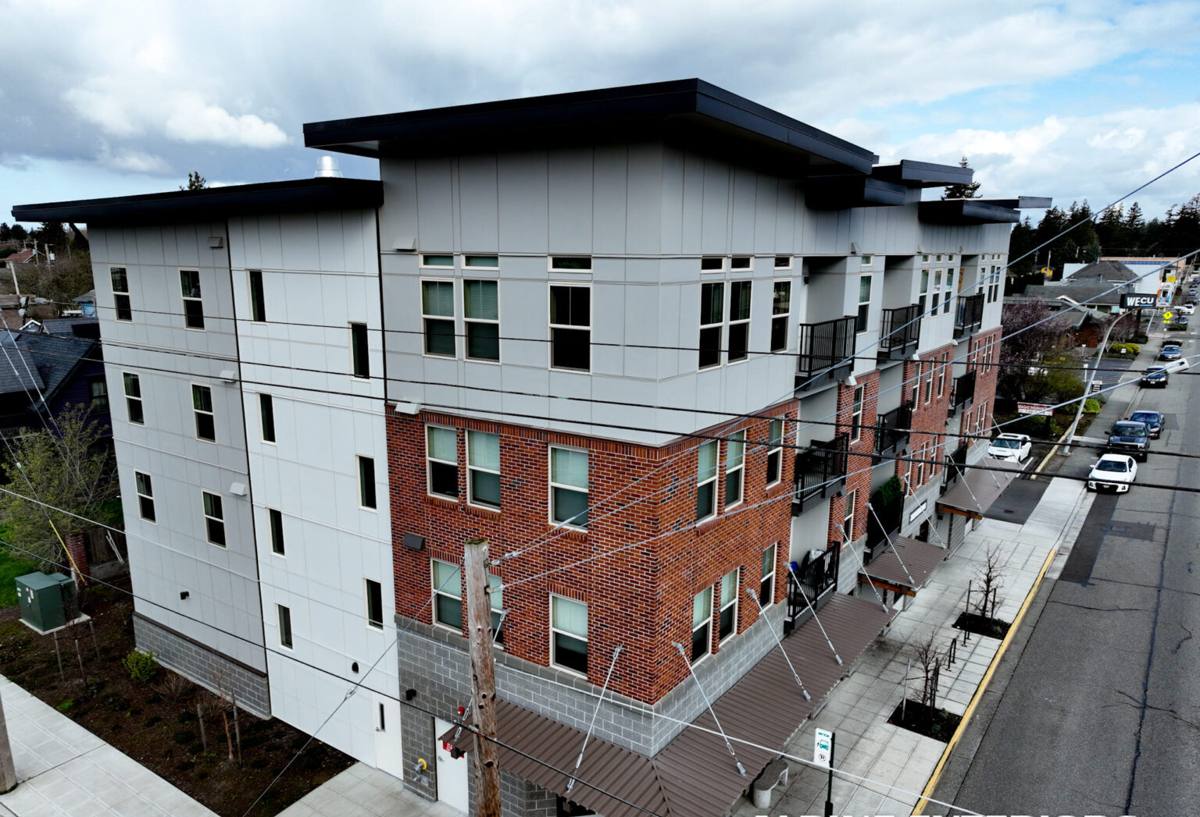
What Blaine's Marine Climate Does to Siding Near California Creek
Three conditions do most of the damage to siding in this part of Whatcom County, and they compound each other:
Salt Air
Proximity to the water means airborne salt settles on exterior surfaces year-round, not just during storms. Salt is hygroscopic — it pulls moisture out of the air and holds it against the siding surface longer than plain rain would. On fasteners, trim, and any exposed cut edges, that constant low-grade moisture accelerates corrosion and finish breakdown in a way inland homes simply don't experience at the same rate.
Driving Rain
Blaine's storms rarely come straight down. Wind-driven rain gets pushed sideways and upward under laps, around window and door trim, and into any gap that wasn't sealed correctly the first time. Siding systems are designed assuming water will find these weak points — the question is always whether the drainage plane and flashing behind the siding were built to handle it, or whether the siding itself was expected to be the only barrier.
Moss Season
Shaded, north-facing, and tree-adjacent walls in California Creek can stay damp for weeks at a stretch during the wetter months. Moss and algae take hold anywhere organic debris and shade combine with that persistent dampness, and once established, they hold moisture directly against the siding surface — which is a much bigger problem for wood-based or improperly finished products than it is for a properly sealed fiber cement wall.
Common Siding Repair Issues We See in This Area
- Caulk and sealant failure at butt joints, trim edges, and penetrations — usually the first thing to go under repeated wet/dry and salt-air cycling
- Soft or delaminating boards where moisture has been getting behind the siding for a while, often discovered only once a board is pulled
- Fastener corrosion and staining — rust streaks below nail heads are a reliable sign that either the wrong fastener was used or moisture has been sitting against it
- Moss and algae growth on shaded elevations, which traps moisture and accelerates whatever is happening underneath
- Impact and weather damage from storm debris, falling branches, or general wear near ground level and corners
- Flashing and trim gaps around windows, doors, and roof-to-wall intersections that let driving rain in even when the siding field looks fine
What a Correct Siding Repair Actually Involves
A repair that's done right is not just "replace the bad board and re-caulk." In a climate like Blaine's, a repair that skips diagnosis usually just relocates the problem a few feet away and a season or two down the road.
1. Find the Real Cause, Not Just the Symptom
Visible damage on the surface is often a downstream effect of a flashing gap, a failed sealant joint, or a drainage plane issue somewhere else on the wall. We open up the area enough to see what's actually happening behind the siding before deciding what to fix.
2. Check for Hidden Moisture Damage
Once we're behind the siding, we check the sheathing, house wrap or building paper, and framing in the affected area. If water has been getting in for a while, the siding repair is the easy part — the underlying moisture damage is what actually needs to be addressed first.
3. Match Materials and Fasteners Correctly
Repairs should use the same product profile, thickness, and exposure as the surrounding siding, with corrosion-resistant fasteners appropriate for a marine-air environment. Mismatched materials are one of the most common reasons a repaired section fails again faster than the rest of the wall.
4. Rebuild the Water Path, Not Just the Surface
Flashing, house wrap laps, and drainage gaps need to be restored correctly before the new siding goes back on. This is the step that gets skipped most often in a rushed repair, and it's the step that determines whether the fix lasts.
Repair vs. Replace: How We Help You Decide
Not every siding problem in California Creek needs a full re-side, and not every problem is a quick patch either. Here's how we weigh it:
| Factor | Favors Repair | Favors Replacement |
|---|---|---|
| Extent of damage | Isolated to one or two elevations or a small area | Spread across multiple walls or recurring in several spots |
| Cause | Localized impact, isolated sealant failure, or a single flashing gap | Systemic moisture intrusion or original installation errors |
| Underlying sheathing | Sound, dry, no rot found on inspection | Soft, stained, or rotted sheathing found behind the siding |
| Age of existing siding | Relatively recent, still within expected service life | Near or past the end of its expected life, especially if not fiber cement |
| Material | Fiber cement in generally good condition elsewhere | Vinyl, untreated wood, or a product with known widespread moisture issues |
We'll tell you honestly which side of that table your home falls on. If a full re-side isn't warranted, we're not going to talk you into one.
Our Local Repair Process
- On-site inspection — we look at the damaged area and the surrounding wall, not just the spot you called about, since problems in this climate rarely stay isolated
- Moisture check — probing and, where needed, opening up a section to see what's happening behind the siding
- Honest diagnosis and options — a plain-language explanation of what caused the damage and whether repair or replacement makes sense
- Written scope and estimate — no surprise add-ons once work starts
- Repair work — matching materials, correct fastening, and rebuilding the drainage path behind the wall, not just the visible surface
- Final check — confirming seams, caulk lines, and flashing details are sealed correctly before we consider the job done
Why We Repair With James Hardie — Even for Patch Work
We install and repair with James Hardie fiber cement exclusively. That standard doesn't change just because a job is a repair instead of a full re-side. Hardie's factory-applied ColorPlus finish and its HZ5 product line, engineered for wetter, harsher climates, hold up to the salt air and driving rain around California Creek in a way that matters when you're trying to make a repaired section blend in and last as long as the rest of the wall.
Fiber cement is also non-combustible and dimensionally stable, so a repaired section isn't fighting the same swelling, cupping, or moisture-driven movement that can plague wood-based siding products in a climate this wet. When we patch a section of Hardie siding, we're not introducing a weak point — we're extending a system that was built for exactly this kind of exposure.
Why We Don't Patch With Other Products
We occasionally get asked to repair or blend in a section using vinyl, LP SmartSide, or another material already on a home. We're upfront that this isn't something we do. Mixing siding systems at a repair joint creates a seam where two products with different expansion rates, moisture behavior, and finish life expectancies meet — and that joint is often where the next failure starts. If your home isn't already Hardie, a repair is a good moment to talk through what a full or partial re-side with Hardie would actually cost and whether it makes sense now or down the road.
Why Hiring a Crew That Already Works California Creek Matters
A contractor who works this specific stretch of Whatcom County regularly has already seen how salt exposure, prevailing wind direction, and shade patterns play out on real homes in this neighborhood — which elevations tend to take the worst of the driving rain, where moss tends to establish first, and what a properly sealed joint needs to look like to survive a full wet season here. That's not something you can fully substitute with general siding experience from a drier or more inland market.
It also matters for accountability. A crew that's still working in California Creek next year and the year after has a direct incentive to do the repair right the first time, because they're not disappearing after the invoice clears.
Homeowner Checklist: Signs Your Siding Needs a Repair Call
- Soft spots or visible give when you press on a board, especially near the bottom of the wall
- Rust streaking below fastener heads
- Cracked, shrunken, or missing caulk at joints, corners, and trim
- Moss or dark staining that keeps coming back on the same section of wall
- Peeling or bubbling paint/finish concentrated in one area rather than spread evenly
- Any musty smell or visible staining on interior walls near an exterior wall
- Visible gaps or daylight around window and door trim
Catching any of these early is almost always cheaper and less invasive than waiting until the damage spreads to the framing behind the wall.
Get a Straight Answer on Your California Creek Siding
If you're seeing any of the warning signs above, or you just want an honest look at a section of siding that's been bothering you, we're glad to come take a look. The estimate is free, there's no pressure to sign anything on the spot, and if a full re-side really isn't needed, we'll tell you that too.