 Blaine Siding
 Custer's Climate Puts Real Stress on a House's Siding
Custer sits in the flat, open farmland of northern Whatcom County, close enough to the Strait of Georgia and Puget Sound that salt-laden air moves through on a regular basis, especially with the westerly and southwesterly winds that dominate fall and winter. Add in the driving rain that comes sideways off those same storms, long stretches of gray, humid weather, and shaded tree lines that never quite dry out, and you've got three separate stresses working on a home's exterior at once: corrosion, water intrusion, and moss.
None of these are dramatic, one-time events. They're slow, cumulative pressure — the kind that a mediocre siding job can hide for a few years before it shows up as soft trim, streaking, or paint that won't hold. Fiber cement siding, installed correctly, is built to handle exactly this kind of long-term exposure. Installed carelessly, it can develop the same problems as any other product.
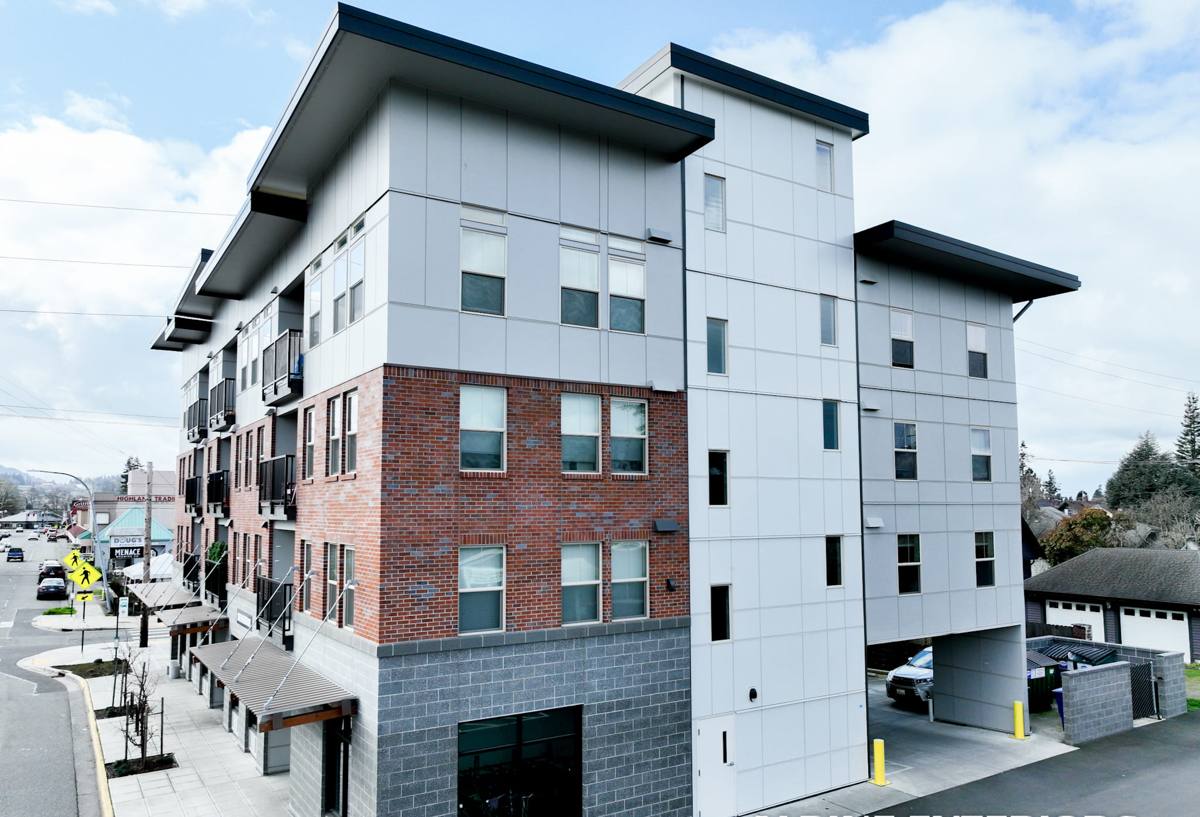
What Custer Homes Actually Need From Their Siding
Salt Air and Metal Fasteners
Airborne salt accelerates corrosion on anything metal — fasteners, flashing, trim screws. Over years, corroding fasteners loosen their grip, siding panels shift slightly, and water finds a path behind the cladding. The fix isn't complicated, it's just often skipped: corrosion-resistant fasteners rated for the exposure, and flashing details that don't rely on caulk alone to stay watertight.
Driving Rain and Water Management
Wind-driven rain doesn't fall straight down — it gets pushed sideways and upward under laps, around window and door trim, and into any gap left by a rushed install. Fiber cement itself resists water damage well when it's properly primed and finished, but the water management behind it — house wrap, flashing, weep paths, proper clearances — is what actually keeps a wall assembly dry over the life of the siding.
Moss Season
Shaded, north-facing walls and anything near mature trees stay damp for extended stretches through fall, winter, and spring. Moss and algae don't damage fiber cement the way they can rot wood, but they hold moisture against the surface and, left unaddressed, will stain a ColorPlus finish over time. Siding that's installed with proper clearance from grade, decks, and roof lines sheds water faster and gives moss less to hold onto.
Why We Only Install James Hardie
We install James Hardie fiber cement exclusively — no vinyl, no LP SmartSide, no Cemplank, no Allura, no primed wood. That's not a marketing position, it's a standard we've settled on after weighing how each product actually performs against Whatcom County weather over the long haul. Hardie's fiber cement is non-combustible, engineered specifically for climates like ours (their HZ5 product line is formulated for the Pacific Northwest's moisture and moderate freeze-thaw pattern), and finished at the factory with ColorPlus technology — a baked-on finish that holds color and resists fading and moisture far better than field-applied paint on other substrates. It also carries a strong, transferable warranty, which matters more in a climate that never really lets a house dry out.
What a Correct Fiber Cement Installation Involves
The material is only half the equation. A James Hardie install is only as good as the details behind it, and in Custer's climate those details are what separate siding that lasts thirty years from siding that starts showing problems in five.
- Weather-resistant barrier installed and lapped correctly, with all penetrations sealed
- Rain screen or proper drainage gap where the wall assembly calls for it
- Corrosion-resistant, correctly spaced fasteners driven to Hardie's specification — not overdriven, not underdriven
- Flashing at every window, door, and roofline intersection, not caulk used as a substitute for flashing
- Minimum clearance maintained between the siding's bottom edge and grade, decks, patios, and roof surfaces
- Proper joint treatment and caulking at butt joints and trim, using products compatible with ColorPlus finishes
- Panels and planks cut and installed per Hardie's fastening and gapping guidelines, including expansion allowance
Skip any one of these and the siding can still look fine going up. The problems show up later, usually behind the wall where you can't see them until they're expensive.
Our Process on a Custer Project
Assessment and Existing Damage Check
We start by walking the exterior and checking not just the current siding, but what's underneath it — sheathing condition, existing water staining, trim rot around windows and doors. Any hidden damage gets addressed before new siding goes up, not covered over.
Tear-Off and Prep
Old siding, trim, and any compromised sheathing or house wrap come off. This is also when we correct problem details from the original build — poor flashing, missing kick-out flashing at roof-wall intersections, insufficient clearance at grade — that are common culprits behind moisture problems in older Whatcom County homes.
Water Management Layer
A new weather-resistant barrier goes on with correct lapping and sealed penetrations, along with flashing at every opening and transition. This layer does the real work of keeping water out; the siding on top of it is the second line of defense, not the only one.
Installation
James Hardie panels or lap siding go on per manufacturer spec — correct fastener type, spacing, and clearances, with attention to the details that matter most in salt air and driving rain.
Finish and Walkthrough
Trim, caulking, and touch-up finish out the job, and we walk the property with the homeowner before calling it done.
Choosing the Right Hardie Product for This Climate
James Hardie offers a few different plank and panel profiles, and the right choice depends on the home's style and exposure as much as budget. A quick comparison of what typically factors into that decision:
| Factor | HardiePlank Lap Siding | HardiePanel Vertical Siding |
|---|---|---|
| Look | Traditional horizontal lap, most common on Whatcom County homes | Board-and-batten or modern vertical look |
| Best use | Full exterior or primary field siding | Accent walls, gables, or full modern-style exteriors |
| Finish options | ColorPlus factory finish or primed for field paint | ColorPlus factory finish or primed for field paint |
| Exposure handling | Overlapping laps naturally shed driving rain | Relies on properly detailed battens and flashing to shed water |
For most Custer homes, we recommend the ColorPlus factory finish over field-applied paint. It's baked on under controlled conditions, holds up better against UV and moisture cycling, and doesn't need repainting on the same schedule a field-applied coat does — a real advantage when a house sits under gray, damp conditions most of the year.
What Fiber Cement Siding Typically Costs
Every project is different, but the main cost drivers on a Custer siding job tend to be the same handful of factors:
| Cost Factor | Why It Matters |
|---|---|
| Home size and complexity | More corners, gables, and dormers mean more cutting, flashing, and labor time |
| Existing damage | Rotted sheathing or trim found during tear-off adds repair scope before new siding goes on |
| Siding profile | Lap vs. panel vs. shingle-style products carry different material and labor costs |
| Finish choice | ColorPlus factory finish costs more upfront than primed siding but saves on repainting |
| Trim and detail work | Window/door trim, fascia, and accent details add labor beyond the field siding itself |
We give a specific number after seeing the house in person — broad estimates over the phone rarely hold up once we're looking at the actual condition of the walls.
Maintaining Fiber Cement Siding in a Damp Climate
James Hardie siding is low-maintenance, not no-maintenance. A little attention keeps it performing the way it's designed to over the decades of a Custer winter-and-moss cycle:
- Rinse the siding down once or twice a year to keep salt residue and grime from building up, especially on walls facing prevailing wind
- Keep gutters clear so overflow doesn't run down the siding face repeatedly
- Trim back vegetation and tree limbs that keep a wall section shaded and damp
- Check caulking at trim and joints every couple of years and re-caulk where it's cracked or pulled away
- Address any moss or algae staining early with a gentle wash rather than letting it set in
- Have flashing and trim inspected periodically, particularly after major wind storms
Why Hire a Crew That Already Works in Custer
Installation quality is what determines whether James Hardie siding performs the way it's rated to. A crew that already works this part of Whatcom County has seen how these homes actually weather — where moss builds up first, which wall orientations take the worst of the driving rain, what the older housing stock in the area tends to have hidden behind its original siding. That's the difference between a install that just goes up correctly on day one and one that's built to hold up through another twenty or thirty Custer winters.
If you're weighing a siding replacement or new construction project in Custer, we're happy to take a look and walk you through what your specific home needs — no pressure, no obligation. Reach out for a free estimate using the form below.