 Blaine Siding
 Dakota Creek's Climate Is Harder on Siding Than It Looks
Homes along the Dakota Creek corridor sit close enough to Drayton Harbor and the open water of Semiahmoo Bay that the air itself is part of the maintenance problem. Salt-laden marine air moves inland on the prevailing wind, settles on exterior walls, and works on anything it touches — paint, caulk, fasteners, and the siding material underneath. Add Whatcom County's driving winter rain, which comes in sideways more often than straight down here, and you have moisture finding every gap, lap joint, and nail hole that isn't sealed correctly.
Then there's moss. Blaine's damp, mild winters and shaded lots along the creek create a moss season that can run half the year. Moss holds water against a wall long after a storm has passed, and on the wrong siding material that trapped moisture is what starts rot, delamination, or paint failure. None of this is unusual for this part of Whatcom County — it's simply what siding here has to be built and installed to handle.
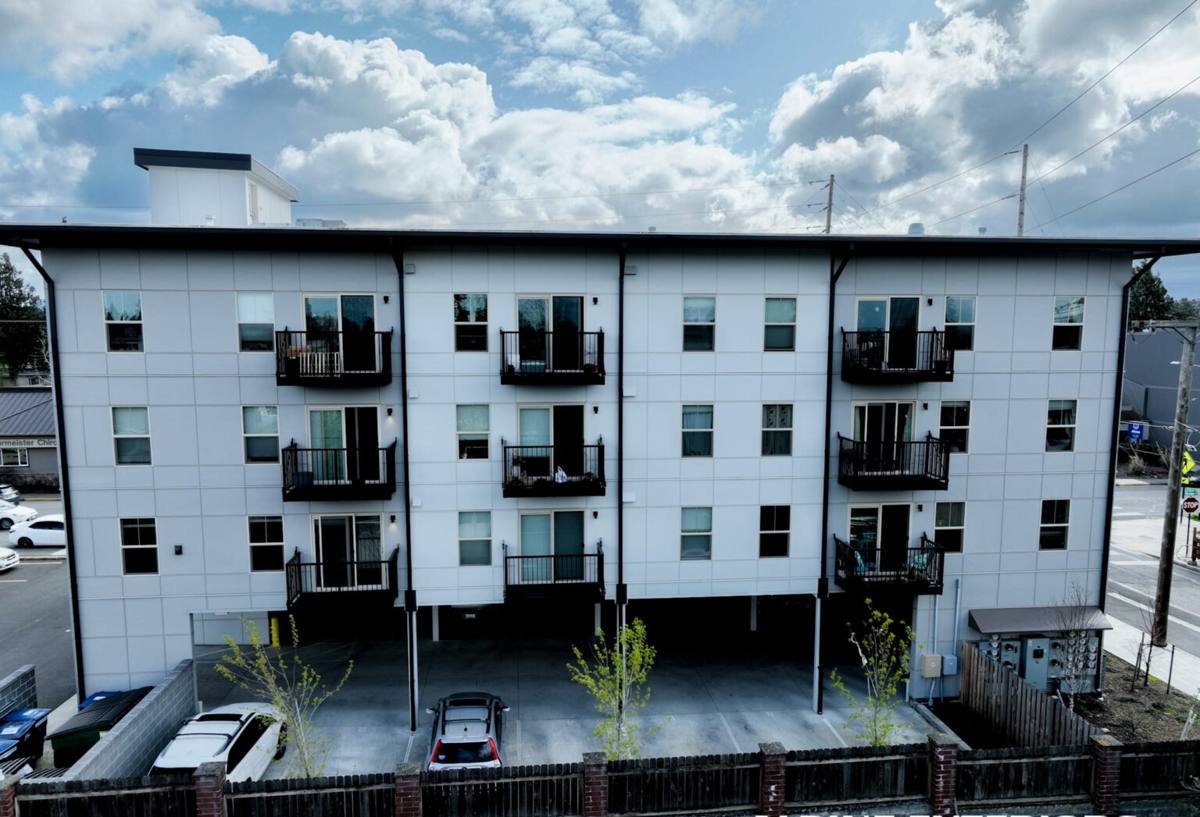
Why We Only Install James Hardie Fiber Cement Siding
We install one siding system on Dakota Creek homes: James Hardie fiber cement. We don't carry vinyl, LP SmartSide, primed wood, cedar, or off-brand fiber cement lines like Cemplank or Allura. That's not a marketing position — it's a standard we hold because of what we've seen happen to the alternatives in exactly this kind of coastal, wet, moss-prone environment.
What Hardie gets right for this climate
- Fiber cement is non-combustible and doesn't feed a fire, unlike wood-based products.
- It's engineered from cement, sand, and cellulose fiber — it doesn't absorb and swell with moisture the way wood-based siding can, and it holds up better than bare metal trims tend to in salt air.
- The ColorPlus factory finish is baked on and warranted against fading and peeling, which matters when your siding faces UV, salt spray, and rain year-round instead of a mild inland climate.
- Hardie's HZ product lines are engineered by climate zone, and the HZ5 line specified for the Pacific Northwest is built for the freeze-thaw and moisture cycling this area sees.
Why we won't install the alternatives here
Vinyl siding can work loose or warp under sustained wind-driven rain and temperature swings, and its seams give salt-air moisture an easy path behind the cladding. LP SmartSide and primed wood are wood-based products — even with good paint and flashing, wood-based siding is more sensitive to sustained moisture exposure than fiber cement, and a moss-heavy lot doesn't give siding much chance to dry out between rain events. These aren't defects so much as trade-offs, and in this specific climate the trade-offs land in Hardie's favor consistently enough that we've stopped offering the alternatives at all.
What Correct Fiber Cement Installation Actually Involves
Fiber cement siding fails early almost exclusively because of installation mistakes, not the material itself. The product is only as good as the flashing, fastening, and clearances behind it. On a Dakota Creek property, where wind-driven rain and standing moisture are the norm rather than the exception, these details matter more than they would on a dry inland lot.
The details we treat as non-negotiable
- Weather-resistive barrier and flashing first. House wrap, window and door flashing, and kick-out flashing at roof-to-wall intersections all go in before a single board is hung. This is the layer that actually keeps water out of the wall assembly.
- Correct fastener type and placement. Hardie specifies fastener size, spacing, and embedment depth by product and climate zone. Corrosion-resistant fasteners matter more here than in a dry climate — salt air will find the weak spot in cheap hardware.
- Proper clearances. Siding needs a minimum gap above roofing, decks, and grade, and a gap where it meets trim, so water has somewhere to go instead of wicking upward into the board.
- Correct joint treatment. Butt joints get flashed or backed per Hardie's instructions, not just caulked and hoped for.
- Sealed cut edges. Every field-cut edge gets primed and sealed. An unsealed cut edge is the single most common place we find early moisture damage on fiber cement that was installed by someone unfamiliar with the product.
None of this is exotic. It's simply following Hardie's installation instructions to the letter, on every board, every time — which is easier to promise than to actually do on a full re-side.
What We See Go Wrong on Older Siding Near the Creek
When we're called out to look at failing siding in this area, the pattern repeats. It's rarely one dramatic problem — it's a handful of small ones compounding over years in a damp, salt-exposed environment.
| What we find | Why it happens here |
|---|---|
| Persistent moss and algae staining on north- and shade-facing walls | The long moss season plus tree cover common on creekside and wooded lots keeps walls damp longer between dry spells |
| Peeling or bubbling paint on wood-based siding | Wood-based products absorb moisture at joints and end cuts faster than they can dry in this climate |
| Rusted or streaking fasteners | Standard fasteners weren't rated for the salt-air exposure this close to the water |
| Soft or delaminating panel edges | Field cuts were never sealed, so moisture entered the exposed core over repeated rain cycles |
| Caulk failure at trim and joints | Wrong caulk type or joints caulked instead of properly flashed, so movement and moisture broke the seal early |
Most of these are installation and maintenance issues, not proof that siding "doesn't work" in this area — they're proof that the wrong material or the wrong installation shortcuts show up faster here than they would somewhere drier.
Signs a Dakota Creek Home Needs New Siding
- Soft spots when you press on the siding, especially near the bottom courses or around window trim
- Paint that keeps failing in the same spots within a year or two of repainting
- Persistent moss growth that comes back within weeks of cleaning
- Visible gaps, warping, or boards pulling away from the wall
- Rising heating bills that point to a wall assembly no longer keeping moisture and air where they belong
- Fastener heads showing rust streaks running down the face of the siding
Our Process for a Dakota Creek Project
- On-site walkthrough. We look at the whole exterior — siding, trim, flashing, and any water damage already present — not just the wall you called about.
- Honest scope and estimate. We tell you what's cosmetic, what's structural, and what can wait, with a written estimate that separates siding, trim, and any carpentry repair.
- Moisture and sheathing check. Before new siding goes up, we confirm the wall behind the old siding is dry and sound. Anything rotted gets repaired, not covered over.
- Weather barrier and flashing installed to spec. This step determines whether the siding lasts fifteen years or fifty, and we don't shortcut it regardless of schedule pressure.
- James Hardie siding installed per manufacturer instructions. Correct fastener schedule, clearances, joint treatment, and sealed cut edges throughout.
- Final walkthrough. We go over the finished work with you before calling the job done.
What Drives Cost on a Dakota Creek Siding Job
| Cost factor | Why it matters here |
|---|---|
| Existing wall condition | Homes with long-term moisture exposure near the creek or shoreline more often need sheathing or framing repair before new siding goes on |
| House size and complexity | Dormers, multiple gables, and trim-heavy elevations take more labor and more flashing detail |
| Siding profile and finish | Lap siding, panel systems, and trim board combinations price differently, and the factory ColorPlus finish avoids an on-site paint cost |
| Access and site conditions | Tight lots, slopes, and mature landscaping near the creek can add setup and staging time |
| Tear-off and disposal | Full removal of old siding versus a simpler recover situation changes labor and disposal costs |
We don't publish a flat per-square-foot number because these factors genuinely move the price from one house to the next. What we will do is walk your specific property and give you a real number in writing, broken down by scope.
Why It Matters That We Already Work This Area
Siding installation isn't identical everywhere in Whatcom County, and a crew that mostly works drier, inland neighborhoods can miss details that matter near the water. Knowing how far moss reaches up a north wall by mid-winter, how hard wind-driven rain hits an unprotected west elevation, and which flashing details actually hold up near Drayton Harbor comes from doing this work here repeatedly — not from a general contracting background applied to a new zip code.
We also know the practical side: permitting expectations in Blaine, realistic weather windows for a re-side given the local rain pattern, and how to sequence a job so open wall sections aren't left exposed longer than necessary during a wet stretch. That local familiarity shows up in fewer surprises and a job built for the conditions your house actually faces, not generic conditions.
Keeping New Siding Looking Right Near the Creek
Correctly installed James Hardie siding is low-maintenance, not zero-maintenance, especially in a moss-prone, salt-air environment. A little seasonal attention keeps it performing the way it's supposed to.
- Rinse siding annually to clear salt residue and slow moss regrowth, especially on shaded or north-facing walls
- Trim back vegetation and tree cover that keeps walls damp longer than necessary
- Check caulking at trim and penetrations every couple of years and touch up before it fails, not after
- Keep gutters clear so overflow doesn't run down the siding face during heavy rain
- Address any impact damage or exposed cut edges promptly rather than letting moisture get a foothold
If you're weighing a full re-side or just want a second opinion on siding that's starting to show its age, we're happy to take a look. The estimate is free, there's no pressure attached to it, and you'll get a straight answer about what your home actually needs.