 Blaine Siding
 Asphalt Shingle Roofing Built for Everson's Whatcom County Climate
Everson sits inland along the Nooksack River valley, but it shares the same wet, moss-friendly weather pattern as the rest of Whatcom County. Long stretches of low cloud, steady drizzle, and short winter days keep roofs damp for weeks at a time. An asphalt shingle roof that's installed correctly for this climate can hold up for decades. One that's installed with shortcuts — wrong nailing pattern, no ice-and-water barrier, poor attic ventilation — will show problems within a few winters, even if the shingles themselves are a good product.
This page covers what an asphalt shingle roof needs to hold up on an Everson home, what a correct installation actually involves, and how we approach the job from estimate to cleanup.
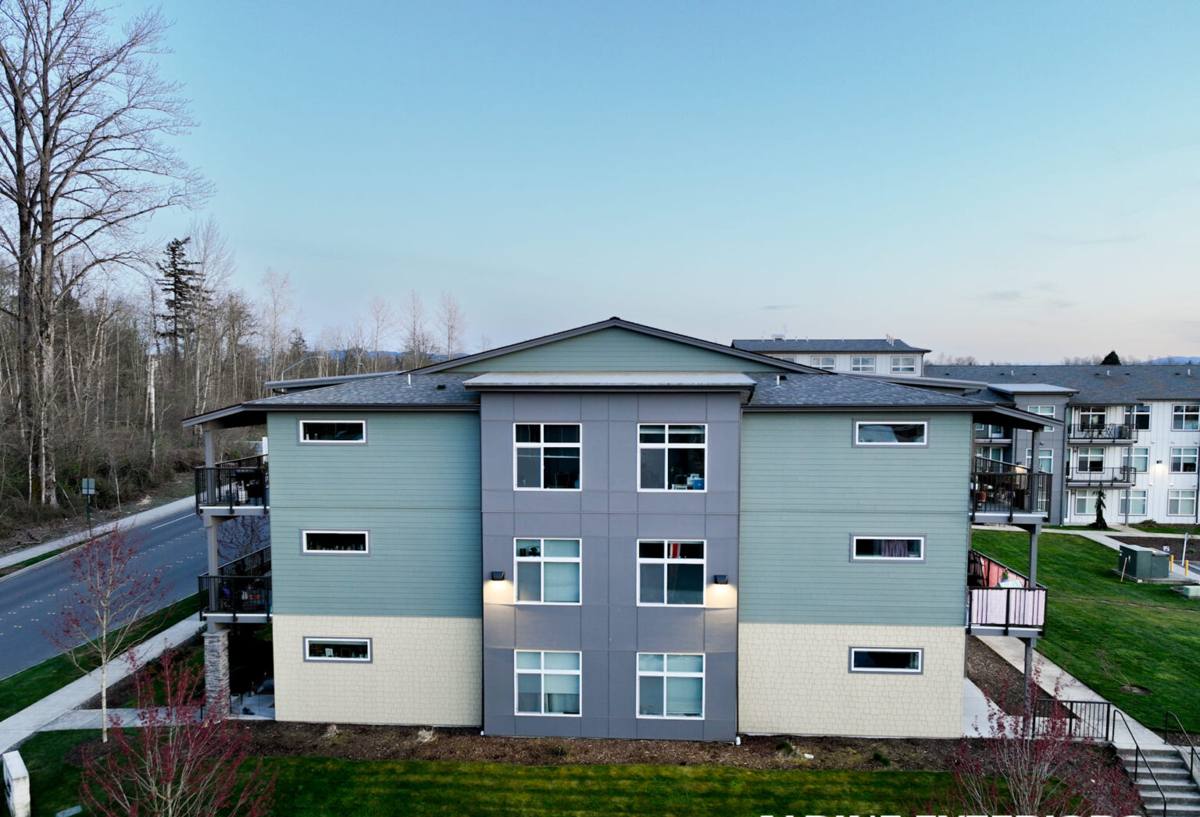
What Everson Roofs Are Up Against
Everson isn't right on the water, so it doesn't take the same direct salt spray that coastal Blaine properties see. But the moisture load is just as real. The Nooksack valley traps fog and humidity, rainfall is frequent and often comes in slow, soaking systems rather than short storms, and shingles rarely get a long dry stretch to fully release moisture. That combination is what actually wears out a roof — not one big storm, but months of low-grade dampness working into every gap in the system.
Moss and Algae
Shaded slopes, north-facing roof planes, and roofs under overhanging trees are the first to show moss and algae streaking. Moss holds water against the shingle surface, works into the granule layer, and over time can lift shingle edges, which is exactly where wind and rain find their way underneath.
Driving Rain and Wind
Whatcom County storms regularly bring rain sideways, not straight down. That puts real pressure on flashing details, ridge caps, and shingle edges — the places where a rushed install will leak first. Wind-driven rain doesn't need a big gap to get in; it just needs one.
Temperature Swings
Freeze-thaw cycles are milder here than in the mountains, but they still happen. Repeated freezing and thawing of trapped moisture in an underlayment or deck that isn't properly protected will accelerate rot and shingle failure over time.
What a Correct Asphalt Shingle Install Actually Involves
Asphalt shingles look like a simple product, and the material itself is forgiving. The system underneath it is where roofs succeed or fail. A correct install includes:
Tear-Off and Deck Inspection
We remove the old roofing down to the deck rather than layering over it. That's the only way to actually see the condition of the sheathing — soft spots, old leaks, or rot don't show up until the shingles are off. Layering over a problem just hides it under a new roof.
Ice-and-Water Barrier
Self-adhering waterproof membrane goes along eaves, valleys, and around penetrations like vents and chimneys — the spots most exposed to wind-driven rain and the most likely places for water to back up. This is standard practice in our climate, not an upgrade.
Underlayment
A synthetic underlayment covers the rest of the deck as a second line of defense beneath the shingles, so the roof isn't relying on the shingle layer alone to keep water out.
Ventilation
Balanced intake and exhaust ventilation keeps the attic close to outdoor temperature and lets moisture escape instead of condensing on the underside of the deck. Poor ventilation is one of the most common reasons a shingle roof fails early in this region — it's rarely the shingle's fault.
Flashing and Detail Work
Step flashing at walls, proper valley treatment, and correctly lapped flashing around chimneys and vents matter more to leak prevention than the shingle brand. This is the part of the job that separates a roof that lasts from one that doesn't, and it's almost entirely dependent on the crew doing the work, not the materials.
Choosing the Right Shingle for This Climate
Not every asphalt shingle product performs the same way here. The table below compares the common options we install.
| Shingle Type | Typical Lifespan | Wind Rating | Notes for This Climate |
|---|---|---|---|
| 3-Tab | 15-20 years | Lower | Budget option; flatter profile sheds moss less easily than laminate styles |
| Architectural / Laminate | 25-30+ years | Higher | Most common choice we install; thicker profile and better wind performance |
| Algae-Resistant (AR) Laminate | 25-30+ years | Higher | Copper-infused granules slow algae and moss growth on shaded roof planes |
| Impact-Resistant (Class 4) | 25-30+ years | Higher | Worth discussing on roofs with heavy tree cover or debris exposure |
For most Everson homes, we recommend an algae-resistant laminate shingle, especially on shaded or north-facing slopes. It costs a bit more up front but reduces how often the roof needs cleaning and slows the moss cycle that shortens roof life in this climate.
What Affects Your Estimate
| Factor | Why It Matters |
|---|---|
| Roof pitch and access | Steeper or harder-to-access roofs take more time and safety equipment |
| Number of layers to remove | Tear-off of multiple old layers adds labor and disposal cost |
| Deck condition | Rotted or soft sheathing needs replacement before new shingles go down |
| Valleys, chimneys, and penetrations | More detail work means more flashing and labor time |
| Ventilation upgrades | Adding or correcting intake/exhaust vents if the current setup is inadequate |
| Shingle tier selected | 3-tab, standard laminate, and algae-resistant/impact-resistant lines carry different material costs |
We walk every roof before quoting so the estimate reflects what's actually up there, not a guess based on square footage alone.
Our Process, Start to Finish
- Roof inspection and estimate. We get on the roof, check the deck, flashing, ventilation, and note anything unusual before quoting.
- Written scope and timeline. You get a clear breakdown of materials, labor, and what to expect on install day.
- Tear-off and deck check. Old roofing comes off, sheathing is inspected, and any damaged sections are replaced.
- Ice-and-water barrier and underlayment. Installed at eaves, valleys, and penetrations, then across the full deck.
- Shingle installation and flashing. Shingles, ridge caps, and all flashing details go in to manufacturer and code specification.
- Ventilation check. We confirm intake and exhaust airflow is balanced before we call the job done.
- Cleanup and walkthrough. Site is cleared of debris and nails, and we walk the finished roof with you.
Repair or Replace? Signs to Watch For
Not every roof problem means a full replacement. Here's what typically points toward repair versus replacement:
- Isolated missing or cracked shingles after a storm — usually a repair
- Granules collecting heavily in gutters — a sign the shingles are aging and worth a full inspection
- Moss buildup on part of the roof — often manageable with cleaning and targeted repair if caught early
- Curling or cupping shingles across large sections — usually points to replacement
- Soft spots or sagging when walked on — deck damage, needs immediate attention
- Daylight visible through the attic roof deck — needs prompt repair
- Roof is 20+ years old with no ventilation upgrades — worth a full evaluation before investing in more repairs
Maintenance That Extends Roof Life Here
Whatcom County's moss season is long, and a little upkeep goes a long way. Keeping gutters clear so water doesn't back up under the shingle edge, trimming back branches that shade and drop debris on the roof, and having moss professionally removed rather than pressure-washed all help protect the investment. Pressure washing strips granules and shortens shingle life — it's not a shortcut we recommend, even though it looks like a quick fix.
Why Hire a Crew That Already Works in Everson
A contractor who works this part of Whatcom County regularly already knows how the local weather behaves against a roof — where moss tends to establish first, how much wind-driven rain a north slope actually takes, and what ventilation setups hold up over a full wet season here. That's different from a crew running a one-size-fits-all install that might be fine in a drier climate but leaves gaps in ours. We also stand behind the work with a crew that isn't disappearing after the job — which matters when a roof's real test is its fifth or tenth winter, not its first.
Get a Free, No-Pressure Estimate
If your Everson roof is showing its age, dealing with moss, or you're planning ahead before a leak forces the issue, we're happy to take a look. The estimate is free, there's no pressure, and you'll get a straight answer about whether you need a repair or a replacement — use the form below to get started.