 Blaine Siding
 Why Blaine Harbor Homes Are Hard on Siding
Homes around Blaine Harbor sit right where marine weather meets the rest of Whatcom County. Salt-laden air off the water settles on exterior surfaces year-round, wind-driven rain comes in sideways during winter storms, and the long stretch of mild, wet months from fall through spring keeps north-facing walls and shaded siding damp for weeks at a time. That combination is exactly what wears out the wrong siding material fastest: salt accelerates corrosion of fasteners and trim, standing moisture feeds moss and mildew, and repeated wet-dry cycling stresses caulk joints and paint film.
None of that is unique to one street or subdivision — it's the baseline climate for any home near Drayton Harbor and Semiahmoo Bay. What changes house to house is exposure: a home facing open water or prevailing wind takes more punishment than one tucked behind a hill or a windbreak of trees. A siding job done right accounts for that exposure specifically, not just the general Pacific Northwest forecast.
Why We Install Only James Hardie Here
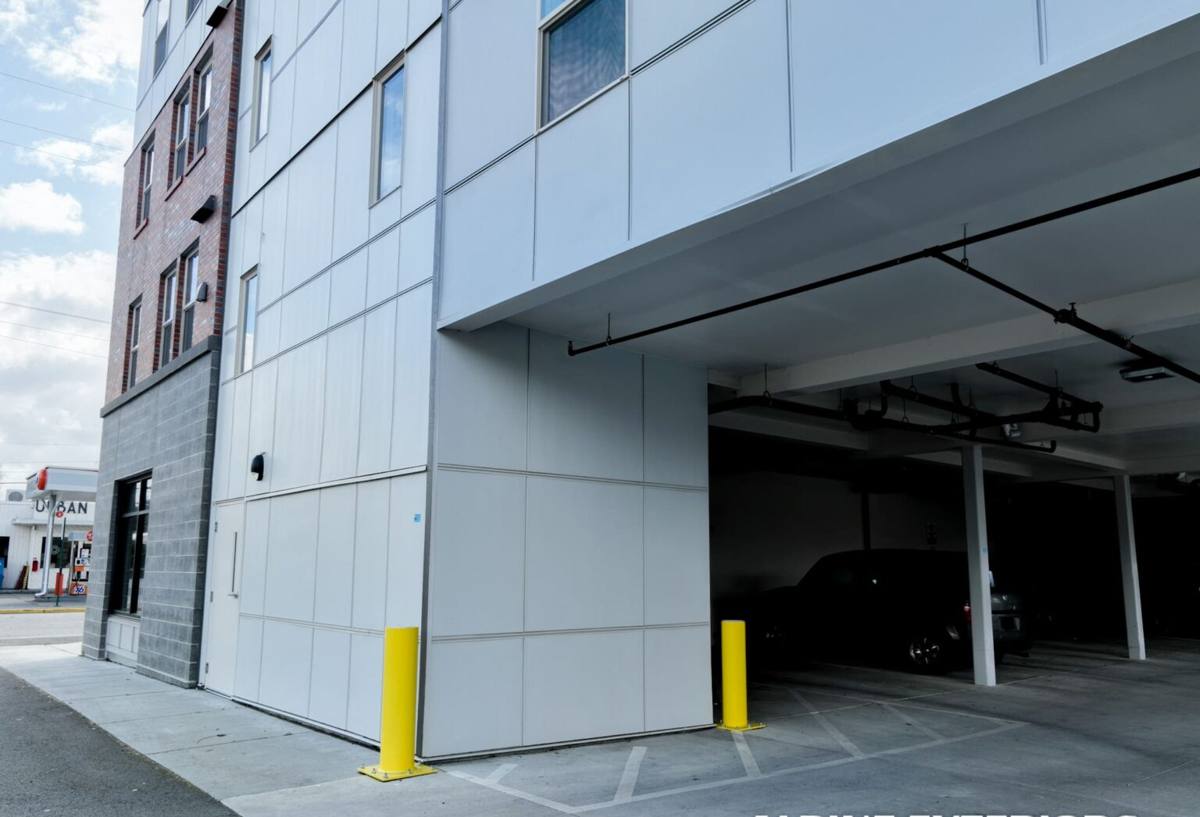
We standardized on James Hardie fiber cement siding for every home we work on, and a harbor-adjacent climate like Blaine's is a big part of why. Fiber cement is made from cement, sand, and cellulose fiber — it doesn't have the wood content that lets moss, algae, and rot take hold the way it can on cedar or primed wood siding, and it doesn't expand and contract with temperature the way vinyl does, which matters when salt air and temperature swings are both working on a wall at once. It's also non-combustible, which is a real consideration for any coastal or wooded property.
Hardie's factory-applied ColorPlus finish is baked on under controlled conditions rather than brushed or sprayed on-site, and it carries its own finish warranty separate from the substrate warranty. That matters in a salt-air environment because field-applied paint is the first thing to fail under repeated wet-dry, salt-exposure cycling — chalking, fading unevenly, and needing recoating well ahead of schedule. A factory finish that's engineered to resist UV and moisture intrusion buys years before anyone needs to think about repainting.
The HZ Formulation Difference
James Hardie manufactures its siding in different formulations for different climate zones. Northern, wetter climates — the kind Whatcom County and the rest of the Pacific Northwest fall into — get the HZ10 formulation, engineered specifically for regions with more moisture exposure and freeze-thaw cycling than the standard HZ5 product used in milder, drier parts of the country. Installing the climate-matched formulation isn't a marketing detail; it's the difference between siding engineered for your actual weather and siding engineered for someone else's.
What "Correct" Looks Like on a Harbor-Facing Home
Fiber cement siding fails early almost exclusively because of installation mistakes, not the material itself. On a home exposed to driving rain and salt air, the details that get skipped on a rushed job are exactly the ones that matter most:
Drainage and Moisture Management
Every Hardie installation should include a drainage plane behind the siding — a weather-resistive barrier, and in most cases a rain screen gap that lets any moisture that gets behind the cladding drain and dry out instead of sitting against the sheathing. On a wind-driven-rain site, skipping this step is the single most common reason siding jobs fail early, regardless of what material is on the outside.
Flashing at Every Penetration
Windows, doors, hose bibs, vents, and any place two roof planes or wall planes meet need properly lapped flashing so water is directed out and down, never behind the siding. Caulk is a backup, not a substitute for flashing — caulk joints are the first thing to open up under repeated wet-dry cycling near the water.
Fasteners and Clearances
Hardie specifies fastener type, spacing, and embedment depth, and those specs get more important, not less, in a coastal wind zone. Corrosion-resistant fasteners matter here specifically because of the salt content in the air. Manufacturer-required clearances from grade, roof lines, and decks also need to be held so the bottom edge of the siding isn't sitting in a moisture trap.
Our Process on a Blaine Harbor Project
We approach every project here the same structured way:
- Assessment: we look at the home's specific exposure — prevailing wind direction, proximity to open water, existing moisture damage, and how the current siding has actually held up — not just its age.
- Substrate check: once old siding comes off, we inspect the sheathing and framing underneath for hidden rot or moisture damage before anything new goes up. This is the point where problems that have been building for years usually surface.
- Install to spec: weather-resistive barrier, rain screen where appropriate, correct flashing at every penetration, and fastener placement per Hardie's published specifications — not shortcuts learned from a different siding product.
- Finish and inspection: trim, caulking at the joints that require it, and a final walk-through before we call the job done.
Choosing a Siding Profile for a Harbor Setting
James Hardie offers several profiles, and the right one is partly aesthetic and partly practical:
- Lap siding (HardiePlank): the most common choice, available in different exposure widths and textures; performs well on any elevation, including ones taking direct weather.
- Shingle siding (HardieShingle): gives a traditional coastal look without the maintenance burden of real cedar shingles, which is often what homeowners near the water are trying to move away from.
- Panel siding (HardiePanel): used for a more modern look or in combination with lap siding as an accent; needs the same attention to joint treatment and flashing as any other profile.
None of these profiles is inherently better for salt air or driving rain — the installation details described above matter more than which profile you pick. The choice comes down to the look you want for the home.
Living With Hardie Siding Near the Water
Maintenance is lower than wood or vinyl, but "low-maintenance" isn't "no-maintenance," especially this close to the harbor:
- Rinse accumulated salt spray and grime off the siding periodically, particularly on elevations facing open water.
- Keep gutters and downspouts clear so water isn't overflowing onto siding below — a common contributor to moss and staining during the wet months.
- Trim back vegetation and tree cover that keeps a wall shaded and damp longer than the rest of the house, which is where moss gets its foothold first.
- Inspect caulk joints around windows and trim every year or two and have any that have opened up resealed before winter's driving rain arrives.
Because the ColorPlus finish is factory-applied and warrantied, you're not on a repainting schedule the way you would be with field-painted wood or fiber cement — but a periodic rinse-down and a quick inspection go a long way toward getting the full service life out of the material.
Cost Factors for a Blaine Harbor Hardie Project
| Factor | Why It Affects Cost |
|---|---|
| Home size and elevation count | More square footage and more distinct wall planes mean more material and labor |
| Removal of existing siding | Tear-off, disposal, and any sheathing repair found underneath add time before install even starts |
| Exposure and wind zone | Homes facing open water or prevailing wind may need additional flashing detail and fastening attention |
| Profile and trim complexity | Shingle profiles, mitered corners, and custom trim take more labor than straight lap siding with simple trim |
| Color and finish | Standard ColorPlus colors versus custom orders can affect lead time and price |
We give exact numbers only after seeing the specific home — anyone quoting a firm price without an on-site look isn't accounting for what's actually driving the cost.
Why Local Experience in Blaine Harbor Matters
A crew that already works this area understands things a visiting contractor has to learn on the job: which elevations on a harbor-facing home typically take the worst weather, how moss season here actually behaves compared to drier inland parts of Whatcom County, and what permitting and inspection expectations look like with the City of Blaine. That familiarity shows up in fewer surprises during the project and a finished job that's built for the conditions it will actually face, not a generic install pulled from a manual.
What to Expect From a Contractor Working Near the Harbor
- A written scope that specifies the Hardie product line, profile, and HZ formulation being used
- A clear plan for the drainage plane and flashing details, not just "we'll install the siding"
- Corrosion-resistant fasteners appropriate for a coastal environment
- Proper clearances from grade, roofline, and any decks or patios
- Manufacturer warranty registration completed after installation
- A straightforward answer when you ask how they handle wind-exposed elevations differently
If you own a home near Blaine Harbor and your siding is showing moss, staining, or open joints, we're happy to take a look and walk you through what correct James Hardie installation would involve for your specific home. Reach out for a free, no-pressure estimate using the form below.