 Blaine Siding
 Why Sandy Point Roofs Take a Harder Beating
Sandy Point sits right on the water, and that changes what a roof has to survive compared to a house a few miles inland in Blaine. Salt-laden air off the water works on exposed metal year-round — nails, flashing, vent caps, and gutter hardware corrode faster here than they would in a more sheltered part of Whatcom County. Add in driving rain that comes sideways off the water during winter storms, and you get wind-driven moisture finding its way under shingles, around chimneys, and through any flashing detail that wasn't sealed correctly the first time.
Then there's moss. Western Whatcom County's damp, mild climate keeps roofs wet for long stretches of the year, and Sandy Point's tree cover and marine humidity make it worse. Moss doesn't just look bad — its root structure lifts shingle edges, holds moisture against the roof deck, and shortens the life of almost any roofing material if it's left unchecked season after season. A roof built or replaced without this climate in mind will show problems years before it should.
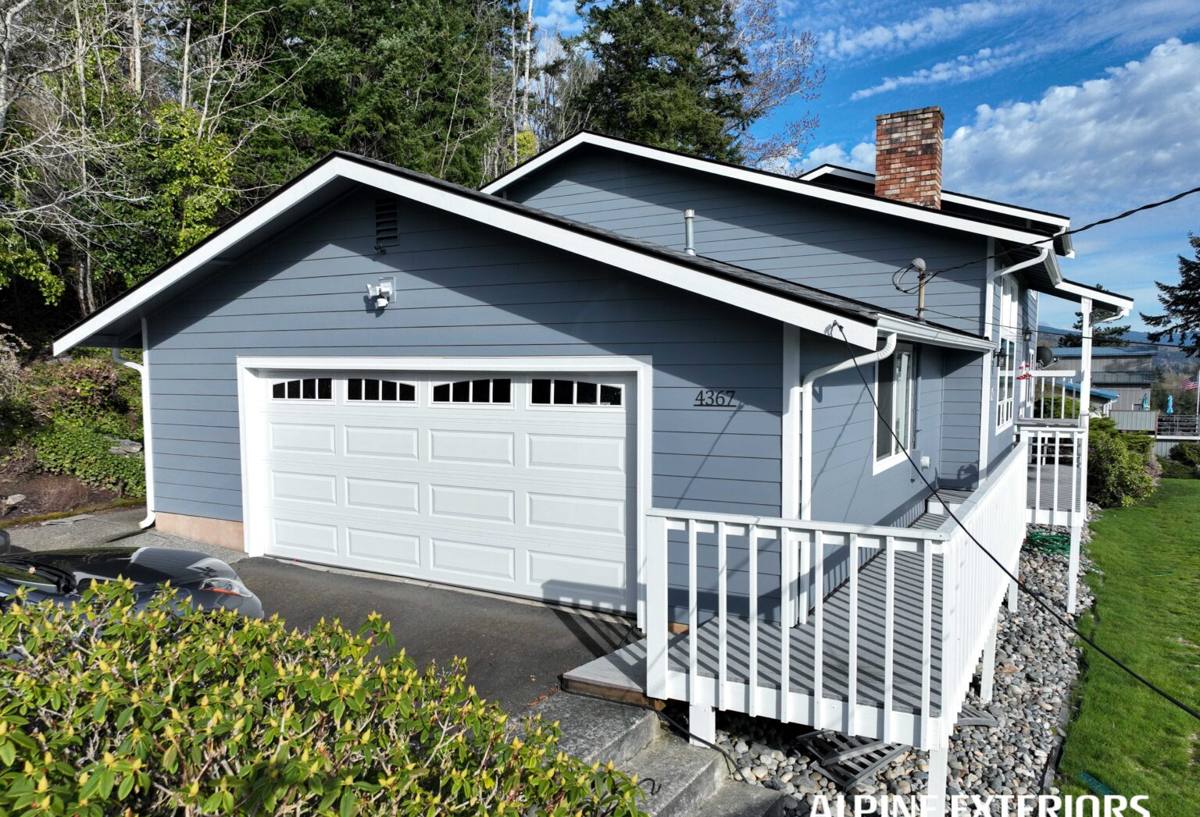
Signs a Sandy Point Roof Is Due for Replacement
Most roofs don't fail all at once — they show warning signs first. If you're seeing more than one or two of these, it's worth getting a straight answer on whether repair or full replacement makes sense:
- Granules collecting in gutters or at downspout outlets
- Shingles that are curling, cupping, or cracking at the edges
- Moss or dark algae streaking that keeps coming back after cleaning
- Soft spots or sagging visible along the roofline
- Daylight visible through the roof boards from inside the attic
- Water stains on ceilings or in the attic after wind-driven rain
- Flashing around chimneys, skylights, or vent pipes that's rusted, lifted, or missing sealant
- A roof that's 20+ years old and has never been fully replaced
Age Isn't the Whole Story
Age matters, but exposure matters more here. A 15-year-old roof on an unshaded, wind-exposed lot near the water can be in worse shape than a 20-year-old roof set back among trees, out of the direct salt spray and prevailing wind.
What a Correct Roof Replacement Actually Involves
A roof replacement done right is more than stripping old shingles and nailing down new ones. On a waterfront property, each step below matters more than it would on a typical inland home:
- Full tear-off — removing all old layers down to the deck, not roofing over existing material, so we can actually see what's underneath.
- Deck inspection and repair — replacing any plywood or sheathing that's soft, delaminated, or water-damaged before anything new goes down.
- Ice and water shield at vulnerable points — eaves, valleys, and around penetrations, where wind-driven rain is most likely to force its way in.
- Synthetic underlayment across the full deck as a second line of defense against wind-driven moisture.
- Corrosion-resistant flashing and fasteners — stainless or heavy-coated hardware around chimneys, skylights, and roof-to-wall transitions, chosen because standard hardware corrodes faster in salt air.
- Balanced ventilation — intake at the eaves and exhaust at the ridge, sized correctly so moisture doesn't get trapped in the attic and feed rot or moss growth from underneath.
- Final material installation — done to the manufacturer's nailing pattern and exposure specs, not shortcuts that void the warranty.
Skipping the deck inspection or the flashing upgrade is the most common way a "new roof" ends up leaking within a few years. On a Sandy Point property, those shortcuts cost more in the long run than doing it right the first time.
Choosing Roofing Materials for a Sandy Point Home
There's no single best roofing material for every house — it depends on your home's style, budget, and how much maintenance you want to take on. Here's how the common options hold up under salt air, wind, and moss pressure:
| Material | Salt Air / Corrosion | Moss Resistance | Maintenance |
|---|---|---|---|
| Asphalt composition shingle | Good with corrosion-resistant fasteners and flashing | Moderate — benefits from zinc or copper strips and regular cleaning | Low to moderate |
| Standing seam metal | Very good with marine-grade coatings and fasteners | Excellent — sheds moss more effectively than most materials | Low |
| Cedar shake | Fair — needs careful detailing and upkeep near salt spray | Poor without diligent upkeep; holds moisture longer | High |
| Synthetic or composite shake | Good | Good | Low to moderate |
Why We're Cautious About Cedar Shake Here
We generally steer waterfront clients away from untreated cedar shake unless they're committed to an active maintenance schedule. That's not a knock on the material when it's properly maintained — it's that wood's moisture-holding nature, combined with Sandy Point's damp, shaded pockets, is a tough combination, and the upkeep burden is real. Asphalt composition shingle with the right underlayment and flashing package remains the most common, cost-effective choice, and standing seam metal is worth the higher upfront cost for owners who want the lowest long-term maintenance.
Our Roof Replacement Process in Sandy Point
Working on a waterfront lot comes with logistics that don't apply everywhere — narrow access roads, limited staging space, and neighbors close by. Here's how we handle a Sandy Point job from first call to final walkthrough:
- On-site inspection — we walk the roof, check the attic, and look at flashing and ventilation before quoting anything.
- Written estimate — a clear scope and price, including material options, with no vague allowances.
- Scheduling around the weather window — we plan tear-off days around the forecast, since an open roof deck can't sit exposed to driving rain overnight.
- Property protection — tarps and plywood to protect siding, windows, and landscaping during tear-off and disposal.
- Tear-off, deck repair, and dry-in — completed the same day whenever the roof size allows, so the deck is never left uncovered.
- Full installation — flashing, ventilation, and final material installed to spec.
- Cleanup and magnetic nail sweep — of the yard, driveway, and any shared access paths on or near the property.
- Final walkthrough — going over the finished roof and paperwork together before we consider the job done.
Why a Crew That Already Works in Sandy Point Matters
A roofing crew that's replaced roofs in Sandy Point before already knows things a first-timer has to learn on your dime. They know which fastener and flashing upgrades are worth the extra cost this close to the water, how much moss growth is normal versus a sign of a ventilation problem, and how to read the marine weather patterns well enough to schedule tear-off days that don't leave a home exposed. They also know the practical realities of a waterfront lot — limited turnaround space for trailers and disposal, protecting shared access points, and being considerate in a close-knit neighborhood where everyone notices a work crew.
None of that is complicated, but it's the difference between a contractor guessing at what a Blaine waterfront home needs and one who's already made the adjustments on other roofs nearby.
Cost Factors for a Sandy Point Roof Replacement
Every roof is priced on its own specifics, but the same handful of factors drive most of the difference between bids:
| Factor | Why It Matters |
|---|---|
| Roof size and number of layers to remove | More square footage and tear-off layers mean more labor and disposal cost |
| Roof pitch and complexity | Steep or cut-up roofs with multiple valleys and dormers take longer and need more flashing detail |
| Material choice | Standing seam metal and cedar cost significantly more upfront than asphalt composition shingle |
| Deck condition | Rotted or soft sheathing found during tear-off adds repair cost that can't be known until the roof is opened up |
| Site access | Narrow waterfront roads and limited staging space can affect equipment and disposal placement |
| Ventilation upgrades | Adding proper intake and exhaust venting where none exists adds labor but pays off in roof lifespan |
As a broad guide, a full replacement on an average-size Sandy Point home with standard asphalt composition shingle typically falls somewhere in the $9,000 to $20,000 range, with standing seam metal running higher. The only number worth relying on is one based on an actual look at your roof.
Protecting Your New Roof Through the Next Moss Season
A correctly installed roof still needs a little seasonal attention in this climate, especially this close to the water. A few habits go a long way:
- Keep gutters and downspouts clear so water isn't backing up under the shingle edge
- Trim back overhanging branches to cut down on the shade and debris that feed moss growth
- Have moss removed gently before it spreads — avoid pressure-washing a roof, which strips granules and shortens shingle life
- Check flashing and sealant around chimneys and vents once a year, since salt air breaks these down faster than inland
- Have attic ventilation checked periodically to make sure moisture isn't building up from the inside
These are simple checks, but skipping them is how a well-installed roof ends up needing early repairs anyway.
If your Sandy Point roof is showing its age or you just want an honest read on its condition, we're glad to take a look. Fill out the form below for a free, no-pressure estimate — we'll tell you what we see, straight, whether that's a full replacement or just a repair.