 Blaine Siding
 Windows in Semiahmoo Face a Different Climate Than Most of Whatcom County
Semiahmoo sits out on the water, and that location changes what a window has to deal with day to day. Homes here get more salt-laden air, more wind-driven rain coming straight off the bay, and a longer moss and algae season than properties further inland in Whatcom County. A window that's perfectly fine on a sheltered lot a few miles away can fail years earlier out on the spit or along the shoreline, simply because it's being asked to do more work.
That doesn't mean Semiahmoo needs exotic products or gimmicks. It means the installation has to be done correctly, with materials and details chosen for a marine-influenced climate instead of a generic install job. That's the whole focus of this page: what window installation should look like for a Semiahmoo home, and what actually holds up once the weather starts working on it.
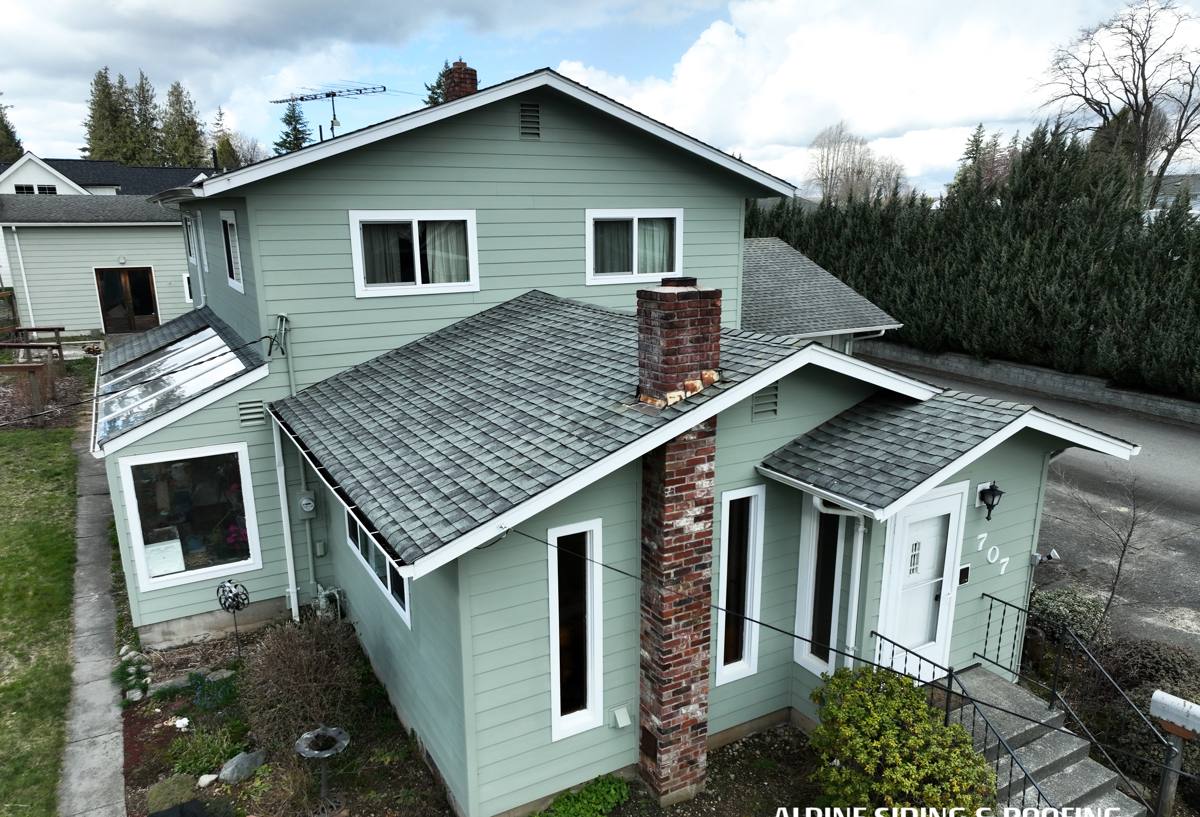
What Semiahmoo's Weather Does to a Window Over Time
Three things drive most of the window problems we see out this way, and they compound each other:
- Salt air accelerates corrosion on hardware, screen frames, and any exposed metal fasteners or cladding, especially closer to the water.
- Driving rain off the bay hits windows at an angle, not straight down, which means it finds any weak point in flashing, sealant, or trim that a vertical-rain climate might never expose.
- Extended moss and algae season keeps moisture sitting against sills, trim, and the wall assembly around a window longer than in drier parts of the state, which is exactly the condition that lets rot start.
Signs your windows are already losing the fight
- Fogging or a visible haze between the panes of a double-pane unit — the seal has failed
- Soft or discolored wood, or bubbling paint, on the interior or exterior sill and casing
- A noticeable draft or cold spot near the window frame, even with the window fully latched
- Hardware (locks, cranks, hinges) that's stiff, corroded, or difficult to operate
- Visible daylight or a gap where the frame meets the siding or trim
- Moss or dark staining building up on the sill or the trim below the window
Any one of these on its own might just mean a minor repair. Two or three together, especially on a window facing the water or prevailing weather, usually mean the unit and its installation are due for replacement rather than another patch.
What a Correct Window Installation Actually Involves
Window installation quality is decided almost entirely by what happens before the trim goes back on — the parts nobody sees once the job is done. A window that looks fine from the driveway can still leak for years if these steps were skipped or rushed:
- Sill pan flashing under the rough opening, so any water that does get past the window has a way to drain back out instead of soaking into the framing.
- Proper integration with the weather-resistive barrier (house wrap or building paper), lapped correctly so water sheds down and out, not behind the barrier.
- Correct shimming and squaring of the unit in the rough opening — an out-of-square window stresses the frame, binds hardware, and opens gaps over time.
- Low-expansion window foam or backer rod and sealant in the gap between the frame and the rough opening, rather than packing it solid with standard spray foam, which can bow the frame.
- Exterior sealant at the right joints only — sealing every seam solid, including ones meant to weep water out, traps moisture instead of shedding it. This is one of the most common mistakes we find when we're called in after another install.
- Interior and exterior trim reinstalled cleanly, with fasteners and any exposed metal chosen for corrosion resistance given the salt air.
None of this is unusual or specialized — it's just the difference between an installation done to a standard and one done to get the window "in the hole."
Choosing the Right Frame Material for a Salt-Air Environment
Material choice matters more here than in a drier, inland climate. There's no single "best" window for every home — it depends on budget, how exposed the elevation is, and how much upkeep an owner wants to take on. Here's how the common options hold up under Semiahmoo conditions:
| Frame Material | Salt Air / Corrosion Behavior | Maintenance | Typical Trade-Offs |
|---|---|---|---|
| Vinyl | Doesn't corrode; hardware quality varies by manufacturer | Low — occasional cleaning | Cost-effective; frame color/style options are more limited than wood |
| Fiberglass | Very stable, resists corrosion and expands/contracts less with temperature swings | Low | Higher upfront cost; excellent long-term performance in coastal exposure |
| Wood (interior) / clad exterior | Exterior cladding protects the wood, but any breach in the cladding or sealant lets moisture reach wood underneath | Moderate — exterior cladding is low-maintenance, but any damage needs prompt attention | Warmer interior look; more installation-sensitive in a wet climate |
| Bare aluminum | Conducts cold, prone to condensation, and lower-grade hardware can corrode faster in salt air | Moderate to high | We generally steer homeowners away from this option for waterfront or near-water exposures |
Our standard recommendation for most Semiahmoo homes is vinyl or fiberglass for the balance of cost and low maintenance, with clad-wood reserved for owners who want a specific interior wood look and are comfortable with the slightly higher maintenance attention that comes with it. We'll talk through what fits your home and budget rather than pushing one product line.
Our Window Installation Process
- On-site assessment. We look at each window opening, the condition of the surrounding trim and sheathing, and note anything — soft wood, past water staining, poor flashing — that needs to be addressed as part of the job, not discovered mid-install.
- Accurate measurement and product selection. We measure every opening individually; older homes especially can have openings that aren't quite uniform even when they look it.
- Careful removal of the old unit. We remove the existing window without tearing up more siding or trim than necessary, and we inspect the rough opening once it's exposed.
- Repair before installation. If we find soft framing, missing flashing, or rot behind the old window, we address it before the new one goes in. Installing a new window over a compromised opening just hides the problem for a while.
- Flashing and weather barrier integration. Sill pan flashing, proper barrier lapping, and correct sealant placement — the steps described above — happen here.
- Setting, shimming, and securing the window square and plumb in the opening, fastened per the manufacturer's specifications.
- Insulating the gap around the frame with the appropriate low-expansion product.
- Trim and finish work, interior and exterior, matched to the surrounding materials.
- Final walkthrough — we operate every window with you, confirm the seals and hardware, and clean up the work area before we leave.
Cost Factors for a Semiahmoo Window Project
There's no honest single price for "window installation" — every home and every opening is different. These are the main factors that move the number up or down:
| Factor | Why It Matters |
|---|---|
| Number of windows | Per-window cost typically drops somewhat on larger multi-window projects |
| Frame material | Vinyl, fiberglass, and clad-wood carry different material costs |
| Window size and style | Large picture windows, bays, or custom shapes cost more than standard double-hungs or sliders |
| Condition of the existing opening | Rot repair, reframing, or re-flashing adds labor beyond a straightforward swap |
| Access and elevation | Upper-story or hard-to-reach openings (common on multi-level waterfront homes) take more time and equipment |
| Disposal | Hauling and disposing of old units and materials is part of a complete quote, not an add-on surprise |
We give a written, itemized estimate before any work starts, so you know exactly what's driving the cost on your specific home rather than a vague ballpark.
Why a Crew That Already Works Semiahmoo Matters
General window replacement skill gets you most of the way there, but a few things about working in Semiahmoo specifically are worth knowing before you hire:
- Exposure varies block by block. A window facing open water takes far more direct weather than one on a sheltered side of the same house — we account for that in flashing detail and product recommendation, not just a one-size approach.
- Some properties sit within planned or resort-style communities that may have architectural guidelines covering exterior changes, including window style, grid pattern, or color. It's worth checking with your community association before finalizing a product if that applies to your home — we're happy to help you confirm what's needed.
- Whatcom County permitting applies to qualifying window replacement work depending on scope; we handle that conversation as part of the job rather than leaving it for the homeowner to sort out.
- Older housing stock in and around Blaine and Semiahmoo often has non-standard rough openings or legacy flashing details that a crew unfamiliar with the area's building patterns can misjudge.
None of this is complicated, but it's the kind of local knowledge that shows up in whether the flashing detail is right the first time or whether you're calling someone back out in two years.
Maintaining New Windows in a Marine Climate
A correctly installed window in Semiahmoo will still need a bit more attention than the same window would inland. A short seasonal routine goes a long way:
- Rinse hardware and tracks periodically to clear salt residue before it accelerates corrosion
- Check exterior caulking annually for cracking or separation, especially after winter storm season
- Keep moss and organic debris off sills and trim rather than letting it sit against the wood or cladding
- Keep gutters and downspouts clear so runoff isn't sheeting directly across upper windows
- Inspect screens for corrosion or tears and replace as needed
- Operate every window at least once each season so hardware doesn't seize up from disuse
If you want a hand with any of this, or you're not sure whether something you're seeing is normal wear or an early warning sign, we're glad to take a look.
If your Semiahmoo home has windows that are drafty, fogged, hard to operate, or original to a build that's due for an upgrade, we'll come take a look and give you a straightforward, no-pressure estimate — no sales pitch, just an honest read on what your home actually needs. Use the form below to get started.