 Blaine Siding
 Why Windows Take a Beating on the Semiahmoo Peninsula
Homes on and around the Semiahmoo peninsula sit closer to open water and wind than almost anywhere else in Whatcom County. That location is part of what makes the area desirable, but it's hard on windows. Salt-laden air corrodes exposed hardware, fasteners, and metal cladding faster than it would a few miles inland. Wind-driven rain off the water doesn't just hit glass head-on — it gets pushed sideways and upward into gaps that would never leak on a calmer site. And the long, damp stretch of the year that Blaine shares with the rest of the county keeps trim and sills wet for weeks at a time, which is exactly the condition moss and slow wood rot need to take hold.
None of this means windows here are doomed to fail early. It means the replacement has to be specified and installed with that exposure in mind, not treated like a standard inland job.
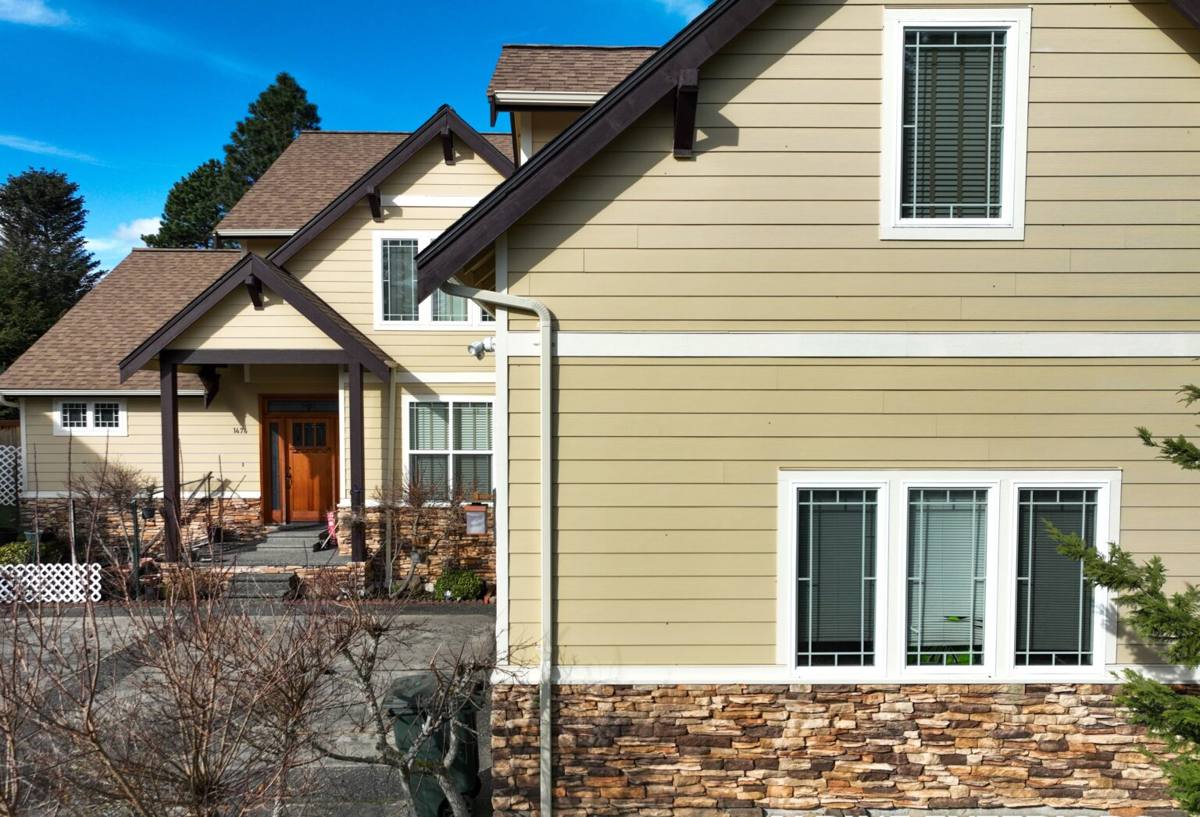
What a Correct Window Replacement Actually Involves
A window replacement is really a water-management job with glass in the middle of it. Get the water management wrong and the new window will look fine for a year or two before problems show up inside the wall.
Flashing and Water Management
Every opening needs proper flashing integrated with the existing weather-resistive barrier — sill pan flashing at the bottom, side flashing lapped correctly, and head flashing that sheds water out and away rather than trapping it behind the trim. On a site exposed to driving rain, sloppy or skipped flashing is the single most common reason a "new" window ends up with rot in the wall a few years later.
Fit, Sealing, and Insulation
The window itself has to be sized and shimmed correctly, insulated around the frame without overpacking it, and sealed on both the exterior and interior sides with the right materials for each — exterior sealants built for constant moisture and UV exposure, interior air-sealing to control condensation. Skipping either side is a shortcut that costs the homeowner later.
Old Frame Removal and Inspection
Pulling the old unit is also the only real chance to see what's happening in the wall behind it. On coastal properties we routinely find soft sill framing, rusted fasteners, or trapped moisture that wouldn't show from the inside. A replacement done right treats that inspection as part of the job, not an afterthought.
Choosing Materials That Hold Up Near the Water
There's no single "best" window material — the right choice depends on how exposed the opening is, how much upkeep the homeowner wants to do, and the look of the house. Here's how the common options actually perform in a salt-air, high-rain environment like this one.
| Material | Coastal Durability | Maintenance | Notes |
|---|---|---|---|
| Vinyl | Good — won't corrode or rot | Low | Most affordable; quality varies a lot between manufacturers, so frame reinforcement matters on larger units |
| Fiberglass | Very good — dimensionally stable in temperature and moisture swings | Low | Handles the wet/dry cycling here well; typically a step up in cost from vinyl |
| Wood-clad | Depends heavily on cladding integrity | Higher | Attractive interior wood look, but any breach in the exterior cladding lets moisture into the wood core — we're cautious recommending it on directly wind-exposed walls |
| Aluminum | Poor near salt air unless specifically coastal-rated | Moderate | Prone to corrosion and condensation in this climate; rarely our first recommendation here |
Our default recommendation for a wind-exposed wall near the water is vinyl or fiberglass with reinforced frames and a glazing package suited to the exposure. Wood-clad can still be the right call on more protected elevations where the homeowner wants that interior look — it's about matching the product to the specific wall, not picking one material for the whole house automatically.
Our Process for a Semiahmoo Replacement Project
- On-site assessment: we look at each opening individually — sun exposure, wind exposure, and any visible sign of past water intrusion — not just take a total window count.
- Product and glazing selection: matched to that opening's exposure and the home's style, with honest trade-offs explained up front.
- Scheduling around weather: openings get sealed the same day they're cut, so we plan installs around the forecast rather than fighting it.
- Removal and structural check: old units come out carefully so we can inspect the framing and sill before anything new goes in.
- Flashing, install, and sealing: done to a consistent standard on every opening, not just the ones that are easy to reach.
- Cleanup and walkthrough: every window operated and checked with the homeowner before we call the job done.
Common Problems We Find When We Pull Old Windows Here
Every area has its own failure patterns. On peninsula and near-water properties in and around Blaine, the recurring issues we run into are:
- Rotted or softened sill framing behind windows that looked fine from inside the house
- Corroded hardware and fasteners on the weather-facing side of the home
- Failed insulated glass seals, showing up as fogging or moisture between the panes
- Moss and mildew staining at sills and trim from prolonged dampness
- Gaps in old flashing or caulking that let wind-driven rain track sideways into the wall
None of these are unusual for the climate — they're just what happens to windows and their surrounding framing over time in a wet, wind-exposed environment. Catching them during a replacement, rather than years later as a bigger repair, is one of the practical benefits of doing the work properly the first time.
Signs Your Windows Are Due for Replacement
- Fogging or visible moisture between the panes of double-glazed units
- Drafts or cold spots near the frame even with the window fully latched
- Soft, discolored, or spongy wood trim or sill at the window
- Difficulty opening, closing, or locking the window smoothly
- Visible corrosion on hardware, cranks, or metal cladding
- A noticeable jump in heating costs without another clear cause
- Persistent moss or dark staining building up at the sill or corners
Why It Matters to Hire a Crew That Already Works This Area
Window replacement isn't a one-size-fits-all trade, and a peninsula property isn't a typical inland job. A crew that regularly works Semiahmoo and the surrounding Blaine waterfront already knows how much wind and rain exposure a given elevation is likely to see, which affects everything from flashing detail to glazing choice. That familiarity also shows up in scheduling — knowing when a weather window is wide enough to safely open a wall, rather than guessing.
Some properties in this area are part of planned or resort-style communities with their own exterior guidelines. We're used to working within those requirements and coordinating the paperwork side of a project so the homeowner isn't the one chasing down approvals. And because permitting runs through the City of Blaine and Whatcom County, having a contractor who already knows that process keeps the project moving instead of stalling on avoidable delays.
What Affects the Cost of a Window Replacement Project
Costs vary enough between homes that we don't quote a number without seeing the openings, but the main factors are consistent from job to job:
| Factor | How It Affects Cost |
|---|---|
| Number and size of windows | Larger openings and more units raise material and labor cost directly |
| Material choice | Vinyl is typically the most affordable; fiberglass and wood-clad cost more upfront |
| Wall condition behind old windows | Rot or moisture damage found during removal adds repair work before the new unit goes in |
| Wind/rain exposure of the elevation | Heavily exposed walls may call for upgraded flashing or glazing detail |
| Accessibility | Upper-floor or hard-to-reach openings take more time and equipment |
| Glazing package | Impact-resistant or higher-performance glass costs more but pays off on exposed elevations |
We'd rather walk a homeowner through these factors honestly than quote a low number that doesn't hold up once we're actually into the wall.
Caring for Your New Windows
Good windows still need a little upkeep in this climate. Rinsing salt residue off frames and hardware periodically, keeping weep holes clear of debris and moss, and checking exterior caulking once a year go a long way toward getting the full service life out of a new install. We're happy to walk homeowners through the specifics for their particular product at the end of the job.
If you're weighing whether it's time to replace windows on a Semiahmoo or Blaine-area home, we're glad to take a look and give you a straight answer — no pressure, no obligation. Use the form below to request a free estimate.