 Blaine Siding
 Ferndale's Climate Is Harder on Siding Than Most Homeowners Realize
Ferndale sits close enough to the Strait of Georgia and Bellingham Bay that salt-laden air is a constant presence on exterior surfaces, even a few miles inland. Combine that with Whatcom County's long, wet fall-through-spring stretch of driving rain and the shaded, moisture-heavy conditions that let moss and algae take hold on north-facing walls, and you have a climate that will find every weakness in a siding system within a few years. Siding that looks fine on day one in a dry showroom can behave very differently after its third or fourth Ferndale winter.
This isn't a reason to panic about siding — it's a reason to be deliberate about material choice and installation detail. Homes in this area do best with a siding system engineered for moisture cycling, backed by an installation crew that treats water management as the actual job, not an afterthought to the finished look.
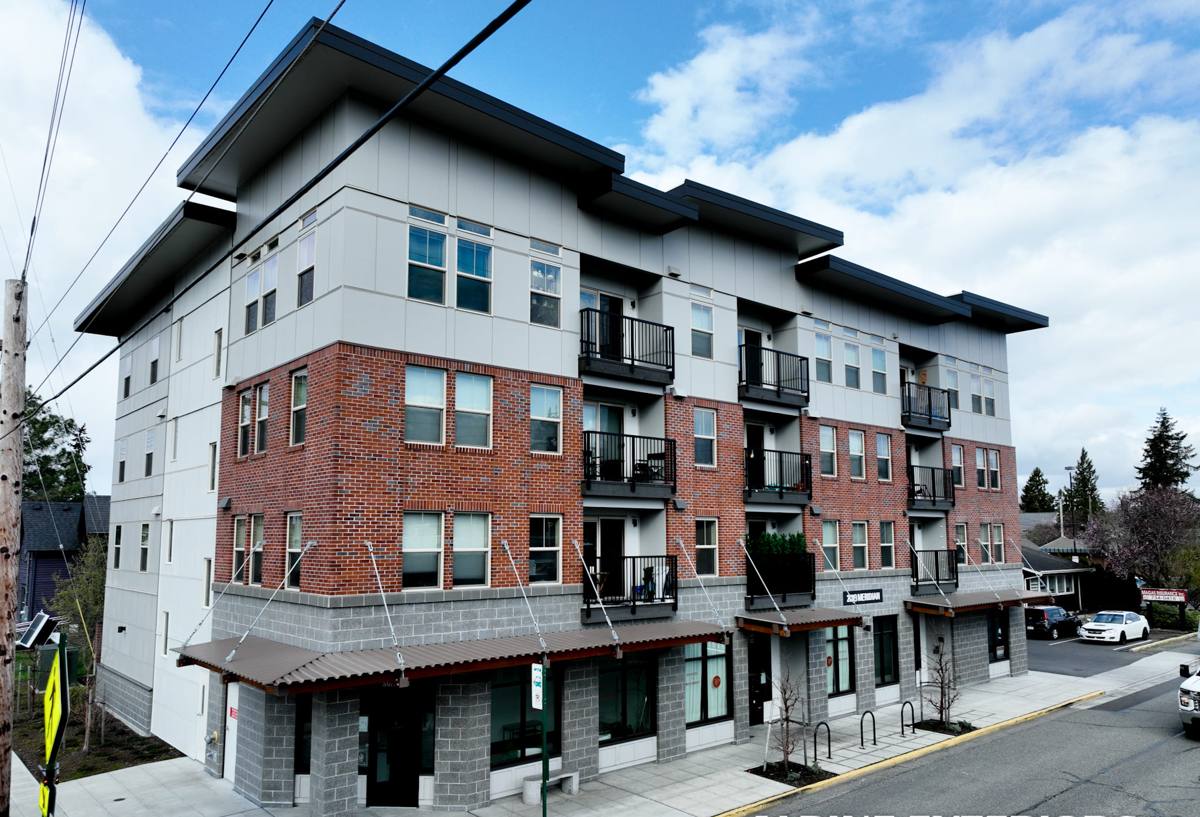
What "Correct" Siding Installation Means in This Climate
Anyone can nail boards to a wall. Correct installation is about what happens behind the boards, where you can't see it once the job is done. In a climate like Ferndale's, three things separate a siding job that lasts from one that causes problems within five to ten years:
Weather-Resistive Barrier and Drainage Plane
Every wall needs a continuous weather-resistive barrier installed with proper shingle-lap sequencing so water sheds outward and down, never inward. In a region with as much sustained rainfall as Whatcom County gets, a drainage gap between the barrier and the siding — rather than face-nailing siding directly against a flat wall — gives incidental moisture a path to escape instead of sitting against the substrate.
Flashing at Every Penetration
Windows, doors, hose bibs, light fixtures, and deck ledgers are where the majority of siding failures actually start. Each one needs properly lapped flashing tied into the drainage plane. Skipping or shortcutting flashing detail is invisible on installation day and expensive five years later.
Clearance and Fastening
Siding needs the manufacturer-specified clearance from grade, roof lines, and decks so it isn't sitting in standing water or trapped moisture, and it needs to be fastened at the correct spacing and depth so the material can handle wind-driven rain without working loose over time. Coastal exposure means wind-driven rain hits siding at an angle more often than in inland climates, which makes these details matter more, not less.
Why We Install James Hardie Fiber Cement — and Nothing Else
We made a decision as a company to install only James Hardie fiber cement siding. That's a narrower stance than most contractors take, and it's worth explaining plainly rather than just asserting it.
Vinyl siding is inexpensive and low-maintenance in a general sense, but it's a petroleum-based product that expands and contracts significantly with temperature swings, and its seams and J-channels give moss and algae plenty of surface texture to grip in a shaded, damp climate. Engineered wood products like LP SmartSide perform well in many parts of the country, but their wood-strand core is dependent on flawless caulking and paint maintenance to keep moisture out — a demanding standard to hold for decades in a climate that rains as often as this one does. Primed spruce and cedar are beautiful and traditional for the Pacific Northwest, but raw or primed wood siding requires a repaint and recaulk cycle that most homeowners underestimate, and any gap in that maintenance becomes an entry point for rot in a moss-season climate. Other fiber cement brands (Cemplank, Allura) are legitimate products, but we standardized on one manufacturer so our crews master one set of installation specs, one flashing system, and one warranty structure rather than splitting expertise across several.
James Hardie's HZ5 product line is engineered specifically for climates like ours — freeze-thaw cycling, sustained moisture, and coastal exposure. It's non-combustible fiber cement, which also matters increasingly for insurance considerations in Washington. The factory-applied ColorPlus finish is baked on under controlled conditions, which holds color and resists the fading and chalking that field-applied paint experiences under years of UV and salt air exposure. It comes with a strong transferable limited warranty, which matters if the home changes hands. None of that is marketing — it's the specific set of properties that makes a material actually suited to Ferndale's conditions rather than merely accepted by it.
How Siding Materials Compare in Whatcom County Conditions
| Material | Moisture behavior in a wet coastal climate | Maintenance burden | Typical lifespan here |
|---|---|---|---|
| James Hardie fiber cement | Engineered for moisture cycling; resists swelling and rot | Occasional wash; factory finish holds color | 30+ years to warranty limit |
| Vinyl | Won't rot, but seams trap moss/algae; can warp with heat | Low, but cleaning seams is tedious | 15-25 years, appearance degrades sooner |
| LP SmartSide / engineered wood | Wood-strand core vulnerable if caulk or paint fails | Regular caulk and paint inspection required | Highly dependent on maintenance |
| Primed spruce / cedar | Natural wood; absorbs moisture without diligent sealing | Repaint/recaulk cycle every few years | Highly dependent on maintenance |
Our Installation Process
Every project follows the same sequence, regardless of home size:
- Site and substrate assessment — checking the existing wall condition, any hidden moisture or rot before covering it back up.
- Removal and substrate repair — old siding comes off, sheathing is inspected and repaired where needed rather than sided over.
- Weather-resistive barrier installation — installed with correct lap sequencing over the full wall.
- Flashing at every penetration — windows, doors, and any wall-mounted fixtures get flashed and integrated into the drainage plane before siding goes on.
- James Hardie installation to manufacturer spec — correct fastener type, spacing, and clearance from grade, decks, and roof lines.
- Final detailing and walkthrough — trim, caulking at appropriate joints only, and a walkthrough so you understand what was done and why.
Signs a Ferndale Home Needs New Siding
Homeowners in this area typically notice one or more of the following before calling:
- Persistent moss or algae staining that returns within weeks of cleaning
- Soft spots, bubbling, or visible warping, especially on north- and west-facing walls
- Paint that's peeling or failing faster than a typical repaint cycle would suggest
- Visible gaps at seams, corners, or trim where the old siding has pulled away
- Rising energy bills that suggest the wall assembly is no longer doing its job
- Cracking or splitting on wood or engineered wood siding after a hard winter
Any one of these on its own isn't necessarily an emergency, but they're worth having looked at before the next wet season, since problems behind the siding tend to get more expensive the longer they sit unaddressed.
What Drives Cost on a Ferndale Siding Job
| Factor | Why it matters |
|---|---|
| Substrate condition | Rot or damaged sheathing found during removal has to be repaired before new siding goes on |
| Home size and wall complexity | More corners, gables, and penetrations mean more flashing and labor time |
| Siding profile and trim choice | Lap width, board-and-batten, and trim detail all affect material and labor |
| Access | Multi-story sections, tight lot lines, or steep grade can affect scaffolding and staging |
| Existing siding removal | Full tear-off versus a simpler recover affects both cost and long-term performance |
We don't publish flat per-square-foot pricing because these variables genuinely change the number from one house to the next — but we'll walk the property with you and give you a clear, itemized estimate before any work starts.
Why It Matters That We Already Work in Ferndale
A crew that regularly works Whatcom County homes has already seen how this specific climate treats siding over time — which wall orientations take the worst of the driving rain, where moss tends to establish first, and which older installation shortcuts show up as failures a decade later. That local pattern recognition shows up in small decisions during the job: where to add extra flashing attention, which clearances to double-check, how to sequence work around the wet season. It's not a substitute for following the manufacturer's installation spec — it's what makes following that spec correctly, on this specific type of home in this specific climate, second nature rather than a checklist.
A Straightforward Checklist Before You Hire Anyone
- Ask what siding material they install and why — and be wary of a contractor who installs "everything"
- Confirm they carry current Washington contractor licensing and insurance
- Ask specifically how they handle flashing at windows and doors, not just the siding itself
- Ask whether they repair damaged sheathing they find, or side over it
- Get the warranty terms in writing — both material and labor
- Ask for a written, itemized estimate before any deposit changes hands
If you're weighing a siding replacement on a Ferndale home, we're happy to take a look and give you a straightforward, no-pressure estimate — including an honest read on whether it's time to replace or whether repair still makes sense. Use the form below to get started.