 Blaine Siding
 Windows Near Blaine Harbor Take a Different Kind of Beating
A house sitting near Blaine Harbor deals with a different set of conditions than a home twenty miles inland. The air off Drayton Harbor and Semiahmoo Bay carries salt. Wind-driven rain comes in sideways for days at a time during the wet season. And the shaded, damp stretches of the year here in Whatcom County grow moss on anything that holds moisture — including window sills, trim, and the gaps around old frames. None of that is exotic information to anyone who has lived in Blaine for a while, but it matters a lot when you're deciding what to put in your window openings and how the job gets done.
This page is about one thing: replacing windows on homes in and around Blaine Harbor, done in a way that actually accounts for the local climate instead of treating it like any other window job.
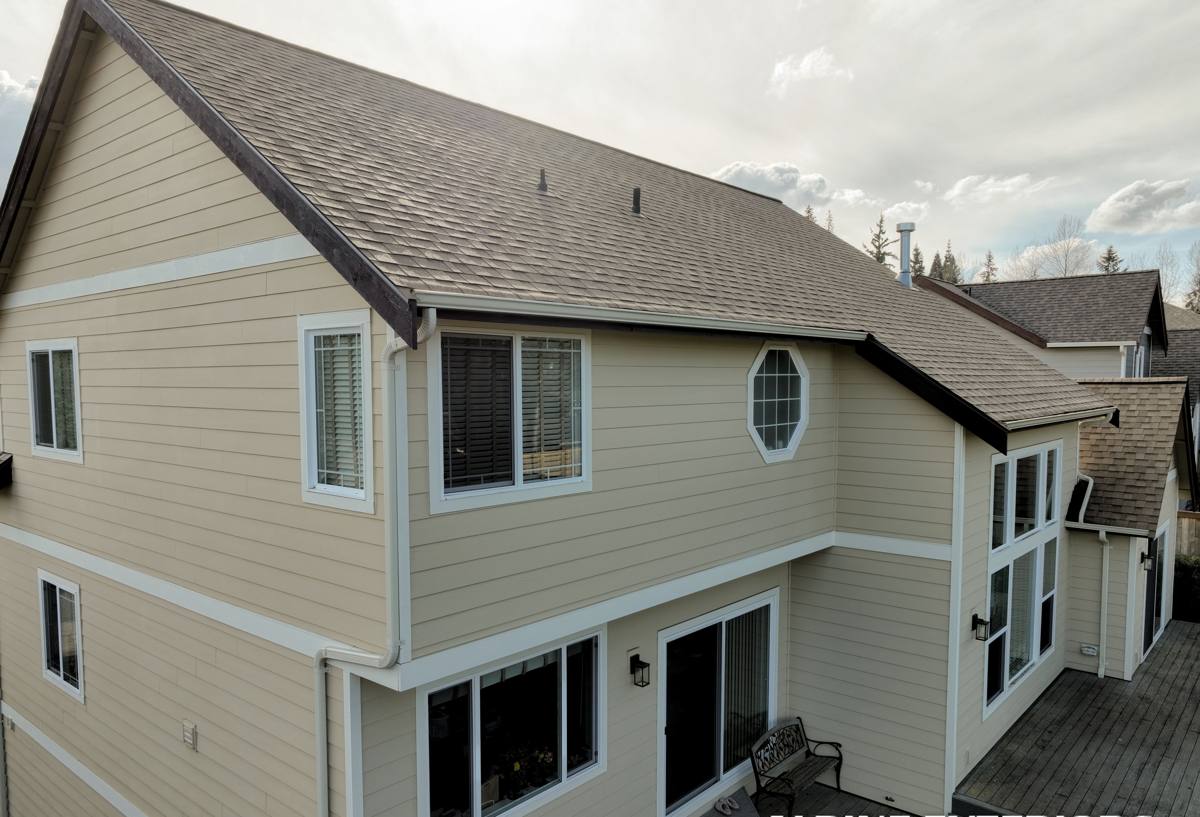
What Salt Air, Rain, and Moss Actually Do to a Window
Salt Air and Metal Components
Salt-laden air speeds up corrosion on anything metal — hinges, cranks, balance systems, and screws. On older aluminum-frame windows especially, you'll often see pitting, stiff or seized hardware, and finishes that have gone chalky years before they should have. Vinyl and fiberglass frames don't corrode the same way, but the metal hardware inside them still needs to be rated for coastal exposure or it will fail early regardless of what the frame is made of.
Driving Rain and Seal Failure
Wind-driven rain doesn't just fall on a window — it gets pushed into every gap the wind can find. Once a seal around the sash or the perimeter flashing starts to fail, water works its way behind the trim and into the wall assembly, and you often don't see it until there's staining, soft wood, or a musty smell showing up well after the water started getting in. Coastal wind exposure means the flashing and sealing details at install time matter more here than they would on a sheltered inland lot.
Moss and Prolonged Moisture
Blaine's long stretch of damp, mild months keeps surfaces wet for extended periods, which is exactly what moss and mildew need. Wood sills and trim that stay damp are where you'll see moss get a foothold first, and once organic growth is established on a windowsill, it holds even more moisture against the wood underneath, which accelerates rot. This is one of the bigger reasons we steer Blaine Harbor customers away from bare wood exteriors on new window installs unless there's a specific reason to keep them.
Signs a Blaine Harbor Home Needs Window Replacement, Not Just Repair
- Visible fog or moisture trapped between the panes of a double-pane window — the seal has failed and the insulating gas (if any) is gone
- Frames that feel soft, spongy, or show dark staining, especially at the bottom corners and sill
- Windows that are difficult to open, close, or lock, particularly after they've sat through a wet winter
- Noticeable drafts or cold spots near the window even when it's fully closed and latched
- Paint or finish that's chalking, peeling, or bubbling on the frame or sill
- Visible moss, algae, or persistent black mildew staining on the sill or lower sash
- A jump in heating costs without any other obvious explanation
- Single-pane glass still in place — common in older Blaine homes and a poor match for current energy performance and comfort expectations
Not every one of these means full replacement is the only option — some hardware and seal issues can be repaired. But when several of these show up on the same window, or the frame itself is compromised, repair is usually just delaying the same job at a higher eventual cost.
What a Correct Window Replacement Actually Involves
The window unit itself gets most of the attention, but on a coastal property the installation details around it are what determine whether the job holds up in ten years or fails in three.
Removal and Opening Inspection
Once the old window comes out, the rough opening gets inspected before anything new goes in. This is the point where hidden water damage, soft framing, or missing flashing from the original build gets found — and it needs to be addressed before the new window goes in, not covered up.
Flashing and Moisture Barrier Detail
Proper flashing directs any water that gets past the window back out, rather than into the wall. On a property exposed to driving rain off the harbor, this step is not optional trim work — it's the actual line of defense against the failure mode described above. We install flashing in a shingled, water-shedding sequence with the weather-resistive barrier, not just a bead of caulk around the edges.
Insulation and Air Sealing
The gap between the window frame and the rough opening gets properly insulated and air-sealed — packed too tight and it can bow the frame, left too loose and it's a draft and moisture path. This is a detail that's easy to rush and hard to inspect after the trim goes back on, which is exactly why it needs to be done right the first time.
Setting, Leveling, and Fastening
A window that isn't shimmed level and square will operate poorly and stress its own seals over time. Fasteners go in per the manufacturer's schedule, not wherever's convenient.
Interior and Exterior Finish
Trim, sealant, and touch-up paint or caulk get finished on both sides, with sealant chosen for exterior durability in a wet, salt-air climate rather than a standard interior-grade product.
Frame Material Comparison for a Coastal Blaine Property
| Frame Material | How It Handles Salt Air & Moisture | Maintenance | General Cost Position |
|---|---|---|---|
| Vinyl | Does not corrode or rot; performs well in coastal exposure | Low — occasional cleaning | Lower to mid-range |
| Fiberglass | Very stable in moisture and temperature swings; strong coastal track record | Low | Mid to upper range |
| Wood (unclad) | Vulnerable to rot and moss if not maintained closely; poor fit for direct harbor exposure | High — regular painting/sealing needed | Mid to upper range, plus ongoing upkeep cost |
| Wood-clad (exterior-clad in vinyl, fiberglass, or aluminum) | Exterior shell resists moisture; interior wood look preserved | Low to moderate | Upper range |
| Aluminum | Prone to corrosion and heat/cold transfer in salt air unless thermally broken | Moderate | Varies widely |
For most Blaine Harbor homes, we lean toward vinyl or fiberglass frames, or a clad option if you want a wood look on the interior. That's not a brand endorsement — it's a straightforward read on which materials hold up to salt air and standing moisture with the least maintenance burden over time. Bare wood frames can still make sense in a sheltered spot or on a home where matching existing wood trim really matters, but we'll tell you plainly what the upkeep commitment looks like before you commit to it.
Glass and Glazing Choices That Matter Here
Beyond the frame, the glass package affects both comfort and long-term performance:
- Double or triple pane: Double-pane is standard and adequate for most homes; triple-pane adds extra insulation value where a room runs cold or faces the harbor wind directly
- Low-E coatings: Reduce heat loss in winter and glare/heat gain in summer without noticeably darkening the glass
- Gas fill (argon or similar): Improves insulating performance between panes; this is also the seal that fails first and causes the foggy-window look if it's ever going to go
- Warm-edge spacers: The material separating the panes at the edge affects both insulation and how well the seal resists moisture intrusion over the years — a detail worth asking about rather than assuming
Our Process for a Blaine Harbor Window Job
- On-site assessment of every window being considered, including a look at the surrounding trim, sill, and any signs of past water intrusion
- Honest recommendation on repair versus replacement, window by window — we don't push replacement where repair is genuinely the better call
- Clear, written estimate covering materials, labor, and what's included for flashing and finish work
- Scheduling that accounts for Blaine's wet-season weather windows so installation isn't fighting the rain
- Removal, opening inspection, and correction of any hidden damage found before the new window goes in
- Installation following manufacturer flashing and fastening specifications, not shortcuts
- Interior and exterior finish work completed and cleaned up
- A final walkthrough so you can see and test every window before we consider the job done
Why a Crew That Already Works Blaine Harbor Matters
Window replacement done by a crew unfamiliar with coastal exposure often looks fine on install day and then shows problems two or three winters later — a seal that wasn't detailed for wind-driven rain, or a wood component that wasn't set up to shed moisture. A crew that regularly works properties around Blaine Harbor has already seen what fails here and builds the job around avoiding it: material choices that suit salt air, flashing details sized for driving rain, and finish choices that don't invite moss to take hold. That's not a marketing angle — it's just what happens when you do the same kind of work in the same conditions repeatedly instead of treating every coastal job as a one-off.
What Affects the Cost of a Window Replacement Project
| Factor | Why It Moves the Price |
|---|---|
| Number and size of windows | More openings and larger units mean more material and labor |
| Frame material chosen | Vinyl generally costs less than fiberglass or clad-wood options |
| Glass package | Triple-pane and specialty coatings add cost over standard double-pane Low-E |
| Condition of the rough opening | Hidden rot or framing damage found during removal adds repair scope |
| Access and complexity | Upper-story or hard-to-reach windows take more time and equipment |
| Trim and finish scope | Matching existing trim profiles or repainting surrounding surfaces adds labor |
We won't quote a project without seeing the actual windows and openings — anyone who gives you a firm number over the phone for a coastal home is guessing. What we can tell you honestly is that skipping the flashing and moisture-barrier detail to save money up front is the single most common way a window job ends up costing more later, in the form of hidden rot repair.
Timing the Job Around Blaine's Weather
Window replacement can be done in most conditions, but it goes smoothest when there's a reasonably dry stretch to work in, since the opening is exposed to the weather during the swap. We plan around Blaine's rain patterns and communicate clearly if weather pushes a schedule, rather than rushing an install into a downpour just to hit a date.
If your windows near Blaine Harbor are showing their age — drafts, fogged glass, sticking sashes, or moss creeping in around the sills — we're happy to take a look and give you a straight assessment. Use the form below to request a free, no-pressure estimate, and we'll walk the property with you and tell you exactly what we see.