 Blaine Siding
 New Roof Installation for Nooksack Homes
Nooksack sits inland from the coast but still lives inside Whatcom County's marine climate — long wet winters, a moss season that never fully quits, and enough wind-driven rain over the course of a year to expose every weak point in a roof system. When a roof in this area is old enough or damaged enough that repair no longer makes sense, a full new roof installation is the honest fix. Done right, it's a system: decking, ventilation, underlayment, flashing, and the roofing material itself all working together, not just a new surface layer nailed over old problems.
We install new roofs for homeowners in and around Nooksack as part of our regular Blaine-area service territory. That matters more than it sounds like it should. A crew that already knows this specific stretch of Whatcom County — the way moisture sits under tree cover, the freeze-thaw swings in a hard winter, the local permitting expectations — shows up with fewer surprises and fewer callbacks.
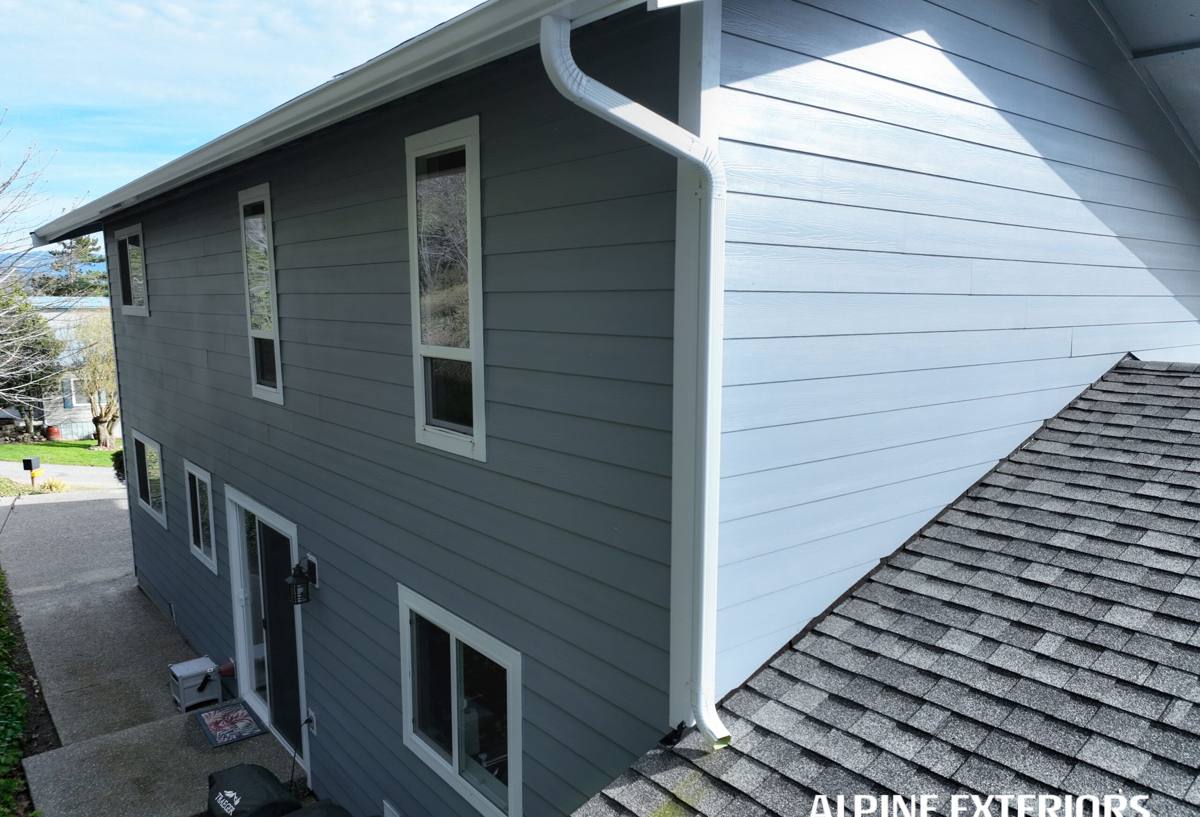
Why Nooksack's Climate Is Hard on Roofs
A few conditions specific to this area shape how we approach every new roof install here:
- Persistent moisture: Long stretches of overcast, drizzly weather keep roof surfaces damp longer than in drier climates, which accelerates moss and algae growth and stresses any material that doesn't shed water quickly.
- Moss and organic buildup: Tree cover and humidity common to this part of the county create ideal conditions for moss to take hold on roofs, especially on north-facing slopes and anywhere debris collects.
- Driving rain and wind: Storms coming off the water can push rain sideways, which puts real pressure on flashing details, ridge lines, and any transition point where two roof planes or a roof and a wall meet.
- Salt-influenced air: Proximity to Puget Sound and the Strait of Georgia means airborne salt is part of the environment, which can accelerate corrosion on unprotected metal fasteners, flashing, and vents over time.
- Temperature swings: Winter freeze-thaw cycles, while milder here than inland climates, still expand and contract roofing materials and can widen small cracks or gaps into real leaks.
None of this means Nooksack is an unusually hard place to roof — it just means the margin for error on material choice and installation detail is smaller than in a dry climate. Corners that get away with it in Arizona don't get away with it here.
What a Correct New Roof Installation Involves
Tear-Off and Deck Inspection
We remove the old roofing down to the deck rather than layering over it. This is the only way to actually see what's underneath — soft spots, rot, old leaks that were never fully dried out, or decking that's simply reached the end of its life. Any damaged sheathing gets replaced before anything new goes down. Skipping this step is one of the most common ways a "new roof" fails early.
Ventilation
A roof that can't breathe traps moisture in the attic, which speeds up rot, feeds mold, and shortens the life of the new roofing material from underneath. Given how much moisture this region deals with year-round, we treat balanced intake and exhaust ventilation as a non-negotiable part of the system, not an upsell.
Underlayment
Underlayment is the roof's backup layer if water ever gets past the primary surface — and in a climate with this much sustained rain, it will occasionally be tested. We use underlayment products suited to wet-climate performance, with ice-and-water shield style protection at vulnerable areas like eaves and valleys where water tends to pool or back up.
Flashing
Flashing around chimneys, skylights, valleys, and wall-to-roof transitions is where the majority of real-world roof leaks actually start — not in the open field of the roofing material. Given the driving rain this area sees, we pay particular attention to flashing details rather than treating them as an afterthought once the main material is down.
Final Material Layer
Whether it's asphalt composition shingle or another roofing material suited to the home, the final layer is installed to manufacturer spec — correct nailing pattern, correct exposure, correct starter and ridge detail. This is the part that's visible, but it's the last of several layers that actually keep the house dry.
Material Considerations for This Climate
There's no single "best" roofing material for every home — it depends on budget, roof pitch, home style, and how much long-term maintenance a homeowner wants to take on. Here's how common options stack up specifically against Nooksack's wet, moss-prone conditions:
| Material | Moisture / Moss Behavior | Maintenance Burden | Typical Lifespan Here |
|---|---|---|---|
| Architectural asphalt shingle | Good drainage when properly installed; algae-resistant shingle options help with moss/streaking | Low to moderate — periodic moss removal recommended | 25–30 years with proper ventilation |
| Standing seam metal | Sheds water and moss very effectively due to smooth, steep-shedding surface | Low | 40+ years |
| Wood shake | More prone to moisture retention and moss growth without diligent upkeep | High — regular treatment and moss control needed | Varies widely with maintenance |
| Composite / synthetic shingle | Generally resists moisture absorption well | Low to moderate | Manufacturer-dependent, often 30+ years |
For most Nooksack homes, we lean toward algae-resistant architectural shingles or metal roofing precisely because they hold up best against sustained moisture and moss without demanding constant upkeep from the homeowner. We're happy to walk through the honest trade-offs for your specific roof during an estimate rather than push one product across the board.
Our Process, Start to Finish
- On-site inspection: We look at the current roof, attic ventilation, and any visible signs of past leaks or moisture damage before recommending anything.
- Written estimate: A clear scope of work and cost breakdown, so there's no ambiguity about what's included.
- Material selection: We help you weigh options based on your budget, home style, and how much maintenance you want to take on long-term.
- Permitting: We handle the necessary permitting for the installation.
- Tear-off and deck repair: Old roofing removed, deck inspected and repaired as needed.
- Installation: Underlayment, flashing, ventilation, and final roofing material installed to spec.
- Final walkthrough: We review the completed work with you and address any questions before calling the job done.
Why a Local Crew Matters for This Job
A new roof installation isn't a job you want to hire out to whoever's cheapest or nearest on a search result. Roofing crews who already work regularly in the Blaine and greater Whatcom County area bring a few real advantages to a Nooksack job:
- Familiarity with how local weather patterns — wind direction, rainfall intensity, moss pressure — actually affect roofs in this specific area, not a generalized national average.
- Knowledge of what tends to fail first on homes in this region, so inspection and installation attention goes where it actually matters here.
- Established relationships with local permitting processes, which keeps a project moving instead of stalling on paperwork.
- Accountability — a crew that lives and works in this community has a reputation to maintain here, not just a one-time job to close.
Signs Your Nooksack Home May Need a New Roof
- Shingles that are curling, cracking, or losing significant granules
- Heavy, persistent moss growth that keeps returning after cleaning
- Visible sagging in the roofline
- Daylight visible through the attic roof boards
- Water stains on ceilings or in the attic after rain
- A roof that's approaching or past its material's expected lifespan
- Frequent, recurring repairs that no longer feel cost-effective
If you're seeing more than one of these, it's worth getting an honest inspection before winter storms make the decision for you.
Cost Factors Homeowners Should Understand
Every roof is different, so we won't quote a number without seeing the job — but a few factors consistently drive cost up or down for new roof installations in this area:
| Factor | Effect on Cost |
|---|---|
| Roof size and complexity (valleys, dormers, multiple pitches) | More cuts, flashing, and labor time |
| Extent of deck repair needed | Rot or soft spots found during tear-off add material and labor |
| Material choice | Asphalt shingle is typically the most budget-friendly; metal and premium materials cost more upfront but often last longer |
| Ventilation upgrades | Adding or correcting attic ventilation is a smaller add-on cost that protects the whole system |
| Roof accessibility | Steep pitches or difficult site access can affect labor and setup time |
Broad ranges for a full residential re-roof in this region typically run from the mid five figures for straightforward asphalt shingle jobs up to significantly more for larger, complex roofs or premium materials like standing seam metal — but the only reliable number is the one we give you after an actual inspection.
Get a Straight Answer on Your Roof
If you're in Nooksack and dealing with an aging roof, persistent moss, or the aftermath of a hard winter, we're glad to come take a look. We'll give you a clear, no-pressure estimate and an honest read on whether you need a full new roof or something less — no upsell, just a straight answer from a crew that already works this part of Whatcom County. Fill out the form below to get started.