 Blaine Siding
 Ferndale sits back a bit from the water compared to spots like Birch Bay or Semiahmoo, but it still sits squarely inside Whatcom County's marine-influenced climate. Salt-tinged air, wind-driven rain off the Strait, and a moss-and-mildew season that runs most of the year all reach homes here, and window installation is one of the places that weather shows up first. A window opening is a hole cut into the wall assembly on purpose — how well that hole is sealed, flashed, and finished decides whether the wall keeps doing its job for the next twenty or thirty years.
We install windows in Ferndale on a regular basis, on everything from older farmhouses on larger lots to newer subdivision homes closer to town. This page covers what a correct installation actually involves here, what tends to go wrong when it's rushed, and how our process works from estimate to final walkthrough.
What Ferndale Homes Need From a Window Installation
The housing stock around Ferndale is mixed. There are older farmhouses and rural properties with original wood-frame windows that have been repainted and re-caulked more times than anyone can count, newer construction with vinyl or fiberglass units installed to current code, and everything in between. What they share is exposure to the same regional weather pattern: rain that doesn't just fall straight down but gets pushed sideways into wall assemblies during a storm, humidity that keeps wood and trim damp longer than a drier inland climate would, and a moss season that colonizes any shaded, damp surface it can find.
None of that changes the basic mechanics of a window installation. It changes how much margin for error there is. A flashing detail that's "close enough" in a dry, calm climate can fail within a few seasons here, because wind-driven rain actively tests gaps and shortcuts that gravity alone would never find.
Why Correct Flashing Matters More Here
Flashing is the layer that directs water back out of the wall assembly instead of letting it soak into framing, insulation, and drywall. On a standard installation, that means the window's nailing flange integrates with a weather-resistant barrier and flashing tape in a specific shingled order — each layer overlapping the one below it, never the reverse. Skip a step or reverse the order, and the wall can trap water instead of shedding it. That kind of mistake often stays invisible for a year or two before it shows up as soft trim, peeling paint, or a musty smell near the window.
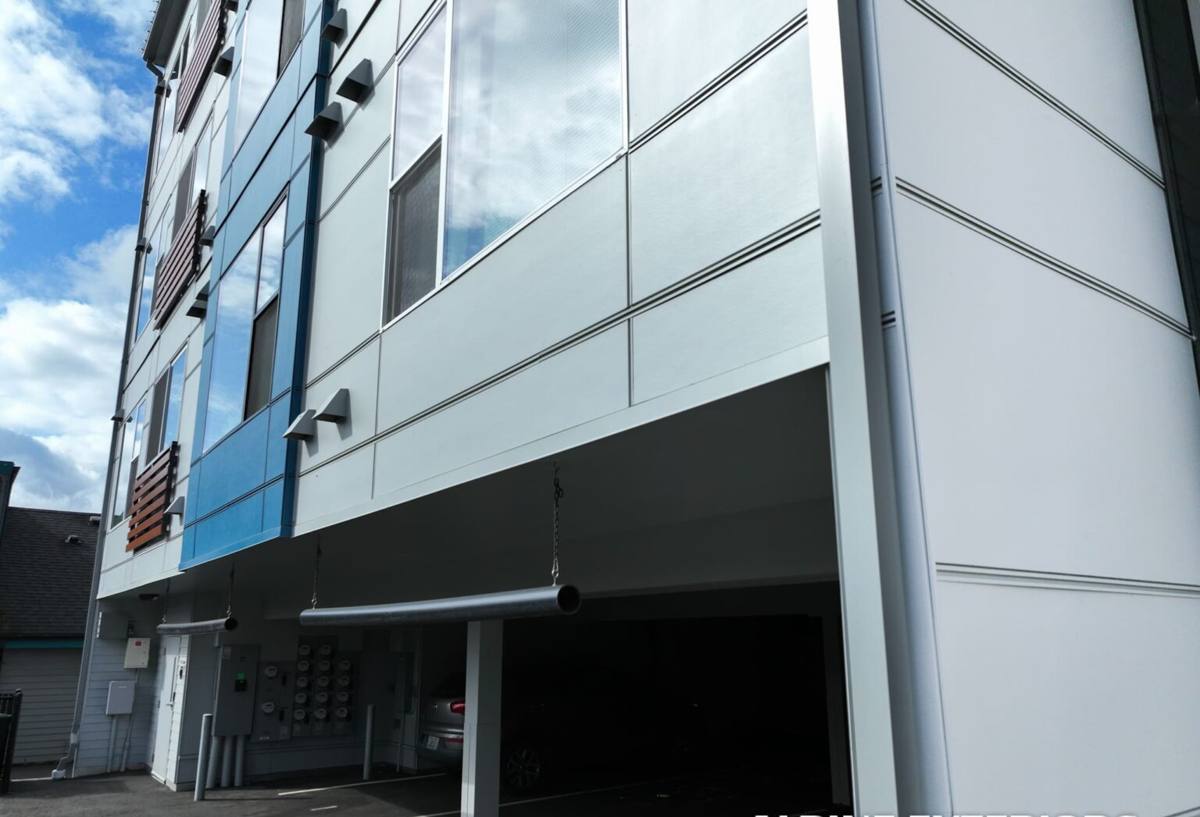
Common Window Installation Scenarios We See in Ferndale
Not every job is the same kind of installation, and the right approach depends on what's already there.
- Full-frame replacement — the old window, frame, and often some surrounding trim come out completely, exposing the rough opening for inspection and repair
- Insert (pocket) replacement — a new window is fitted into the existing frame, which stays in place; faster and less invasive when that existing frame is still sound
- New construction or addition openings — framing a new rough opening from scratch, common on additions and rebuilds
- Egress upgrades — enlarging a bedroom or basement window opening to meet current code-required emergency escape dimensions
- Older farmhouse retrofits — replacing original wood windows that predate modern sizing standards, sometimes requiring a custom or special-order unit
The first step on any of these is figuring out which category the job actually falls into. A homeowner who assumes they need a full-frame replacement sometimes only needs an insert unit, and vice versa — the difference matters for both cost and timeline.
What a Correct Installation Job Actually Involves
A window installation done right follows a sequence, and skipping or reordering steps is where most long-term problems start.
- Remove the old window (and frame, if it's a full-frame job) and inspect the rough opening for rot, soft framing, or existing water damage
- Repair or replace any damaged framing before the new window goes in — installing a new window into a compromised opening just hides the problem
- Set the new window level, plumb, and square, checking reveal and operation before it's fastened permanently
- Integrate flashing tape and the weather-resistant barrier in the correct shingled order around the nailing flange
- Insulate the gap between the window frame and rough opening without overpacking it, which can bow the frame
- Seal and finish the exterior with trim, caulk, and siding tie-in appropriate to the home's existing exterior
- Finish the interior — trim, sill, and paint or stain to match
Every one of those steps is inspectable, and we walk homeowners through what to look for before we close up the wall. On an older Ferndale home, step two — repairing what's found once the old window comes out — is the step that most often turns a straightforward quote into a slightly longer conversation, because damage isn't always visible until the opening is exposed.
Full-Frame vs. Insert Replacement
Both are legitimate approaches. The right one depends on the condition of the existing frame and what you're trying to accomplish.
| Factor | Full-Frame Replacement | Insert (Pocket) Replacement |
|---|---|---|
| Best for | Damaged, rotted, or out-of-square existing frames | Sound existing frames that just need new glass and hardware |
| Rough opening | Fully exposed and repairable | Stays covered; hidden damage won't be caught |
| Glass area | Can typically match or slightly increase original size | Slightly smaller viewable glass, since the new unit fits inside the old frame |
| Labor and time | More labor; exterior trim and siding tie-in usually disturbed | Faster install; less disruption to exterior finish |
| Best fit here | Older farmhouses with original wood frames, or any opening with signs of past water intrusion | Newer homes with sound vinyl or fiberglass frames needing an upgrade |
We don't default to one method across every job. The condition of the existing opening decides it, and we'll tell you plainly if we think a full-frame approach is worth the extra labor versus a faster insert job.
Window Materials and Glass We Work With
Vinyl, fiberglass, and wood-clad windows are all in regular use around Ferndale, and each has a place depending on the home and the budget. Vinyl is the most common choice for straightforward replacements — low maintenance and reasonably priced. Fiberglass frames hold up well to temperature swings and tend to stay dimensionally stable longer, which matters on larger openings. Wood-clad units are common on older or higher-end homes where the interior look matters, with a low-maintenance exterior cladding protecting the wood from the weather.
On glass, we generally recommend double-pane units with a low-emissivity (Low-E) coating for this climate. Low-E glass helps manage heat loss and reduces condensation buildup on the interior pane during cold, damp stretches — a real issue in a climate where indoor and outdoor humidity stay high for months at a time. We're straightforward about trade-offs between options rather than pushing one brand or product line as the only correct answer; the right glass package depends on the home's orientation, existing windows, and budget.
Signs a Ferndale Home's Windows Need Attention
A few warning signs come up often enough in this area that they're worth checking for directly:
- Visible gaps, soft or spongy trim, or peeling paint around the window frame
- Fogging or condensation trapped between panes, which means the seal has failed
- Drafts you can feel with a hand near the frame on a windy day
- Difficulty opening, closing, or locking a window that used to operate smoothly
- Moss or dark staining building up on the sill or trim, especially on north- or west-facing walls
- A musty smell near a window that wasn't there before, which can point to moisture already inside the wall
Any one of these on its own isn't necessarily urgent. Several showing up together, especially fogged glass paired with soft trim, usually means it's worth having someone look before the next wet season.
Our Process, Start to Finish
We keep the process straightforward and try not to make homeowners guess what happens next:
- Free, no-pressure estimate — we look at the actual openings, not just a photo or a phone description
- Written scope covering the installation method (full-frame or insert), materials, and a realistic timeline
- Scheduled installation, with the rough opening inspected and any repairs discussed before we close anything up
- Final walkthrough where we check operation, sightlines, and finish work with the homeowner before calling the job done
We don't add pressure tactics or limited-time pricing to move a decision along. A window installation is a big enough investment that it deserves a clear-headed comparison, not a rushed one.
Why a Crew That Already Works Ferndale Matters
Whatcom County's building requirements, typical framing practices in homes of a given era, and the way this specific climate stresses a window installation aren't things you pick up from a manual. A crew that regularly works Ferndale and the surrounding area has already seen how older farmhouse framing tends to be built, what condition to expect behind original wood windows once they come out, and which flashing details actually hold up through a wet Whatcom County winter versus which ones look fine on installation day and fail two years later. That familiarity shows up in fewer surprises mid-project and a more accurate estimate up front.
If you're dealing with drafty, fogged, or hard-to-operate windows on a Ferndale home, or planning new openings for an addition, it's worth having someone look at the actual windows before you start comparing quotes blind. We offer free, no-pressure estimates for window installation in Ferndale and the surrounding area — use the form below to get a time on the schedule.