 Blaine Siding
 Windows in Grandview Take a Different Kind of Beating
Grandview sits close enough to the water that homes here deal with a steady diet of salt-laden air, wind-driven rain, and long stretches of gray, damp weather that can run from fall clear into spring. That combination is hard on windows in ways that homeowners further inland rarely have to think about. Salt air accelerates corrosion on hardware and metal components. Driving rain finds any weak point in flashing or sealant and pushes water sideways and upward, not just straight down. And the extended moss and mildew season in Whatcom County keeps exterior surfaces damp for days at a time, which gives wood rot, mold, and failed seals more opportunity to take hold.
None of that means windows in Grandview are doomed to fail early. It means the replacement has to be done with those specific conditions in mind — the right materials, the right flashing details, and installation work that respects how water actually moves around a window opening in a coastal wind event. That's the standard we hold every Grandview job to.
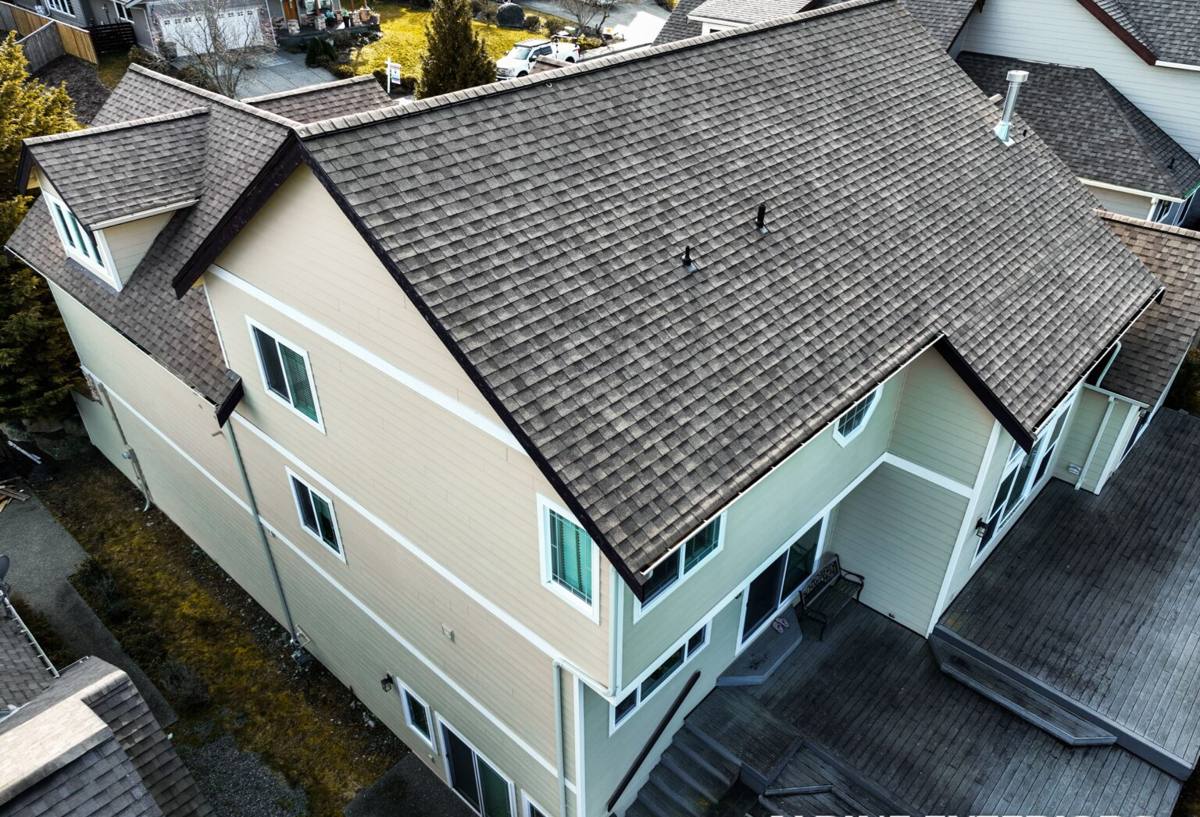
Signs a Grandview Home Needs Window Replacement
Windows rarely fail all at once. They tend to give off warning signs for a season or two before a homeowner notices the bigger problem. In this area, watch for:
- Fogging or a hazy film between panes of double-glazed windows — a sign the seal has failed and the insulating gas has leaked out
- Soft or spongy wood at the sill or lower corners of the frame, often a sign of long-term moisture intrusion
- Windows that are noticeably harder to open, close, or lock than they used to be
- Visible corrosion, pitting, or stiffness in hardware, hinges, or locks — common where salt air is a factor
- Drafts you can feel near the frame even when the window is fully latched
- Paint or finish that keeps peeling or bubbling around the window trim no matter how often it's touched up
- Noticeably higher heating bills in the colder months with no other explanation
- Moss or dark streaking building up on the sill or exterior casing faster than on the rest of the siding
Any one of these on its own isn't necessarily an emergency. Several of them together, especially on windows facing the prevailing weather, usually means it's time to stop patching and start planning a replacement.
What a Correct Window Replacement Actually Involves
It's Not Just Swapping the Glass
A window replacement done right is as much about the opening as it is about the window itself. Pulling an old unit and setting a new one into a rough opening that was never properly flashed just relocates the same water problem a few years down the road. In a wind-driven-rain climate like this one, the details around the window matter as much as the window's rating on paper.
The Details We Won't Skip
- Inspecting the opening once the old window is out — checking the sheathing, sill, and framing for hidden rot or moisture damage before anything new goes in
- Proper flashing sequencing so water is directed out and away from the wall assembly, shingle-style, rather than trapped behind the new unit
- Sill pan installation to catch and redirect any water that does get past the outer defenses, instead of letting it sit against wood framing
- Correct sealant and backer rod use at the perimeter — not just a bead of caulk smeared over gaps
- Proper shimming and squaring so the window operates smoothly and the seal isn't stressed unevenly, which is often where early failures start
- Interior and exterior trim work finished to shed water and match the surrounding siding or casing
Skipping any of these steps might not show up as a problem right away. It shows up two or three wet winters later, usually as a stain on an interior wall or soft trim that was fine when it was installed.
Choosing Materials That Hold Up to Salt Air and Rain
Frame material is one of the biggest decisions in a window replacement, and it matters more here than it would in a drier, inland climate. Here's how the common options generally compare for a coastal Whatcom County property:
| Frame Material | Moisture Resistance | Maintenance | Notes for This Climate |
|---|---|---|---|
| Vinyl | Good — won't rot or corrode | Low | Solid all-around choice; quality varies a lot between manufacturers |
| Fiberglass | Very good — dimensionally stable in temperature and moisture swings | Low | Handles freeze-thaw and damp cycles well; typically a higher upfront cost |
| Aluminum | Fair — prone to corrosion in salt air without proper coatings | Moderate | We're selective about where we recommend it near the coast |
| Wood (clad or unclad) | Depends heavily on cladding and upkeep | High | Beautiful, but unclad wood needs consistent maintenance in this rain load |
We don't push one material on every job. The right call depends on your home's exposure, your budget, and how much upkeep you want to take on. What we won't do is recommend a frame material or hardware finish that we know struggles in salt air just because it's cheaper up front — that's a maintenance headache we'd rather steer you away from than sell you.
Glass and Seal Quality Matter Too
Beyond the frame, look at the glazing package — the seal quality between panes is what determines whether you get fogging in five years or twenty. In a marine climate, a well-sealed double-pane unit with a good warranty on the seal itself is generally a smarter investment than chasing the highest possible energy rating on paper. Ask about the manufacturer's seal warranty specifically, not just the general product warranty.
How Our Process Works
- Free on-site assessment — we walk the exterior and interior of each window in question, checking for the warning signs above and assessing exposure to wind and rain
- Honest recommendation — we tell you which windows genuinely need replacing now, which can wait, and which materials make sense for their exposure
- Clear, itemized estimate — no vague lump sums; you'll know what you're paying for
- Careful removal — protecting interior floors and finishes, and inspecting the opening as soon as the old unit is out
- Proper installation — flashing, sill pans, sealant, and trim work done to hold up to this area's weather, not just to pass a quick visual check
- Cleanup and walkthrough — we walk you through the finished work and make sure every window operates the way it should before we consider the job done
What Affects the Cost
Every home is different, so we won't quote a number without seeing the job, but these are the factors that typically move the price:
| Factor | How It Affects Cost |
|---|---|
| Frame material | Vinyl is generally the most affordable; fiberglass and clad wood run higher |
| Window size and style | Larger units, bays, or custom shapes cost more than standard double-hung or slider sizes |
| Condition of the opening | Hidden rot or framing damage found once the old window is removed adds labor and materials |
| Number of windows | Replacing several windows in one visit is usually more cost-effective per unit than one-off jobs |
| Access and height | Second-story or hard-to-reach windows take more time and equipment |
| Trim and finish work | Matching existing exterior trim or siding profiles can add scope |
We'll walk through these with you during the free assessment so there are no surprises once work begins.
Why Hire a Crew That Already Works in Grandview
Window replacement isn't a one-size-fits-all job, and a crew that's spent time working on homes in this specific area already knows what to expect before they show up. They know how far wind-driven rain can push water sideways during a Whatcom County storm, how quickly moss and mildew take hold on a shaded north wall, and which framing details tend to have hidden moisture damage on homes of a certain age in this area. That local pattern recognition matters — it's the difference between a crew that's guessing and one that's seen the same conditions on the house down the road.
It also matters for follow-through. A local crew is close by if you have a question after the job is done, and they're not going anywhere if a warranty issue comes up down the line. That kind of accountability is worth something, especially with a job that's meant to protect your home for decades.
Protecting the Rest of Your Home
A window that isn't sealed correctly doesn't just cause problems at the window itself — it can lead to water tracking into wall cavities, damaging insulation, and eventually affecting siding or interior finishes well beyond the frame. In a climate with as much sustained damp weather as Blaine sees, catching failing windows early and replacing them correctly is one of the more cost-effective ways to protect the rest of the exterior envelope from bigger, more expensive repairs later.
If you're noticing drafts, fogged glass, sticking sashes, or general wear on your windows, we're happy to take a look. We offer free, no-pressure estimates for homeowners in Grandview and the surrounding Blaine area — just fill out the form below and we'll get in touch.