 Blaine Siding
 Storm Damage Roof Repair for Lynden Homes
Lynden sits inland from Blaine but it doesn't escape the weather that moves through Whatcom County. The same Pacific fronts that push driving rain and gusty wind across Blaine and the Strait of Georgia keep rolling east across the flats around Lynden, and the salt-laden air that starts near the water travels with it further than most homeowners expect. Add a long, wet moss season on top of that, and roofs here take a slower, quieter kind of beating even between named storms. When wind finally lifts a shingle edge or a branch comes down on a slope, the roof underneath is often already softened up from months of moisture exposure.
Storm damage repair done right in this area isn't just about patching the spot you can see from the driveway. It's about understanding what the roof has already been through and making sure the repair holds up through the next round of weather, not just the next dry week.
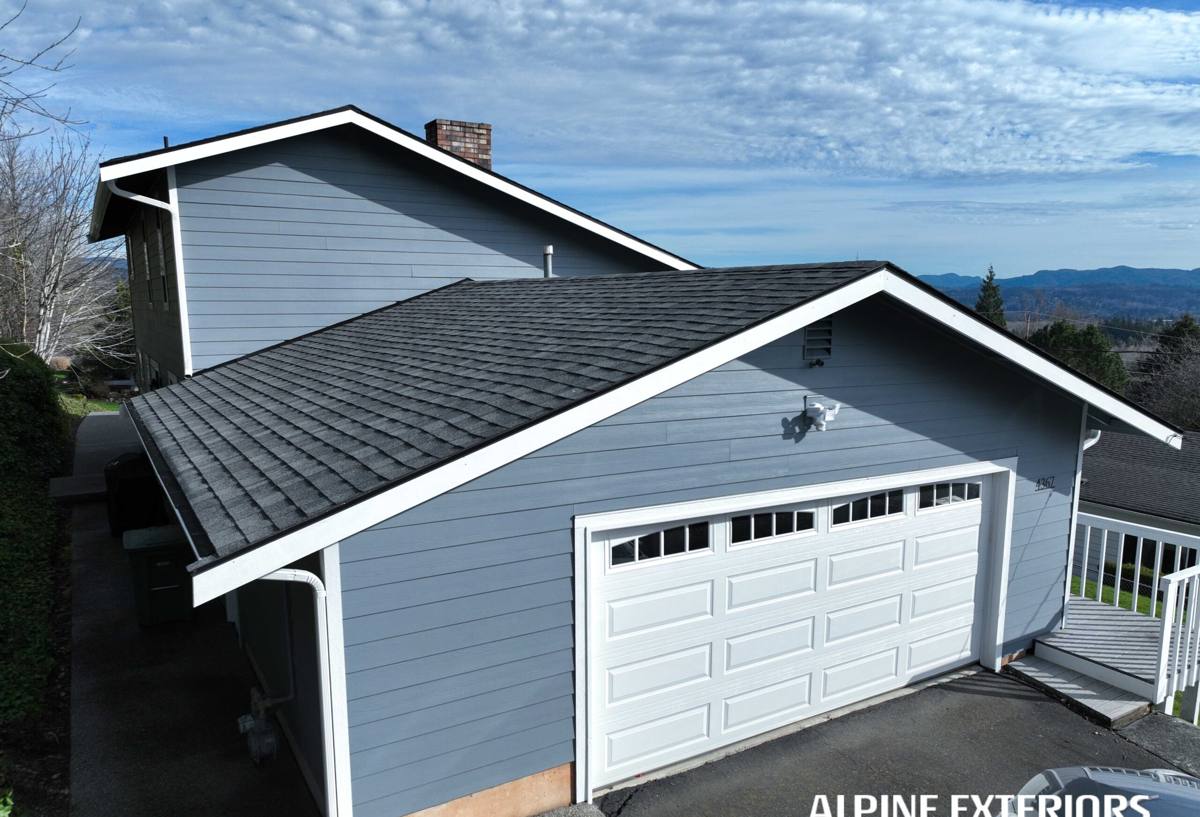
What Actually Counts as Storm Damage
Not every roof problem after a windy night is dramatic. Some of the most common storm-related issues we get called out for in this area are easy to miss from the ground.
Signs You Can Usually Spot Yourself
- Shingles that are lifted, curled, cracked, or missing entirely
- Granules collecting in gutters or at the base of downspouts
- Visible dents or punctures from falling branches or debris
- Flashing that's bent, pulled loose, or separated from a chimney or wall
- Water stains on interior ceilings, especially after a heavy rain event
Damage That Hides Until It's Bigger
Wind can lift a shingle just enough to break its seal without tearing it off, which means it looks fine from the yard but leaks the next time rain comes in sideways. Moss mats that were already holding moisture against the roof deck can accelerate rot once a storm opens even a small gap in the shingle surface. And a single displaced shingle rarely fails alone — the fasteners and underlayment around it are usually stressed too, even if they haven't given way yet.
What a Correct Repair Actually Involves
A rushed, storm-chaser style repair usually means a few new shingles nailed over the damaged spot and nothing else. That can hold for a while, but it doesn't address what let the damage happen in the first place, and it often doesn't match the surrounding roof well enough to shed water the way it's supposed to.
A repair worth paying for includes checking the roof deck underneath the damaged area, not just the shingles on top. Whatcom County's rain volume means a small deck soft spot can turn into a larger repair fast if it's covered up instead of dealt with. It also means matching underlayment and flashing details to the rest of the roof so water has one continuous path off the house, and clearing moss and debris from the surrounding area so the new work doesn't sit under the same conditions that contributed to the original problem.
| Damage Type | Typical Scope of Work | What Drives the Cost |
|---|---|---|
| Wind-lifted or missing shingles | Remove and replace affected shingles, reseal surrounding tabs, check fasteners | Number of shingles, roof pitch, match-up with existing material |
| Flashing failure (chimney, wall, valley) | Remove old flashing, inspect underlayment, install and seal new flashing | Flashing type, accessibility, extent of water intrusion behind it |
| Branch or debris puncture | Cut back damaged section, inspect decking, patch or replace deck section, reshingle | Deck condition found underneath, size of the puncture |
| Moss-related rot at edges/valleys | Remove moss and debris, treat area, replace rotted decking or fascia, reshingle | How far rot has spread, whether gutters/drainage also need attention |
How We Handle a Storm Call
When a homeowner in Lynden calls us after a storm, the process is straightforward and we don't add steps just to pad the job.
- Stabilize first. If there's an active leak or an open section of roof, our priority is getting it covered and dry before anything else.
- Full inspection, not a glance. We check the damaged area and the roof around it, since storm stress rarely stays confined to one spot.
- Document what we find. Photos and notes on the damage, which matter if you're filing an insurance claim.
- Give you a clear plan. What needs to be repaired now, what's cosmetic, and what to keep an eye on going forward.
- Do the work to match. Materials, color, and installation method matched to the rest of your roof wherever possible.
- Clean up and walk you through it. No debris left behind, and a plain explanation of what was done and why.
Working With Your Insurance Company
Most storm damage claims come down to documentation. An adjuster who wasn't on your roof relies heavily on the notes and photos in front of them, so a clear record of the damage — including anything already loosened before the visible failure — matters more than people expect. We can point out what we see and provide our assessment, but the claim itself and any coverage decisions are between you and your insurer. What we won't do is inflate a scope of work to chase a bigger payout; we repair what's actually damaged and explain our reasoning if you want a second opinion.
Why Salt Air and Moss Season Change the Math Here
Roofing advice written for drier climates doesn't always hold up in Whatcom County. Two things matter more here than in most parts of the country:
Salt Air Exposure
Homes closer to Blaine and the water get the most direct exposure, but airborne salt travels further inland than people assume, especially with the wind patterns common to this stretch of the county. It accelerates corrosion on exposed metal — flashing, fasteners, gutter hardware — faster than it would inland in a drier state. When we repair flashing or replace fasteners on a Lynden roof, we account for that exposure rather than treating every job like it's in a landlocked climate.
Moss Season
The wet season here runs long, and shaded or north-facing roof sections rarely get a real chance to dry out for months at a stretch. Moss doesn't just look bad — its root structure holds moisture against the shingle surface and works its way under tabs and around fasteners over time. A storm repair that ignores an existing moss problem is a repair that's likely to need attention again soon, so we treat moss removal as part of the job, not an upsell.
Repair vs. Replace: How We Think About It
Not every storm-damaged roof needs a full replacement, and we don't default to recommending one. The honest factors are the age of the roof, how much of it is affected, whether the decking underneath is sound, and how much moss or wear was already present before the storm. If a roof is younger and the damage is isolated, a proper repair is usually the right call. If the roof was already near the end of its service life or the damage is spread across multiple sections, we'll say so plainly rather than patching something that's going to need replacing within a year or two anyway.
Why a Crew That Already Works Lynden Makes a Difference
After a regional storm, response time matters — a tarped roof that sits exposed for days invites more damage than the original event caused. A crew already working in and around Lynden and Blaine can typically respond faster than one traveling in from outside the county, and knows which suppliers locally stock the underlayment and flashing that hold up to this climate without a long wait on special orders.
Local experience also means fewer surprises. A contractor who has worked roofs across Whatcom County has already seen how moss builds up on north-facing slopes here, how far salt air actually travels inland, and which repair shortcuts fail first in this weather. That's the kind of knowledge that shows up in the quality of the repair, not in the sales pitch.
Questions Worth Asking Before You Hire Anyone After a Storm
- Will you inspect the full roof, or just the spot I called about?
- Do you provide photo documentation I can use for an insurance claim?
- What's your plan if you find rotted decking under the damaged shingles?
- Will the repair materials match my existing roof, or will it look patched?
- Do you address moss and drainage issues near the repair, or just the storm damage itself?
- Are you insured, and can you provide proof if asked?
Get a Straight Answer on Your Roof
If a recent storm left you with lifted shingles, a leak, or debris damage anywhere near Lynden, it's worth having someone look at it before the next round of rain finds the weak spot. We'll give you a clear, no-pressure estimate and an honest read on what actually needs to happen — nothing more, nothing less. The form below is a quick way to get that conversation started.