 Blaine Siding
 Roofing in Ferndale Comes With Its Own Set of Problems
Ferndale sits close enough to the water and to the open farmland north of Bellingham that its roofs take a beating most inland Washington towns never see. You get salt-laden air rolling in off Bellingham Bay and the Strait, driving rain that comes in sideways during winter storms, and a moss season that runs from October clear through April most years. None of these things alone will destroy a roof overnight. Together, over years, they wear down materials faster than the manufacturer's warranty ever accounts for.
A roof replacement in Ferndale isn't just about swapping old shingles for new ones. It's about choosing materials and installation details that actually hold up to this specific combination of moisture, salt, and shade. We've been doing exterior work throughout Whatcom County long enough to know which shortcuts show up as leaks two winters later, and which details are worth the extra time.
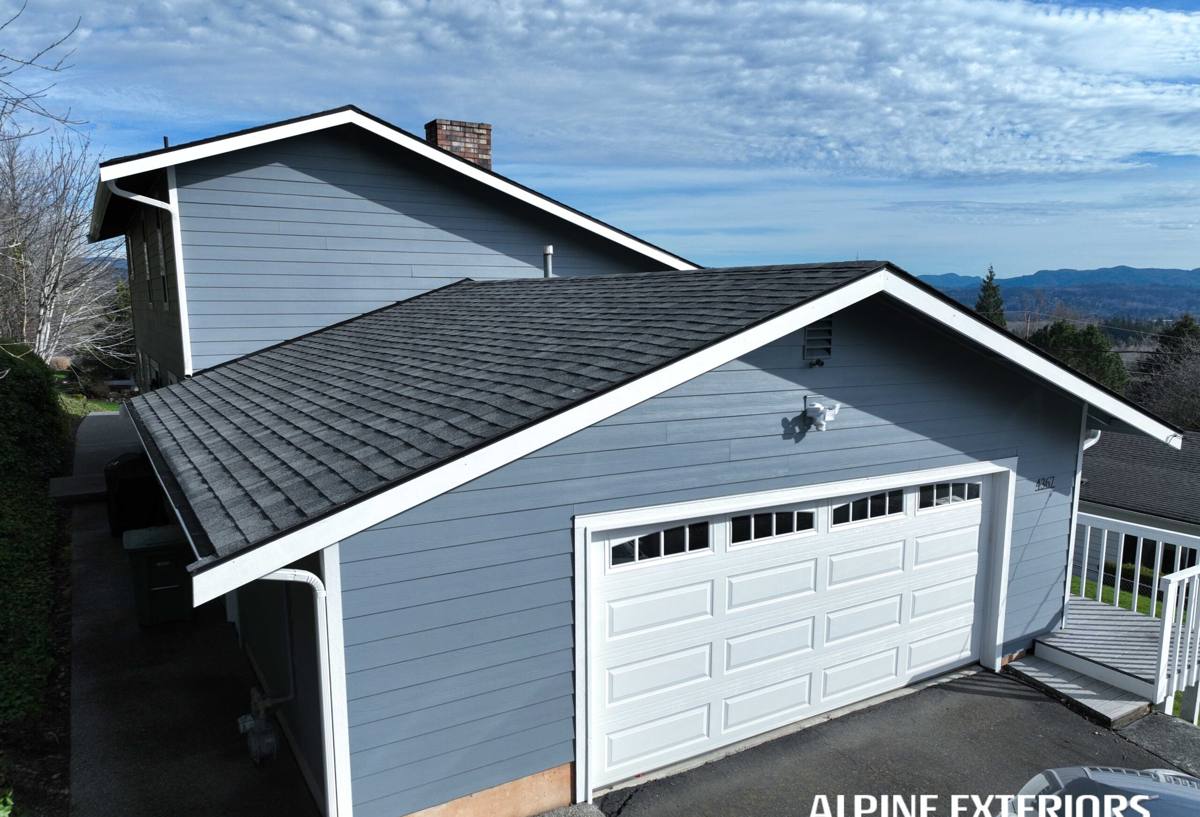
What Whatcom County Weather Does to a Roof
Salt Air and Metal Fasteners
Homes closer to Drayton Harbor, Semiahmoo Bay, and the Strait of Georgia deal with airborne salt that accelerates corrosion on exposed metal — flashing, nails, vent boots, and gutter hardware. Standard electro-galvanized fasteners can start showing rust streaks and weakening well before a roof's shingles are due for replacement. This is a bigger factor the closer a home sits to the water, and it fades somewhat as you move inland toward Ferndale, but it's still part of the equation for most of our service area.
Driving Rain and Wind-Driven Water
Winter storms here don't just drop rain straight down — wind pushes it sideways and up under laps, flashing, and ridge caps that would stay dry in a calmer climate. Roofs installed without extra attention to underlayment coverage, flashing laps, and fastener placement tend to develop slow leaks at valleys, chimneys, and skylights first, since those are the spots where wind-driven rain finds the easiest path in.
Moss, Shade, and Trapped Moisture
Ferndale's tree cover and the region's long, damp shoulder seasons create ideal conditions for moss and algae growth on north-facing and shaded roof slopes. Moss isn't just cosmetic — it holds moisture against the roofing material, lifts shingle edges as it grows, and can work its way under laps over time. A roof that isn't detailed or ventilated with moss growth in mind will need moss treatment and cleaning far more often, and the underlying decking is more likely to see moisture damage long-term.
Signs a Ferndale Roof Needs Replacing, Not Patching
- Granule loss heavy enough that you're finding grit in gutters and downspouts every season
- Shingles that are cupping, curling, or cracking, especially on south and west-facing slopes
- Moss buildup that keeps coming back within a year or two of cleaning
- Soft spots or sagging when walked on, which usually points to decking damage underneath
- Daylight visible through the attic roof deck, or water stains on interior ceilings
- Flashing around chimneys, vents, or skylights that's rusted, lifted, or separating from the roof plane
- A roof that's simply reached the end of its expected material lifespan, even without obvious damage yet
If you're only seeing one or two of these and the roof is under 15 years old, a repair may still make sense. Once several of these show up together, or the roof is past the halfway point of its expected life, replacement is usually the more honest recommendation — patch jobs on an aging roof tend to become a repeating expense rather than a fix.
Roofing Materials That Make Sense for This Climate
There isn't one "best" roofing material for every Ferndale home — it depends on the roof's pitch, how much shade it gets, your budget, and how long you plan to stay in the house. Here's how the common options stack up against Whatcom County conditions specifically.
| Material | How It Handles Salt Air & Rain | Moss Resistance | Typical Lifespan |
|---|---|---|---|
| Architectural asphalt shingle | Good with proper flashing and underlayment; standard fasteners should be corrosion-resistant near the water | Moderate — benefits from algae-resistant granules on shaded roofs | 25–30 years |
| Standing seam metal | Excellent when specified with a coastal-rated finish and matching fastener hardware | Good — smooth surface sheds moss more easily than shingles | 40–50+ years |
| Composite/synthetic shingle | Very good — doesn't corrode and handles moisture well | Good, especially with treated products | 30–50 years, varies by product |
| Cedar shake | Requires more maintenance in this rain pattern; can trap moisture if not detailed and ventilated correctly | Poor without regular treatment and cleaning | 20–30 years with upkeep |
We steer most Ferndale homeowners toward architectural asphalt or a quality composite unless there's a specific reason to go with metal or cedar — not because those aren't legitimate roofing materials, but because asphalt and composite strike the best balance of upfront cost, moss resistance, and long-term maintenance for this particular climate. Cedar shake looks great and plenty of homes in the area still have it, but it asks for more upkeep in a wet, mossy climate than most owners want to sign up for.
What a Correct Roof Replacement Actually Involves
Tear-Off and Deck Inspection
We remove the old roofing down to the deck rather than layering over it. This is the only point in the project where you can actually see the condition of the plywood or planking underneath — soft, delaminated, or water-stained decking gets replaced before anything new goes on. Skipping this step to save time is how a new roof ends up with problems inherited from the old one.
Underlayment Built for Wind-Driven Rain
Given how much of Ferndale's winter weather comes in sideways, we don't treat underlayment as an afterthought. Full synthetic underlayment coverage, with ice-and-water shield at valleys, eaves, and around penetrations, gives the roof a second line of defense in the spots where wind-driven rain is most likely to find a way in.
Flashing and Fastener Choices
All new flashing at valleys, walls, chimneys, and vents — not a reuse of old flashing under new shingles. Fastener and flashing hardware is matched to how close the home sits to salt air exposure, so corrosion doesn't become a five-year problem instead of a twenty-year one.
Ventilation That Actually Reduces Moss and Moisture
Balanced intake and exhaust ventilation keeps the underside of the roof deck drier and helps the roof surface itself dry out faster between rain events — both of which slow moss regrowth. A roof that "breathes" correctly also lasts longer, since trapped attic moisture is one of the more common causes of premature deck rot.
Our Process for a Ferndale Roof Replacement
- On-site inspection and estimate — we walk the roof, check the attic where accessible, and give you a straightforward assessment of what's actually needed versus what could wait.
- Material selection — we go over the options in the table above based on your roof's pitch, shade exposure, and budget, and help you land on what fits.
- Scheduling around the weather — Whatcom County's wet season makes timing matter; we plan tear-off and dry-in around forecasted breaks in the rain wherever possible.
- Tear-off, deck repair, and dry-in — old roofing comes off, decking issues get addressed, and underlayment goes down the same day to minimize exposure.
- Installation — new roofing, flashing, and ventilation installed to the details described above.
- Final walkthrough and cleanup — magnetic sweep for nails, full site cleanup, and a walkthrough so you know what was done and why.
Why a Crew That Already Works Ferndale Matters
Roofing crews who mostly work drier climates sometimes underestimate how much attention Whatcom County's rain and moss demand. We're a Blaine-based crew, which means Ferndale isn't a special trip for us — it's part of the area we work in every week. That matters in a few practical ways: we know which slopes and tree-covered lots tend to hold moss longest, we don't get surprised by a rain window closing early, and we're not far away if a question comes up after the job is done.
Local also means accountability. A crew that lives and works in this county has a reputation to maintain with neighbors, not just a one-time customer transaction.
Before You Hire, Check These Things
- Washington contractor license and current liability insurance — ask to see proof, not just a claim
- A written estimate that specifies underlayment type, flashing scope, and ventilation plan, not just "shingles and labor"
- Manufacturer certification for the specific roofing product being installed, if warranty coverage matters to you
- A clear tear-off and deck-inspection process, not a "roof-over" shortcut
- References or completed work you can actually see, ideally in the Whatcom County area
- A plan for what happens if weather interrupts the job mid-tear-off
Getting Started
If your Ferndale roof is showing granule loss, persistent moss, or you're just past the point of wanting to keep patching it, we're happy to take a look and give you a straight answer about whether it's a repair or a replacement situation. There's no pressure and no cost to have us come out, walk the roof, and put together an estimate built around what your home actually needs.