 Blaine Siding
 Deck Repair in Birch Point: Built for Marine Air, Not Against It
Birch Point sits close enough to the water that its decks live a different life than a deck ten miles inland in Whatcom County. Salt-laden air, wind-driven rain off the Strait, and a moss season that can stretch from October into May put a specific kind of stress on wood, fasteners, and finishes. A deck repair here isn't just about swapping a rotten board — it's about understanding why that board rotted in the first place and making sure the fix doesn't fail the same way in two years.
We work on decks throughout the Blaine area, and Birch Point jobs come with their own pattern: ledger boards that trap moisture against the house, north-facing sections that never fully dry out, and fastener corrosion that shows up faster than homeowners expect. This page covers what a proper repair looks like out here, what it costs to do it right, and how our process works from first look to final walkthrough.
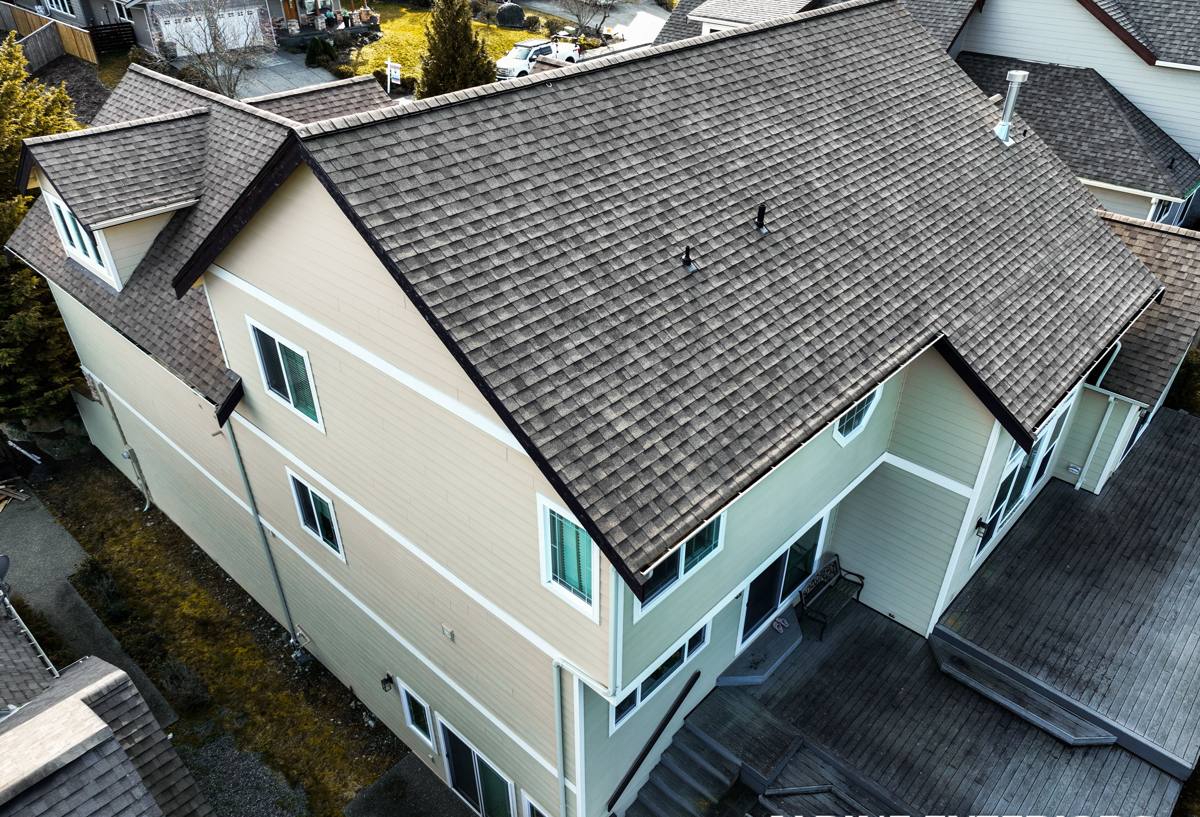
Why Birch Point Decks Wear Differently
Three things drive most of the deck problems we see near the water in this part of Whatcom County:
Salt Air and Metal Fatigue
Airborne salt accelerates corrosion on anything metal — nails, screws, joist hangers, ledger flashing. Once a fastener starts rusting, it loses grip strength long before it looks obviously bad. On a lot of Birch Point decks, the wood itself is still sound but the hardware holding it together isn't, which is exactly the kind of problem that doesn't show up until someone puts weight on the wrong spot.
Driving Rain and Trapped Moisture
Wind off the water doesn't just add rainfall, it pushes rain sideways into places that were designed to stay dry — under railings, behind fascia boards, into the ledger-to-house connection. Decks that would be fine with straight-down rain end up with chronic damp spots because the water is arriving at an angle.
Extended Moss and Algae Season
Cooler, moist air off the Strait keeps moss and algae active on deck surfaces for much of the year. Beyond looking bad, a mossy deck surface holds moisture against the wood and becomes slick and genuinely unsafe underfoot, especially on stairs.
What a Correct Repair Actually Involves
A lot of deck "repairs" amount to replacing the board you can see and calling it done. That approach tends to fail again within a season or two near the water, because it doesn't address what caused the damage. Our repairs start by tracing the problem to its source.
Structural Inspection First
Before we touch a board, we check the framing underneath — joists, beams, posts, and especially the ledger board where the deck attaches to the house. That connection is the single most common source of hidden rot on older decks, because it's the hardest area for water to escape once it gets in.
Fastener and Hardware Condition
We check joist hangers, structural screws, and any exposed metal for rust and pitting. In a salt-air environment, hardware often needs replacing well before the wood around it does. Reusing corroded fasteners in a repair is a shortcut that just moves the next failure a couple of years down the road.
Drainage and Airflow Underneath
Decks that sit low to the ground or lack airflow underneath dry out slower after rain. Where it's practical, we address grading, gaps, or ventilation issues as part of the repair rather than just patching the surface symptom.
Common Repairs We Handle in Birch Point
| Issue | What's Usually Happening | Typical Fix |
|---|---|---|
| Soft or spongy boards | Moisture trapped between boards or under a worn finish | Replace affected boards, address the moisture source |
| Rusted fasteners, staining around screw heads | Salt-air corrosion of standard hardware | Replace with corrosion-resistant fasteners rated for coastal use |
| Rot at the ledger board | Water intrusion where deck meets house, often flashing failure | Remove damaged framing, correct flashing, rebuild connection |
| Loose or wobbly railings | Post base rot or fastener failure from repeated wetting | Sister or replace posts, re-secure with proper hardware |
| Persistent moss/algae film | Extended damp season, limited sun exposure | Clean, treat, and advise on surface options that shed moisture better |
| Stair failure or excessive flex | Undersized or corroded stringers, loose connections | Reinforce or rebuild stringers to current framing practice |
Repair vs. Rebuild: How We Make the Call
Not every deck with problems needs to come down. We look at three things to decide whether repair or a partial rebuild makes more sense:
- Framing condition — if joists, beams, and posts are structurally sound, targeted repair is usually the right call.
- Extent of the damage — isolated rot at a ledger or a handful of boards is a repair; rot spread across multiple structural members points toward rebuilding that section.
- Age and material — an older deck built with untreated or lower-grade lumber may be past the point where repair is the economical choice, especially if it's already had multiple patch jobs.
We'll always tell you honestly which category your deck falls into rather than defaulting to the bigger job.
Materials: What Holds Up Near the Water
Material choice matters more in Birch Point than it does further inland, because the margin for error with moisture and salt exposure is smaller. A few honest trade-offs worth knowing:
Pressure-Treated Lumber
Still the most common and most economical framing and decking material. It holds up well when properly maintained, but it does require periodic sealing and inspection, especially at ground contact points and fastener locations, to get full life out of it in a coastal environment.
Composite and Capped Boards
Composite decking resists rot and doesn't need staining, which appeals to a lot of homeowners tired of yearly maintenance. The trade-off is upfront cost and the fact that not all composite products handle constant damp/dry cycling equally well — quality and installation technique matter more here than the marketing suggests.
Fasteners and Hardware
Whatever the decking material, we use fasteners and structural hardware rated for coastal or high-corrosion environments on repair work in this area. Standard interior-grade hardware is a false economy near the Strait — it's often the first thing to fail.
Our Repair Process
- On-site assessment — we walk the full deck, check framing from underneath where accessible, and identify both visible damage and likely hidden issues.
- Honest scope and estimate — you get a clear explanation of what needs fixing now, what to watch, and a written estimate before any work starts.
- Removal of damaged material — we pull only what needs to come out, checking as we go for damage that extends further than it first appeared.
- Structural correction — framing, flashing, and hardware issues get addressed, not just covered over.
- Rebuild and finish — new boards, railings, or stairs installed to match the existing deck where possible, with corrosion-resistant fasteners throughout.
- Final walkthrough — we go over what was done and what maintenance will keep it in good shape given the local climate.
Maintenance Habits That Extend the Life of a Birch Point Deck
- Rinse salt residue off deck surfaces and railings periodically, especially after storms with onshore wind.
- Keep gutters and downspouts clear so roof runoff isn't dumping extra water onto or near the deck structure.
- Clean moss and algae off surfaces before it builds up a thick film — a stiff brush and deck cleaner goes a long way if it's caught early.
- Check fastener heads and hardware once a year for early signs of rust staining.
- Reseal or restain pressure-treated wood on the manufacturer's recommended cycle rather than waiting until it visibly needs it.
- Look underneath the deck once a year, not just at the surface — that's where problems usually start.
Why Local Experience Matters for This Job
A deck repair crew that mostly works dry-climate jobs inland will often underestimate what a Birch Point deck is dealing with. We work siding and exterior repair throughout the Blaine area and see the same salt-air and moisture patterns on decks that we see on siding, trim, and flashing — which means we're already tuned to look for the failure points that show up specifically near the water in Whatcom County. That translates to fewer surprises during the job and a repair that's built for the conditions it actually has to survive, not generic ones.
If you've got a deck in Birch Point that's showing soft spots, rust staining, a wobbly rail, or just needs an honest structural once-over, we're glad to take a look. Fill out the form below for a free, no-pressure estimate.