 Blaine Siding
 Sandy Point Sits Right at the Edge of the Weather
Sandy Point is one of the more exposed residential pockets in Whatcom County. Homes here face open water, wind that doesn't lose much speed before it hits a wall, and a wet season that runs longer than most inland neighborhoods ever deal with. Siding that would hold up fine a few miles inland can start showing problems within a handful of years out here — not because it was installed badly, but because it was never built for this kind of exposure in the first place.
We install siding on Sandy Point homes on a regular basis, and the pattern is consistent: salt air breaks down finishes and fasteners faster, wind-driven rain finds every gap in flashing and trim, and moss gets a running start every fall and doesn't let go until late spring. A siding installation here isn't just a cosmetic job — it's the first line of defense for the structure underneath.
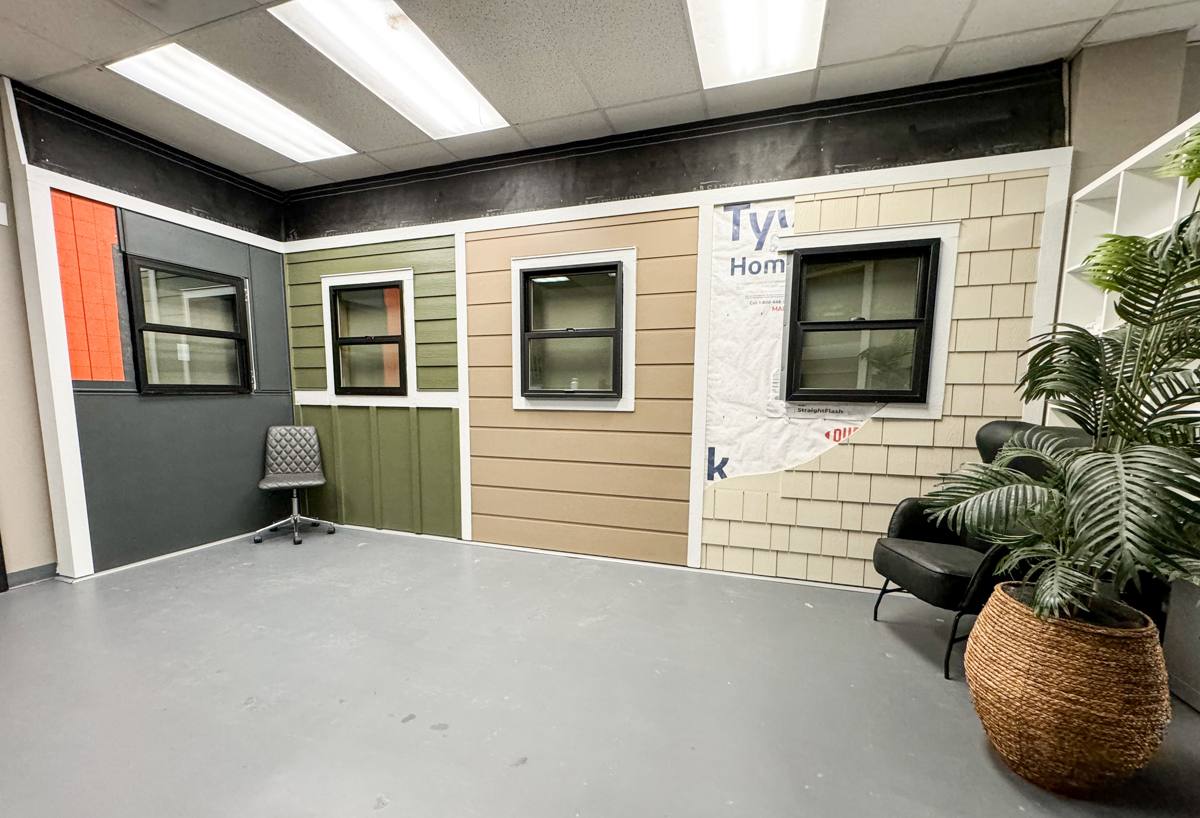
What Salt Air, Driving Rain, and Moss Season Actually Do to Siding
Salt Air
Airborne salt is corrosive and it's persistent. It settles on painted and coated surfaces, accelerates the breakdown of paint film, and attacks unprotected metal fasteners, flashing, and trim. On lower-grade siding products, salt exposure shows up as chalking, fading, and early paint failure — often on the water-facing side of the house years before the rest of the siding shows wear.
Driving Rain
Rain that falls straight down is a manageable problem. Rain that's being pushed sideways by wind off the water is a different challenge — it gets forced up under laps, into seams, and behind trim that would stay dry in a calmer location. Siding installations in wind-exposed spots need tighter attention to lap coverage, flashing details, and drainage behind the cladding, because the margin for error is smaller.
Moss Season
Whatcom County's wet season stretches long, and Sandy Point's proximity to water keeps humidity and shade-driven dampness around even longer in some spots. Moss and algae need moisture and time to establish, and a siding surface that stays damp for months at a stretch gives them both. Once moss gets a foothold in a seam or behind a piece of trim, it holds water against the material and keeps it wet long after the rest of the house has dried out.
Why We Only Install James Hardie Fiber Cement
We made a decision a while back to standardize on James Hardie fiber cement siding and stop installing vinyl, LP SmartSide, primed spruce, cedar, and other fiber-cement alternatives like Cemplank or Allura. That's not a marketing position — it's a practical one, built on what actually holds up in exposure like Sandy Point gets.
- Non-combustible core: Hardie's fiber cement won't feed a fire the way wood-based or vinyl products can, which matters for insurance and peace of mind alike.
- Engineered for the climate: Hardie's HZ5 product line is formulated specifically for the wetter, cooler Pacific Northwest, with moisture and freeze-thaw performance that generic siding isn't engineered around.
- ColorPlus factory finish: a baked-on finish that resists the fading and chalking salt air causes far better than field-applied paint, and it's backed by its own finish warranty.
- Dimensional stability: fiber cement doesn't swell, warp, or rot the way wood-based siding can when it stays damp for weeks at a time — a real issue in a long moss season.
- Strong transferable warranty: a meaningful backstop for a homeowner, and one that can transfer to a future buyer if the home is sold.
Vinyl can crack in cold snaps and warp under sun exposure, and its seams and J-channel give wind-driven rain more places to work their way in over time. Wood-based products like LP SmartSide and cedar look good going up, but they depend on an intact factory or field coating to keep moisture out — and once that coating is compromised in a wet, salt-exposed environment, the substrate underneath is vulnerable in a way fiber cement simply isn't. We'd rather tell a homeowner that up front than sell a product we know is a poor fit for where they live.
What a Correct Installation Looks Like on a Sandy Point Home
Buying the right siding is only half the job. How it goes on the wall determines whether it performs the way it's supposed to for the next several decades. On a wind- and salt-exposed lot, a handful of details matter more than they would on a sheltered inland home:
Drainage Plane and Rainscreen
A weather-resistive barrier behind the siding, properly lapped and sealed at every penetration, is the actual water management system — the siding is the first defense, the barrier is the backstop. On exposed elevations we pay particular attention to creating a drainage gap that lets any moisture that does get behind the cladding find its way back out instead of sitting against the sheathing.
Flashing and Trim
Windows, doors, and any roof-to-wall transitions are where driving rain finds weak spots first. Flashing has to be integrated with the barrier system correctly, not just caulked over, and trim has to be sealed and fastened in a way that won't work loose under repeated wind loading.
Fastening and Lap Coverage
Hardie specifies fastener type, spacing, and lap dimensions for a reason — get them wrong and you create small gaps that wind-driven rain will exploit over years of exposure. We follow manufacturer installation specs closely, not as a formality but because it's the difference between siding that performs for 30-plus years and siding that starts failing at the seams in a decade.
Clearance and Ventilation
Keeping the bottom edge of siding clear of grade, decks, and roof lines, and making sure crawlspaces and attic spaces are properly ventilated, keeps moisture from building up behind the wall assembly — a bigger factor in a long moss season than most homeowners realize.
Our Process, From Estimate to Finished Siding
- On-site assessment: we walk the exterior, check the condition of the existing siding, sheathing, and trim, and look specifically at how wind and rain hit the house from the water side.
- Written estimate: a clear scope covering removal, any sheathing or barrier repair needed, the Hardie product line and profile, color, and trim details — no vague allowances.
- Prep and tear-off: old siding comes off, the sheathing gets inspected for hidden moisture damage, and any repairs are made before anything new goes on.
- Weather barrier and flashing: installed and detailed around every window, door, and penetration before the first piece of siding goes up.
- Hardie installation: installed to manufacturer spec for fastening, lap, and clearance, with extra attention on wind-exposed elevations.
- Final walkthrough: we go over the finished work with the homeowner and confirm trim, caulking, and touch-ups are complete.
Siding Materials in a Salt Air, High-Wind Environment
| Material | Salt Air Resistance | Moisture/Rot Risk | Finish Longevity | Fire Resistance |
|---|---|---|---|---|
| James Hardie Fiber Cement (HZ5) | Strong | Very Low | Long — factory ColorPlus finish | Non-combustible |
| Vinyl | Moderate — can chalk/fade | Low, but seams allow water intrusion | Moderate — no repaint option | Combustible |
| LP SmartSide / Wood-Based | Weak without intact coating | High if coating fails | Depends on maintenance | Combustible |
| Cedar | Weak without regular maintenance | High — prone to rot, cupping | Short — needs recoating | Combustible |
What Drives the Cost of a Siding Installation Here
| Factor | Why It Matters in Sandy Point |
|---|---|
| Existing siding removal | Old wood or vinyl siding often hides moisture damage that has to be repaired before new siding goes on |
| Sheathing and barrier condition | Wind-driven rain over the years can compromise the barrier or sheathing behind older siding |
| Hardie product line and profile | HZ5 lines, plank width, and texture (smooth vs. cedar-look) affect material cost |
| Trim and accessory work | Corner boards, window trim, and fascia detailing add labor, especially on wind-exposed elevations |
| Site access | Tighter lots and private-road or gated access can affect staging and delivery logistics |
| Color and finish | ColorPlus factory finishes cost more up front but avoid repainting costs down the line |
Why a Crew That Already Works Sandy Point Matters
Sandy Point isn't a typical suburban subdivision. Many homes here sit on private roads or association-controlled access, lots can be tight, and staging materials and equipment takes more planning than it would on a standard street. A crew that has already worked in the neighborhood knows how to plan deliveries, protect landscaping on narrow lots, and keep a project moving without creating headaches for the homeowner or the neighbors.
There's also a practical climate reason to hire local: a contractor who works Whatcom County's waterfront neighborhoods regularly has already seen how salt air and wind-driven rain affect siding installations over time, and builds those lessons into how they flash, fasten, and detail the job — not just how they meet code minimums.
What to Ask Before You Hire a Siding Contractor
- Are you a certified James Hardie installer, and do you follow Hardie's published fastening and clearance specs?
- Will you inspect and repair the sheathing and weather barrier before installing new siding, not just cover over what's there?
- How do you detail flashing around windows, doors, and roof-to-wall transitions on wind-exposed sides of the house?
- Is the estimate a fixed written scope, or does it leave room for open-ended allowances?
- Have you installed siding on other homes in Sandy Point or comparable waterfront lots in Whatcom County?
Signs Your Current Siding Is Losing the Battle
- Moss or algae building up in seams, under trim, or on the water-facing side of the house
- Paint that's chalking, fading, or peeling faster on one elevation than the others
- Soft spots, cupping, or visible warping in wood-based siding
- Staining or discoloration around window and door trim, which often points to water getting behind the siding
- Caulk that's cracked or pulled away from trim and corner boards
None of these are emergencies by themselves, but on a wind- and salt-exposed property they tend to get worse faster than they would elsewhere in the county — worth having looked at before a small problem becomes a bigger repair.
If you're weighing a siding project on a Sandy Point home, we're happy to take a look and walk you through what we're seeing, with no pressure to sign anything on the spot. Fill out the form below for a free estimate.