 Blaine Siding
 Windows Built for Sandy Point's Waterfront Exposure
Sandy Point sits close enough to the water that its homes take a different kind of weathering than houses just a few miles inland in Blaine. Salt-laden air moves off Semiahmoo Bay and settles on everything it touches, wind-driven rain finds its way into gaps that would stay dry elsewhere in Whatcom County, and the long gray moss season keeps exterior surfaces damp for months at a stretch. Windows out here don't fail because they were installed carelessly ten or twenty years ago — they fail because they were never built to handle this specific combination of conditions in the first place.
We install custom windows for homes in and around Sandy Point regularly enough to know which failure patterns show up first, which materials hold up, and which installation details actually matter once the weather starts working against the house. This page focuses on that one job, done right, for this one area.
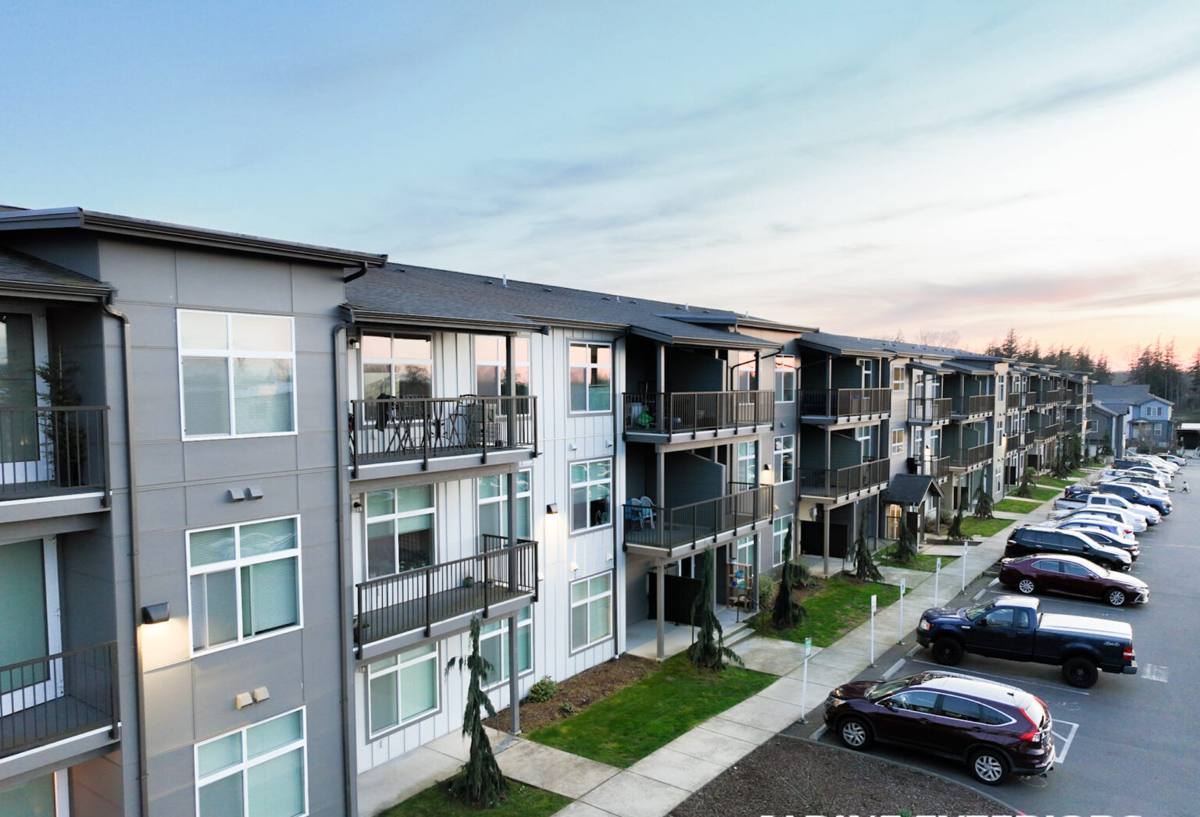
What Salt Air and Coastal Moisture Do to Windows Over Time
Every window has hardware — hinges, cranks, locks, balance mechanisms — and hardware is usually the first thing to show wear in a salt-air environment. Even components rated for exterior use can start to pit, stiffen, or corrode faster here than they would ten miles inland. Aluminum frames are especially vulnerable to pitting and oxidation near the water unless they carry a marine-grade finish, which is one reason we steer most Sandy Point customers away from bare aluminum for anything facing open water or prevailing wind.
The Three Things We Watch For
- Hardware corrosion — cranks and locks that bind or discolor well before the glass or frame shows any wear
- Seal and gasket breakdown — weatherstripping that hardens or shrinks faster under repeated salt and moisture cycling
- Sash and frame swelling — wood components that absorb moisture during the wet season and don't fully dry out before the next round starts
None of these are defects in a well-made window. They're the predictable result of putting an ordinary window in a coastal spot. The fix isn't a better caulk job — it's choosing materials and finishes suited to the exposure from the start.
Driving Rain and Wind-Driven Water Intrusion
Blaine's storms don't always come straight down. When wind pushes rain sideways against a wall, water gets forced into places gravity alone would never take it — under sills, behind trim, around a rough opening that was never properly flashed. This matters more in Sandy Point than in more sheltered parts of Whatcom County because there's less to break the wind before it hits the house.
A custom window replacement is the right time to correct flashing and moisture-barrier details that may have been done to minimum code, or done poorly, on the original install. We integrate window flashing with the house wrap or weather-resistive barrier so water is directed out and down, never trapped behind the siding. If we open a wall and find rot, staining, or a barrier that was never properly lapped, we tell you before we button it back up — not after.
Signs Water Is Already Getting In
- Soft or discolored drywall or trim below or beside a window
- Peeling paint or bubbling on interior sills
- A musty smell near windows that gets worse in wet weather
- Visible staining on exterior siding running down from a window corner
- Condensation that collects between panes rather than on the interior glass surface
Moss Season and What It Means for Window Trim and Sills
Whatcom County's moss season is long, and it doesn't just grow on roofs. Anything horizontal or slow-draining near a window — sills, exterior trim, the tops of casings — can stay damp long enough for moss and algae to get a foothold, especially on the shaded or north-facing side of a Sandy Point home. Wood trim that holds moisture under a moss mat rots faster than trim that's allowed to dry between rain events. When we install custom windows, we pay attention to sill pitch and drainage so water sheds away from the frame instead of sitting on it, and we're honest about which exterior trim materials will hold up without constant upkeep versus which ones need to be cleaned and inspected every year.
Choosing the Right Window Material for This Location
There's no single "best" window material — there's the right one for a given exposure, budget, and look. For Sandy Point specifically, exposure to salt air and driving rain narrows the field.
| Material | How It Handles Salt Air & Moisture | Maintenance | Best Fit |
|---|---|---|---|
| Vinyl | Doesn't corrode; performs consistently in coastal air | Low — occasional cleaning | Budget-conscious replacements, rental or secondary homes |
| Fiberglass | Excellent — dimensionally stable, resists salt and moisture damage | Low | Homes wanting long service life with minimal upkeep |
| Wood-clad (exterior clad, wood interior) | Good if cladding and flashing details are correct; exposed wood needs protection | Moderate | Homeowners wanting a traditional wood interior look with a protected exterior |
| Bare aluminum | Poor near open water without marine-grade finish | High | Generally not our first recommendation for direct waterfront exposure |
We'll walk through these trade-offs with you in person, based on which side of your house faces the water and prevailing wind, before you commit to anything.
What a Correct Custom Window Job Involves
"Custom" means the window is built to fit your specific rough opening rather than forcing your opening to fit a stock size — important in older Sandy Point homes where framing has settled or shifted over the years. A correct job includes:
- Accurate measurement of each opening, accounting for any out-of-square or settled framing
- Selection of frame material, glass package, and hardware finish suited to the home's specific exposure
- Removal of the old unit with inspection of the framing and sheathing underneath for hidden rot or moisture damage
- Proper flashing integration with the existing weather barrier — not just caulk over the gap
- Shimming and leveling so the sash operates smoothly for years, not just on install day
- Interior and exterior trim finished to match the home
- A final operational check — every window should open, close, and lock cleanly before we leave
Glass and Performance Options Worth Discussing
Standard double-pane glass is fine for many homes, but a few upgrades are worth a real conversation for a Sandy Point property specifically:
- Low-E coatings — help manage heat loss through the long, cool Whatcom County winters without darkening the view of the water
- Argon or krypton gas fill — modest but real improvement in insulating performance, useful on a home with a lot of glazing facing exposed wind
- Impact-resistant or laminated glass — worth discussing for homes with unobstructed exposure to storm-driven debris
- Corrosion-resistant hardware finishes — often a better dollar-for-dollar upgrade than a glass package, since hardware is what actually fails first here
We don't push upgrades that don't match the house. If a standard package is the right call for your budget and exposure, we'll say so.
Our Process for Sandy Point Projects
Because a lot of our work in this area involves replacing windows that were never suited to the site to begin with, we start every job with a real look at the existing conditions, not just a measurement.
What to Expect
- An in-person visit to assess exposure — which walls take direct wind and rain, which stay sheltered
- A frank conversation about material options and realistic maintenance expectations for this location
- A written estimate with the scope, materials, and timeline spelled out before any work begins
- Careful removal and inspection of existing framing once the old windows are out
- Installation with attention to flashing, drainage, and sill pitch specific to a coastal, high-moisture site
- A final walkthrough so you can see and test every window before we consider the job done
Why Local Experience with This Exact Exposure Matters
A crew that mostly works drier, inland jobs can still do competent general carpentry, but they may not think twice about hardware finish, sill drainage, or flashing sequencing the way a crew that works Sandy Point and the Blaine waterfront regularly does. We've seen which details hold up out here and which ones come back as callbacks in a year or two. That's the difference between a window that looks right on install day and one that's still performing well after a few full seasons of salt air, driving rain, and moss.
If you're dealing with drafty, corroded, or leaking windows in Sandy Point, we're happy to come take a look and give you a straightforward, no-pressure estimate — use the form below to get started.