 Blaine Siding
 New Construction on Semiahmoo Isn't a Standard Window Job
Semiahmoo sits out on the water in a way most Whatcom County neighborhoods don't. The spit and the shoreline lots around it face open water on more than one side, which means wind, salt spray, and driving rain reach these homes with more force and more frequency than a typical inland Blaine lot a few miles away. When you're building new, the windows you choose and how they're installed become part of the building envelope for decades — there's no "we'll fix it later" once the siding, trim, and interior finish are closed up around them. Getting it right the first time matters more here than almost anywhere else in the county.
This page is about one job: installing windows during new construction on a Semiahmoo property, in the conditions that are specific to this stretch of coastline. It's not a generic replacement-window page with the city name swapped in.
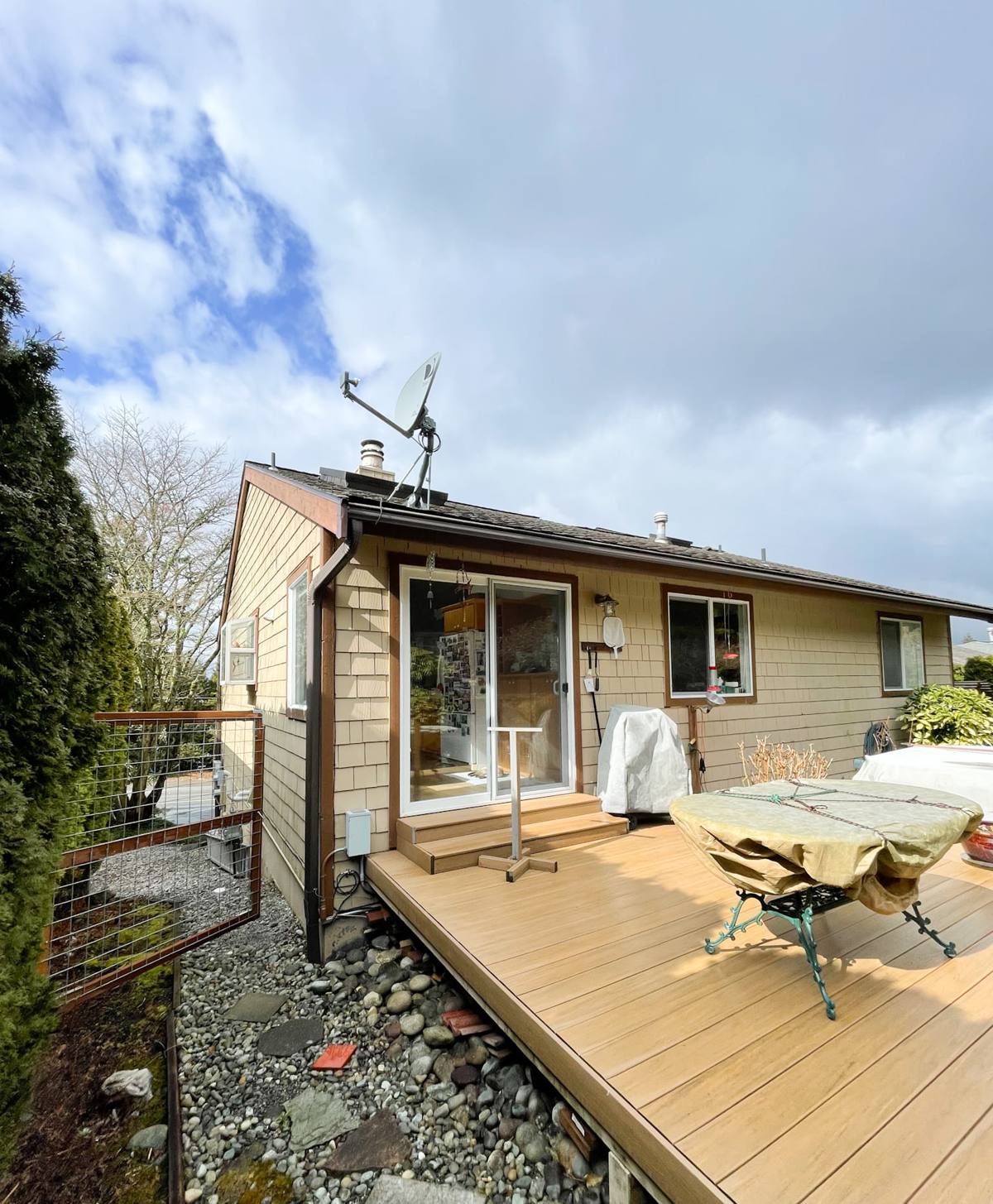
What the Semiahmoo Climate Actually Does to a Window Opening
Salt Air and Corrosion
Homes close to Semiahmoo Bay and the spit take on salt-laden air more or less constantly. Over years, that air attacks unprotected fasteners, cheap flashing metals, and lower-grade hardware — hinges, cranks, and locking mechanisms start to bind or corrode well before the glass or frame shows any wear. On a new build, this is the easiest problem to design out from day one, because you're choosing hardware and flashing materials before anything is buried behind trim.
Wind-Driven Rain
Rain here doesn't just fall — on exposed lots it comes in sideways off the water. That changes how a window opening has to be flashed and sealed. A window that would perform fine on a sheltered inland lot can leak on a Semiahmoo elevation facing the water if the flashing sequence, sill pan, or sealant joints aren't done correctly. Wind-driven rain finds every gap a light rain would never find.
A Long Moss Season
Whatcom County's moss and algae season runs long — cool, damp weather sits on the region for much of the year. Anywhere water can pool or linger against a sill, trim board, or the base of a window becomes a spot where moss and green growth take hold, and that growth holds moisture against wood and finishes even longer. New-construction detailing — proper slope on sills, drainage paths, and gaps that let water shed instead of collect — is the real defense, not a coating applied after the fact.
Getting the Building Envelope Right Before the Siding Goes On
New construction gives you one real advantage over a replacement job: access. The weather-resistive barrier (WRB), the rough opening, and the flashing are all exposed and workable before siding, trim, or interior finishes close things up. On a Semiahmoo build we treat that access as the whole point.
- Rough opening check: confirmed square, level, and sized correctly to the window unit before anything is set — a slightly out-of-square opening is far easier to correct now than after the window is in.
- Sill pan flashing: a sloped, sealed pan under every opening so any water that does get past the window has a path back out instead of soaking into the framing.
- WRB integration: the housewrap or weather barrier is lapped and sealed with the window flashing in the correct shingle-style order — head flashing over the WRB, side and sill flashing tied in beneath it — so water sheds down and out at every layer, not into the wall cavity.
- Fastening and shimming: the unit is shimmed square and fastened per the manufacturer's schedule, not just "close enough," because an out-of-square window stresses the frame, the seals, and eventually the operation of the sash or crank.
- Sealant joints: backer rod and sealant sized and placed correctly at the exterior joint — too little sealant fails fast, too much can trap moisture rather than let it escape.
This sequence isn't unique to Semiahmoo, but the margin for error is smaller here because wind-driven rain will exploit a shortcut that would go unnoticed on a calmer inland lot.
Choosing a Window Built for This Exposure
Frame material matters more on a waterfront or near-waterfront Semiahmoo lot than it does a few miles inland. There isn't one "correct" answer for every build — budget, the home's design, and how exposed the lot is all factor in — but here's how the common options actually compare in this climate.
| Frame Material | Upfront Cost | Salt Air & Moisture Resistance | Maintenance | Notes for Semiahmoo Exposure |
|---|---|---|---|---|
| Vinyl | Lowest | Good — won't corrode or rot | Low | Solid value option; confirm hardware is rated for coastal use |
| Fiberglass | Mid to high | Very good — dimensionally stable, resists moisture and salt exposure well | Low | Often our recommendation for exposed water-facing elevations |
| Aluminum-clad wood | Highest | Good on the exterior face; interior wood needs protection from any leak | Moderate | Attractive interior finish, but installation quality is critical — any flashing mistake risks the wood underneath |
| Bare wood | High | Poor without diligent upkeep | High | We generally steer clients away from this on direct water-exposed elevations for maintenance reasons |
Hardware is worth the same scrutiny as the frame. On an exposed Semiahmoo elevation, we look for cranks, hinges, and locks with corrosion-resistant coatings or stainless components — the frame can outlast cheap hardware by decades if the hardware isn't rated for salt air.
Meeting Washington's Energy Code Without Guessing
Washington's state energy code sets minimum performance targets for new-construction windows — U-factor limits that control how much heat escapes through the glass and frame. Whatcom County inspectors check this at permit and again at final inspection, so the numbers on the window's label have to match what's on the plans and the code path the builder is using for the home. On a Semiahmoo build, west- and water-facing glass is also worth a conversation about solar heat gain, since larger view windows facing the bay bring in more direct sun exposure than a typical inland elevation. We spec windows to the project's actual code requirements rather than a generic default, and we can walk through the label numbers with you or your builder before ordering.
How We Handle a New-Construction Window Job in Semiahmoo
- Plan review and take-off: we go through the window schedule with you or your builder to confirm sizes, egress requirements, and performance ratings match the plans and code.
- Coordination with the build schedule: windows go in at the right point relative to framing, WRB, and siding — too early or too late in the sequence creates flashing problems that are hard to correct after the fact.
- Rough opening verification: we check every opening before setting glass, and flag anything out of tolerance to the framer rather than force a window into a bad opening.
- Install and flash: sill pan, window, WRB integration, and sealant done in the correct order, elevation by elevation, with extra attention on water- and wind-exposed sides of the house.
- Final check: operation, seals, and trim-ready condition confirmed before we hand the opening back to the next trade.
We work directly with builders and GCs on new construction, which means fewer surprises for you as the homeowner — the window trade is coordinated into the schedule instead of bolted on at the end.
Why a Crew That Already Works Semiahmoo Specifically Matters
Exposure varies a lot from lot to lot even within Semiahmoo — a home tucked behind other structures sees far less direct wind and rain than one sitting open to the bay. A crew that's worked this specific area knows which elevations on which lots need the extra flashing detail and which frame materials hold up, instead of applying one generic approach to every house in Whatcom County. Semiahmoo is also a planned community with its own architectural guidelines in places, so window styles, sightlines, and exterior finishes sometimes need to fit within community standards — worth confirming early rather than after the windows are ordered. Local experience means fewer change orders and fewer surprises for you or your builder.
New-Construction Window Checklist for a Semiahmoo Build
- Frame material matched to the lot's actual wind and water exposure, not a default choice
- Hardware rated for salt air — corrosion-resistant coatings or stainless components
- Sill pan flashing on every opening, sloped to shed water out
- WRB and window flashing integrated in the correct shingle-lap order
- Rough openings verified square and correctly sized before install
- Sealant joints sized correctly — enough to seal, not so much that moisture gets trapped
- U-factor and performance ratings confirmed against Washington energy code requirements
- Sill and trim details that slope water away rather than let it pool and grow moss
- Timing coordinated with the builder's framing and siding schedule
If you're building on Semiahmoo and want windows specified and installed correctly the first time, we're happy to walk your plans, talk through frame and hardware options for your lot's exposure, and give you a straightforward, no-pressure estimate — just fill out the form below.