 Blaine Siding
 Siding in the California Creek Area: A Different Set of Conditions
Homes around California Creek sit in a stretch of Whatcom County where marine air, low-lying drainage, and heavy tree cover all combine on the same lot. Some houses here are tucked back under fir and cedar with plenty of shade year-round; others sit more open, closer to the pull of wind off the water near Blaine. Either way, siding here is doing more work than siding on a dry inland lot, and it needs to be installed with that in mind from the first course to the last piece of trim.
This page covers siding installation specifically for the California Creek area — what the local climate does to exterior materials, what a correct installation actually involves, how our process works, and why it matters to hire a crew that already knows this stretch of Whatcom County rather than one learning it on your house.
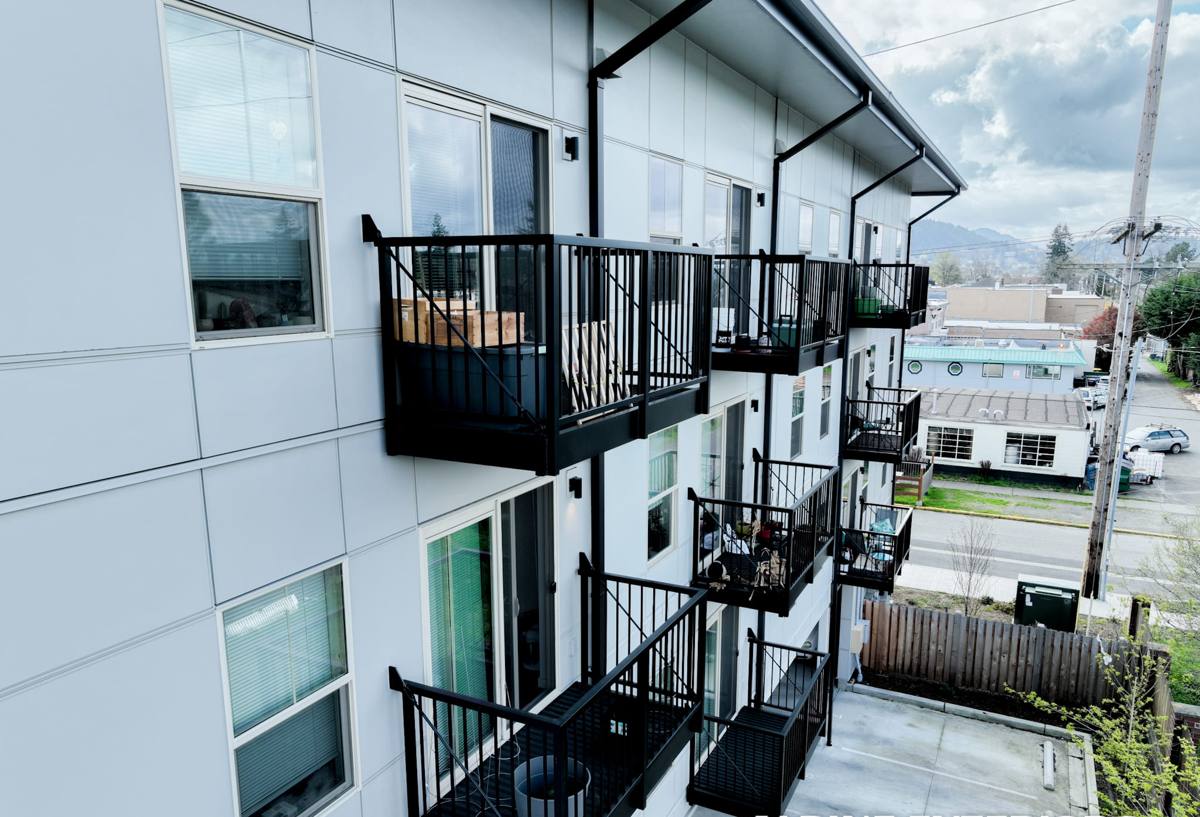
What Salt Air, Rain, and Moss Actually Do to Siding
Salt Air and Metal Corrosion
Blaine's proximity to Semiahmoo Bay and the Strait of Georgia means salt-laden air reaches well inland, not just along the immediate shoreline. Over years, that air accelerates corrosion on anything metal — fasteners, flashing, trim screws, even some manufacturer-branded hardware that isn't rated for coastal exposure. When corrosion-prone fasteners are used behind or through siding, the first sign of trouble is often a rust streak bleeding through paint, which usually means moisture has already found a path inward.
Driving Rain and Wind-Driven Moisture
Whatcom County's marine west coast climate means rain that doesn't just fall straight down — winter storms push it sideways against west- and southwest-facing walls. On a correctly installed wall, that's a non-issue; the water-resistive barrier and flashing details handle it. On a wall with gaps in the housewrap, missing kick-out flashing, or caulk used as a substitute for proper flashing, driving rain finds every weak point over time, usually well before the damage becomes visible from the outside.
Moss, Shade, and Moisture Retention
The tree cover common around California Creek keeps siding shaded and damp longer after a rain than siding on a more open lot. That extended dampness is exactly what moss and algae need to establish. Moss on siding isn't just cosmetic — it holds moisture against the surface, which shortens the life of paint finishes and, on materials that aren't dimensionally stable when wet, can contribute to swelling, cupping, or delamination over repeated wet-dry cycles.
What a Correct Siding Installation Actually Involves
A siding job that looks right from the curb can still be wrong behind the surface. The details that matter most in a climate like this happen before the first plank ever goes up.
Water-Resistive Barrier and Flashing
Every penetration — windows, doors, hose bibs, light fixtures, vents — needs to be flashed so water sheds outward and down, never sideways into a seam or behind the barrier. Housewrap laps need to run correctly (upper courses over lower, never reversed) and be sealed at every seam and fastener. This is the layer that actually keeps a wall dry; the siding itself is the second line of defense, not the first.
Fastening and Clearances
Fiber cement siding has specific fastening requirements — nail type, spacing, and penetration depth all affect how the wall performs over time, and using the wrong fastener in a salt-air environment shortens its service life. Clearances matter just as much: siding held too tight to grade, a roofline, or a deck surface will wick moisture instead of shedding it, which is one of the most common causes of early rot we see on homes that weren't installed to spec.
Joint Treatment and Caulking
Butt joints, corners, and trim intersections need to be treated as part of the water management system, not patched with caulk after the fact. Caulk has a service life of its own and will eventually fail; a wall that depends on caulk to stay dry is a wall that's going to need attention sooner rather than later.
Why We Install Only James Hardie Fiber Cement
We don't install vinyl, LP SmartSide, primed wood, or other fiber cement brands. That's a deliberate standard, not a lack of options. For a climate that combines salt air, sustained dampness, and a long moss season, the material itself needs to hold up on its own — not just for the first few years, but for decades.
Climate-Engineered for This Region
James Hardie's HZ5 product line is engineered for the moisture and freeze-thaw conditions of the Pacific Northwest, which is the relevant zone for Blaine and the rest of Whatcom County. Fiber cement is non-combustible and dimensionally stable when it gets wet — it doesn't swell, cup, or absorb water the way wood-based products can, which matters directly on a shaded, damp lot near a creek corridor.
Factory Finish vs. Field-Applied Paint
ColorPlus finish is baked on at the factory under controlled conditions, which gives it better fade and moisture resistance than paint applied on site after installation — and it comes with its own finish warranty separate from the product warranty. In an environment where moss growth and salt exposure already put extra stress on a painted surface, that factory-cured finish is doing real work, not just adding convenience.
Our Installation Process for a California Creek Project
- Site walk and assessment — we look at sun exposure, tree cover, drainage, and wind exposure specific to your lot, since two houses a quarter mile apart here can face different conditions.
- Tear-off and substrate check — old siding comes off and the sheathing underneath gets inspected for hidden rot or water damage before anything new goes up.
- Water-resistive barrier and flashing — housewrap, window and door flashing, and any penetration flashing are installed to manufacturer spec, correctly lapped and sealed.
- Hardie installation — panels or planks are fastened per Hardie's published requirements, with proper clearances at grade, rooflines, and decks.
- Trim, joints, and finish detailing — corners, butt joints, and trim are finished to shed water rather than rely on caulk alone.
- Final walkthrough — we go over the finished work with you before calling the job done.
Mistakes We See on Older or Improperly Installed Siding
Whether it's a prior installation or years of deferred maintenance, a few patterns show up repeatedly on homes in this area:
- Fasteners driven too tight or too shallow, leaving the siding unable to move slightly with temperature and moisture changes
- Missing or undersized kick-out flashing where a roofline meets a wall, sending roof runoff directly behind the siding
- Caulk used in place of proper flashing at trim and window edges
- Siding installed tight to grade or a deck surface, with no clearance for water to drain away
- Heavy moss buildup on north- and shade-facing walls left untreated for years, holding moisture against the surface
Maintaining Siding in a Coastal, Creek-Adjacent Climate
Even the right product installed correctly still benefits from basic upkeep in this environment. Keeping gutters clear so runoff doesn't sheet down the wall, trimming back vegetation that keeps siding in constant shade, and treating moss before it builds up all extend the life of the finish. A quick visual check after major fall and winter storms — looking for lifted trim, cracked caulk joints, or new staining — catches small issues before they become bigger repairs.
Cost Factors for a California Creek Siding Project
Every project is different, but the same handful of factors tend to drive cost up or down on jobs in this area:
| Factor | Why It Matters | Typical Impact |
|---|---|---|
| Tear-off and disposal of old siding | Adds labor and hauling before new siding can go up | Moderate |
| Hidden sheathing or framing repair | Only discovered once old siding is off; common on shaded, damp walls | Variable, can be significant |
| Home size and wall complexity | More corners, gables, and trim intersections mean more detail work | Moderate to significant |
| Lot access and staging | Wooded or tight lots near the creek corridor can slow material staging | Modest |
| Siding profile and accessory trim | Panel vs. lap profiles and decorative trim change material and labor needs | Modest to moderate |
Why a Local Crew That Knows This Area Matters
A crew that already works around California Creek and greater Blaine has seen how these lots behave — where moss builds up fastest, which walls take the worst of the driving rain, and what a house near the water actually needs versus a generic installation spec. That familiarity shows up in the details: flashing sized for the storms that actually come through Whatcom County, fastener choices that account for salt air, and a finished job that's built to hold up here specifically, not just meet a minimum code requirement.
Before hiring anyone for a siding project in this area, a few questions are worth asking:
- Do they install to the manufacturer's published fastening and clearance specs, or their own shortcuts?
- Will they inspect and address the sheathing underneath, not just cover it up?
- Do they have experience with homes in shaded, damp, or coastal-exposure conditions specifically?
- What does their warranty actually cover, and is it backed by the manufacturer or just the installer?
- Can they explain why they'd flash a given detail a certain way, not just that they will?
If you're weighing a siding project near California Creek, we're happy to walk your property, look at what your home is actually dealing with, and put together a straightforward, no-pressure estimate — no obligation, just an honest look at what it would take to do the job right.