 Blaine Siding
 Birch Point Sits in a Tougher Climate Than Most of Whatcom County
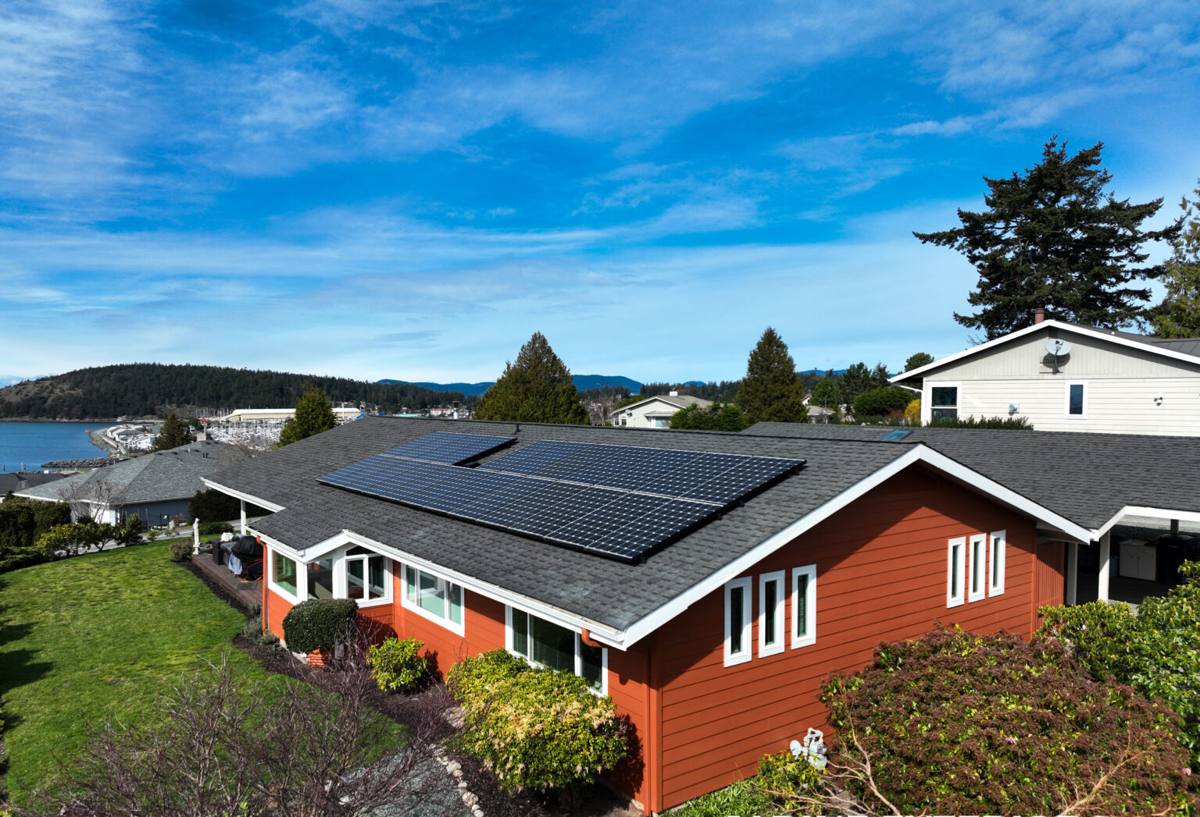
Homes along the Birch Point shoreline take a different kind of beating than houses set back inland. The water isn't just scenery here — it's a constant source of salt-laden air, wind-driven rain, and shade-heavy moisture that never quite dries out between storms. Add in the long, wet moss season that defines this part of Whatcom County, and you've got siding conditions that are genuinely more demanding than what a contractor faces on a typical inland job in Bellingham or Ferndale.
That's the reason a generic siding replacement conversation doesn't really apply to Birch Point. What holds up on a dry, sheltered lot ten miles inland can fail early on a home exposed to open water and prevailing weather. If you're planning a siding replacement here, the details that matter are different, and the material you choose matters even more.
What Salt Air, Driving Rain, and Moss Actually Do to Siding
Each of these three conditions attacks siding in a different way, and Birch Point homes deal with all three at once.
Salt Air
Airborne salt is corrosive to fasteners, trim flashing, and any exposed metal components. On siding materials with painted or coated surfaces, salt exposure also accelerates finish breakdown — chalking, fading, and adhesion failure show up faster near the water than they do a few miles inland. Over years, that means more frequent repainting or, on lower-quality products, premature replacement.
Driving Rain
Wind off the water doesn't just add moisture — it drives rain sideways and forces water into laps, seams, and butt joints that would stay dry in a calm rain event. Siding systems that rely on tight seams and consistent caulking are put to a real test in this kind of weather. Any weak point in the water-management details — flashing, house wrap laps, trim intersections — gets found quickly.
Moss and Sustained Moisture
Whatcom County's moss season runs long, and shaded, north-facing, or tree-lined walls near Birch Point often stay damp for extended stretches through fall, winter, and spring. Moisture that lingers against a wall surface is what allows moss, algae, and mildew to take hold. On materials that absorb water or swell when wet, sustained dampness also raises the risk of rot, warping, and paint failure over time.
Why We Install Only James Hardie Fiber Cement on These Homes
We install James Hardie fiber cement siding exclusively — not vinyl, not LP SmartSide, not primed wood, not cedar. That's a deliberate standard, not a limitation, and it matters more in a location like Birch Point than almost anywhere else we work.
Fiber cement is non-combustible, which is a real advantage in a region where wildfire smoke and ember exposure have become a bigger concern in recent years. It doesn't absorb water the way wood-based products do, so it holds its shape and resists swelling and rot in a climate that stays damp for months at a time. James Hardie's HZ5 formulation is engineered specifically for climates like the Pacific Northwest, accounting for the freeze-thaw cycles, humidity, and rainfall patterns typical of Whatcom County.
The ColorPlus factory-applied finish is also a meaningful difference near the water. Instead of field-applied paint that has to cure on site and is only as good as the weather conditions during installation, ColorPlus finishes are baked on in a controlled factory process, which gives better fade resistance and adhesion — both of which are tested harder by salt air and UV exposure off the water than by inland weather. James Hardie backs its products with a strong transferable limited warranty, which matters on a coastal property where the siding is working harder than average from day one.
We're honest about the trade-off: fiber cement costs more up front than vinyl and is a more involved install than some alternatives. For a Birch Point home, that upfront difference is offset by not having to think about siding failure, repainting cycles, or moisture damage nearly as often.
What a Correct Siding Replacement Actually Involves
Replacing siding on a shoreline-exposed home is not just stripping old material and nailing up new panels. The work that happens underneath the siding determines how the whole system performs for the next several decades.
Tear-Off and Sheathing Inspection
Once the old siding comes off, we inspect the sheathing for rot, soft spots, or existing water damage — which is common on older homes near the water that were sided with materials less tolerant of moisture. Any compromised sheathing gets addressed before new siding goes on. Skipping this step is one of the most common ways a siding replacement fails early, regardless of what material goes over it.
Weather-Resistive Barrier and Flashing
A correctly installed weather-resistive barrier, properly lapped and taped, combined with correct flashing at windows, doors, and roof-to-wall intersections, is what actually keeps driving rain out of the wall assembly. The siding itself is the second line of defense, not the only one.
Fastening and Clearances
James Hardie specifies fastener type, spacing, and placement for a reason — done wrong, panels can crack, pull loose in wind, or trap moisture at the fastener point. We also maintain proper ground clearance and clearance from roof lines, decks, and grade, which reduces the amount of time siding stays wet after rain and helps limit moss and algae growth at the lower courses.
Caulk-Minimized Joinery
Where possible, we detail joints to shed water by design rather than relying on caulk as the primary seal. Caulk fails over time, especially with the flexing and UV exposure common on exposed coastal walls — building the assembly to need less of it is part of doing the job right the first time.
Our Process for Birch Point Projects
- Site visit and assessment — we look at sun exposure, wind exposure, existing moisture or moss damage, and any trouble spots specific to your home's position relative to the water.
- Written estimate — scope, material, and price laid out clearly, with the reasoning behind any recommendations specific to your exposure.
- Tear-off and sheathing check — old siding removed, substrate inspected and repaired as needed before anything new goes up.
- Weather barrier and flashing installation — the moisture-management layer that determines long-term performance.
- James Hardie installation to manufacturer spec — correct fastening, clearances, and joint detailing throughout.
- Final walkthrough — we review the finished work with you and address anything before we consider the job done.
Cost Factors for Siding Replacement Near the Water
Every home is different, but these are the factors that most commonly move the price on a coastal Whatcom County siding replacement:
| Factor | Why It Matters |
|---|---|
| Extent of sheathing damage found at tear-off | Wet or rotted sheathing behind old siding must be replaced before new siding goes on |
| Home size and wall complexity | More corners, dormers, and trim details mean more labor and material cutting |
| Siding profile and accessories chosen | Lap width, trim style, and color selection affect material cost |
| Access and site conditions | Waterfront lots with slopes, limited access, or landscaping can affect staging and labor time |
| Current siding removal | Multiple layers of old material or asbestos-era siding require extra care and disposal steps |
We won't quote a number without seeing the home, but these are the honest variables that move a project up or down in scope.
Why It Matters That We Already Work This Area
A crew that mainly works dry, inland neighborhoods and occasionally takes a job near the water doesn't always plan for the details that matter here — extra attention to flashing at exposed corners, fastener choice given salt exposure, and clearances that account for how long a shaded wall near Birch Point actually stays wet after a storm. Working this stretch of Whatcom County regularly means we're not guessing at how a house on open water behaves differently than one three miles inland; it's what we plan for by default.
Maintaining Your New Siding in a Salt-Air, High-Moss Climate
- Rinse siding periodically to remove salt residue and airborne grime, especially on walls facing the water
- Trim back vegetation and tree cover where possible to reduce shaded, damp wall sections
- Keep gutters and downspouts clear so roof water isn't sheeting down wall surfaces
- Address any moss or algae growth early with a gentle wash rather than letting it establish
- Inspect caulking and trim joints yearly, since coastal UV and salt exposure age sealants faster than inland conditions
- Watch for any soft spots, staining, or discoloration near ground level or under decks, which can signal a moisture issue worth checking
If your Birch Point home is due for new siding, we're happy to take a look and give you a straightforward, no-pressure estimate — no guesswork, no upsell, just an honest read on what your home needs and what it will cost to do right. The form below gets you started.