 Blaine Siding
 Asphalt Shingle Roofing Built for Sumas Conditions
Sumas sits in a part of Whatcom County that takes a steady beating from Pacific weather systems — long stretches of rain, heavy tree cover that keeps roofs shaded and damp, and the kind of humidity that gives moss everything it needs to spread. Add in the salt-laden air that moves inland off the Salish Sea during winter storms, and you have a climate that is genuinely harder on a roof than most manufacturers' warranty testing accounts for. An asphalt shingle roof installed with generic, one-size-fits-all methods will show its age faster here than it would in a drier inland climate. One installed correctly, with the right underlayment, ventilation, and shingle choice for this specific area, will hold up for decades.
This page covers what asphalt shingle roofing actually needs to look like for a Sumas home — not a generic roofing overview, but the specifics that matter for this community.
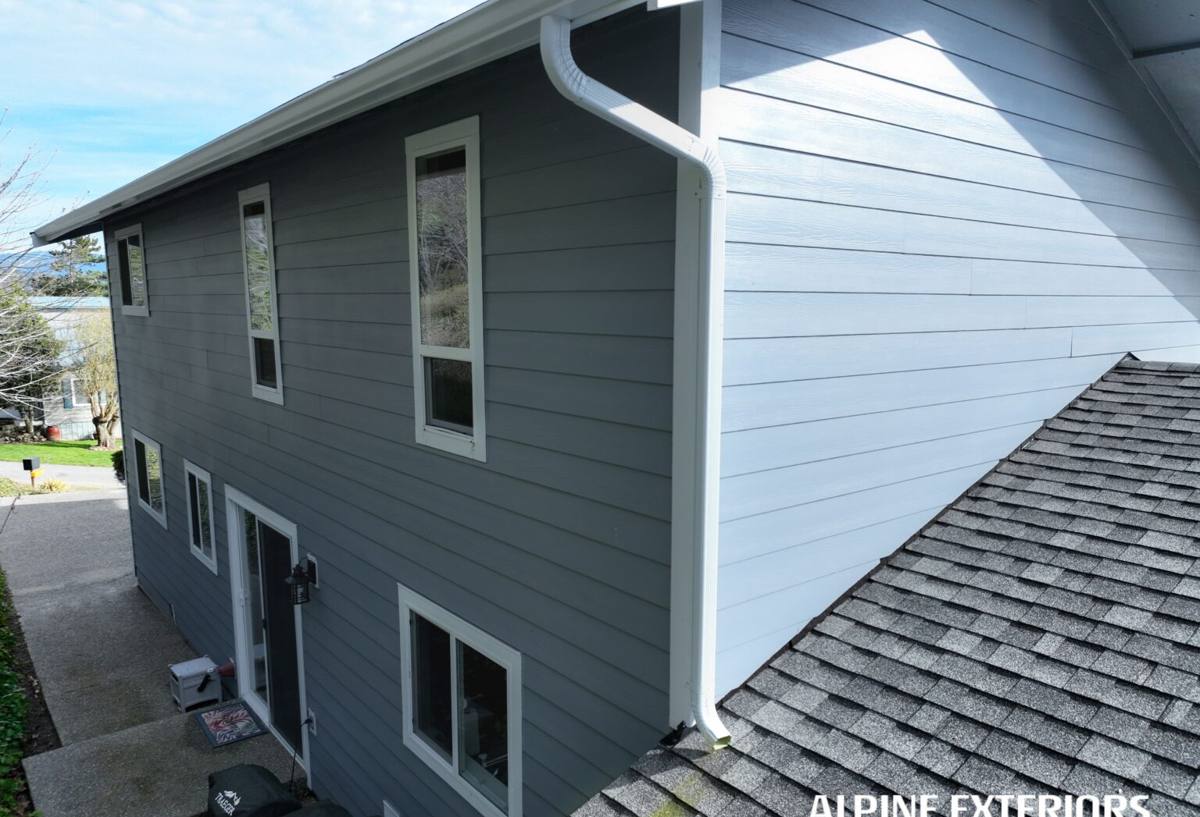
What Whatcom County's Climate Does to a Shingle Roof
Moss and Organic Growth
Sumas gets enough shade from surrounding trees and enough sustained moisture that moss isn't a cosmetic issue — it's a structural one. Moss holds water against the shingle surface long after the rest of the roof has dried, which accelerates granule loss and, over time, lets moisture work its way under shingle edges and into the deck. A roof that looks "mossy but fine" from the ground is often losing years of service life quietly, section by section.
Driving Rain and Wind-Driven Water
Storms coming off the water don't just drop rain straight down — wind pushes it sideways and up under shingle tabs, laps, and around flashing. Standard nailing patterns and basic felt underlayment are made for calmer climates. In this area, water finds every weak seam eventually, which is why sealing detail at valleys, penetrations, and eaves matters more here than in a lot of the country.
Freeze-Thaw and Temperature Swings
Sumas doesn't see extreme cold often, but it does see repeated freeze-thaw cycles through the winter months. Water that's soaked into a shingle or the deck beneath it expands when it freezes, which stresses seams and fasteners over dozens of cycles each season. A roof with poor moisture management ages faster under this pattern than the calendar alone would suggest.
Signs a Sumas Roof Needs Attention
- Dark streaking or green/black patches, especially on north-facing slopes that stay shaded most of the day
- Granules collecting in gutters or at the base of downspouts
- Shingle edges that look curled, lifted, or cupped
- Soft spots or sagging felt underfoot in the attic near the roof deck
- Daylight visible through the roof deck from inside the attic
- Water stains on interior ceilings, especially after a heavy storm
- Flashing around chimneys, vents, or skylights that looks rusted, lifted, or gapped
- Moss buildup at the ridge line, where it's easy to miss from the ground
Any one of these on its own isn't necessarily an emergency. Several together, especially moss combined with granule loss, usually mean it's time for a real inspection rather than a patch job.
What a Correct Asphalt Shingle Installation Actually Involves
Full Tear-Off, Not Layering
Installing new shingles over an existing layer is faster and cheaper up front, but it traps moisture, hides deck damage, and voids most manufacturer warranties. For the climate here, a full tear-off is the only way to actually inspect and correct what's underneath — which matters when moss and driving rain have had years to work on the old roof.
Deck Inspection and Repair
Once the old shingles are off, the plywood or OSB deck gets inspected for soft spots, delamination, or rot — problems that are invisible from above and common in a climate this wet. Any compromised sections get replaced before anything new goes down. Skipping this step is the single most common cause of a "new" roof failing early.
Ice and Water Shield at Vulnerable Points
Self-adhering ice and water membrane goes down at eaves, valleys, and around every penetration — chimneys, vents, skylights. These are the spots where wind-driven rain gets pushed under shingles, and they're the first places a roof fails if this step is shortcut.
Synthetic Underlayment Across the Field
A full synthetic underlayment (not old-style felt, which absorbs and holds water) gives a second line of defense across the whole roof, not just the high-risk areas.
Balanced Attic Ventilation
Intake at the eaves and exhaust at the ridge keep moist air moving out of the attic instead of condensing on the underside of the deck. In a humid climate like this one, poor ventilation is one of the fastest ways to rot a deck from the inside, regardless of how good the shingles above it are.
Correct Nailing and Flashing Detail
Shingles nailed high, at an angle, or with too few fasteners per shingle will loosen under sustained wind and rain. Step flashing at walls and counterflashing at chimneys needs to be layered correctly with the shingle courses, not just caulked over — caulk is a temporary fix, not a flashing method.
Choosing the Right Shingle for This Climate
Not every asphalt shingle product is built the same way, and the differences matter more in a wet, moss-prone climate than they would somewhere dry.
| Shingle Type | Typical Lifespan | How It Handles This Climate |
|---|---|---|
| 3-tab (economy) | 15-20 years | Lower wind resistance and thinner profile; moss and granule loss show up sooner |
| Architectural / dimensional | 25-30 years | Heavier mat and thicker profile hold up better to driving rain and wind; the standard we recommend for most Sumas homes |
| Algae-resistant (copper-infused granules) | 25-30+ years | Granules resist moss and algae growth longer, which matters directly in a shaded, damp area like this one |
| Impact-rated / heavier architectural | 30+ years | Better resistance to debris and wear in wind events; higher upfront cost |
For most homes in Sumas, we steer people toward a mid-to-upper-tier architectural shingle with algae-resistant granules. The added cost over a basic 3-tab is modest compared to the difference in how long it takes moss to establish and how much longer the roof lasts before the next full replacement.
Our Process, Start to Finish
- On-site inspection — we look at the whole roof system, not just the shingles: deck condition, ventilation, flashing, and moss patterns.
- Written estimate — a clear breakdown of materials, scope, and cost, with no vague allowances.
- Tear-off and deck repair — old material removed, deck inspected and repaired as needed.
- Underlayment and flashing — ice and water shield, synthetic underlayment, and new flashing installed correctly, not reused.
- Shingle installation — installed to manufacturer spec for nailing pattern and exposure, which is what actually keeps warranties valid.
- Ventilation check — intake and exhaust confirmed balanced for the attic space.
- Cleanup and walkthrough — site cleared of debris and nails, with a final walkthrough so you know exactly what was done.
Maintenance That Extends the Life of a New Roof
A correctly installed roof still benefits from basic upkeep in this climate:
- Keep gutters clear so water isn't backing up under the eave edge during heavy rain
- Trim back overhanging branches where possible to reduce shade and debris buildup, which slows moss growth
- Have moss treated at the first sign of it rather than waiting until it's visible from the street
- Schedule a roof check after major storms, particularly if you noticed strong wind
- Avoid pressure washing shingles — it strips granules and does more harm than good
Why a Crew That Already Works Sumas Matters
Roofing crews that mostly work drier climates tend to underbuild for what this area actually needs — lighter underlayment, fewer ice and water shield details, less attention to ventilation. A crew that regularly works Whatcom County homes already knows where moss tends to establish first on a given roof orientation, how far up from the eave the ice and water shield needs to run given local rain patterns, and which flashing details fail first under sustained wind-driven rain. That local pattern recognition is the difference between a roof that's technically up to code and one that's actually built for what Sumas weather does to it year after year.
Get a Straightforward Estimate
If your roof is showing moss, granule loss, or you're just not sure how much life is left in it, we're happy to take a look and give you an honest read on where things stand. Use the form below to request a free, no-pressure estimate for your Sumas home.