 Blaine Siding
 Deck Repair for Sumas Homes: Built for Whatcom County Weather
A deck in the Sumas area works harder than it looks like it should. Whatcom County sits under a long wet season, and the stretch from fall through spring puts decks through repeated soak-and-dry cycles that most manufacturers never designed for. Add the driving rain that comes through the North Sound corridor and the moss that finds a foothold on anything shaded or north-facing, and you've got a structure that needs real attention every few years, not just a coat of stain when it starts looking rough.
We're a Blaine-based crew that already works this stretch of Whatcom County, and deck repair is one of the calls we get most often once summer ends and homeowners notice soft boards, rust streaks, or a railing that's started to wobble. This page is about doing that repair correctly — not patching the symptom and leaving the cause underneath.
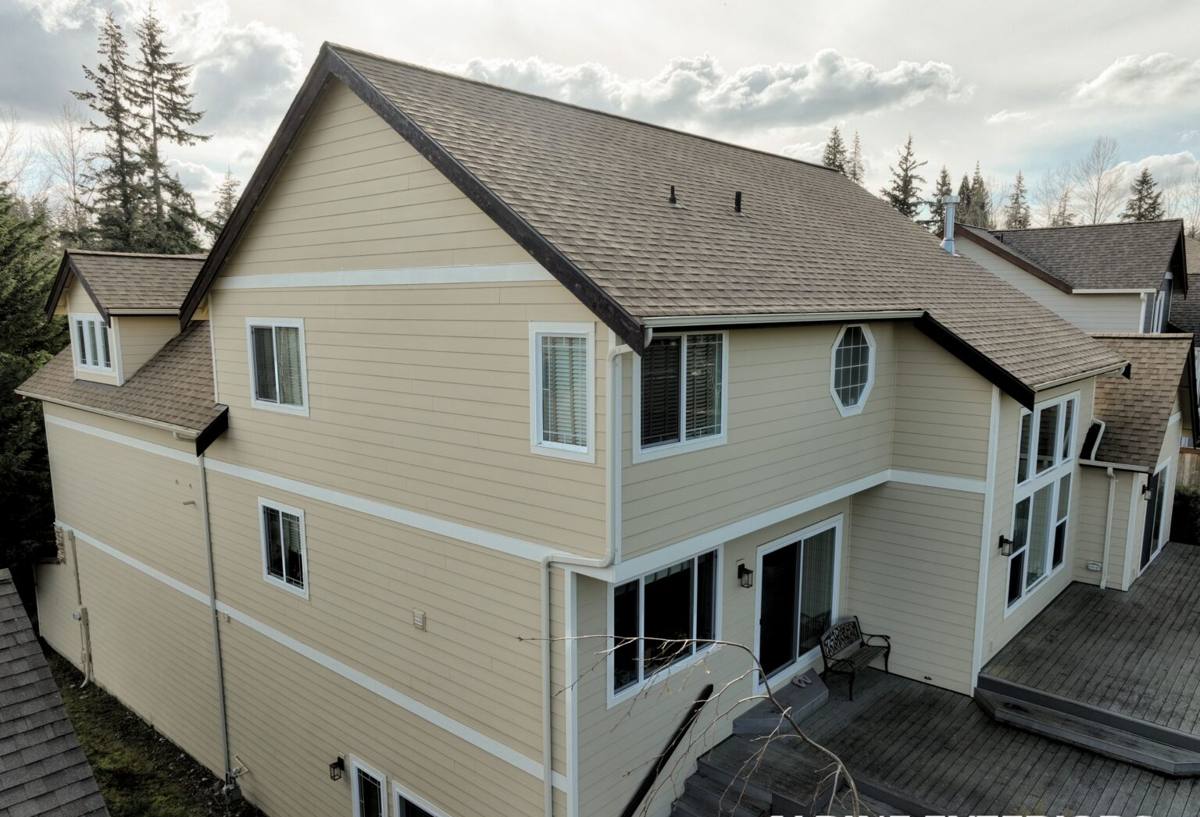
Signs a Sumas-Area Deck Needs Repair, Not Just Cleaning
Pressure washing and a fresh coat of sealant hide a lot of problems for a season or two. The following are signs that the deck needs actual repair work, not just a cosmetic refresh:
- Boards that feel spongy or flex noticeably underfoot, especially near the house or a stair landing
- Dark staining or a soft, crumbly texture around fastener heads — a sign moisture has gotten under the board
- Rust bleeding from screws or nails, which usually means the original hardware wasn't rated for exterior exposure
- Gaps opening up where the deck ledger board meets the house, or flashing that's visibly failed
- Railing posts that rock or have any give when pushed — this is a safety issue, not a cosmetic one
- Persistent green or black growth in the same spots every year despite cleaning
- Stairs that feel uneven or have started to separate from stringers
Any one of these is worth a look. Several together usually mean moisture has been working on the structure for a while and a proper repair — not a surface fix — is the right call.
Why Moss Season Matters More Than It Looks Like It Should
Moss isn't just cosmetic. Once it establishes on a deck surface, it holds moisture against the wood far longer than open air and rain alone would. On shaded decks or ones tucked under trees — common around Sumas and the surrounding Whatcom County tree line — that trapped moisture is often the actual reason boards fail years before they should. Cleaning moss off is maintenance; understanding why it keeps coming back in the same spots is part of doing the repair right.
What a Correct Deck Repair Actually Involves
A deck is a system — decking boards, joists, beams, posts, footings, ledger connection, flashing, and fasteners all have to work together. Repairing one part while ignoring a related failure point just moves the problem down the road.
Structural Repairs vs. Cosmetic Fixes
Structural repair means addressing anything that affects load-bearing capacity or long-term water intrusion: rotted joists, a failed ledger connection, undersized or corroded fasteners, posts that have shifted, or footings that have heaved or settled. Cosmetic work — replacing a few worn boards, resurfacing, re-staining — matters for appearance and for slowing future damage, but it doesn't fix a structural issue underneath it. Part of our job on every repair call is telling a homeowner honestly which category their deck falls into before any work starts.
Fasteners and Hardware
This is where a lot of deck repairs go wrong, and it's often invisible until the rust shows up. Standard interior-grade screws and nails corrode quickly under Whatcom County's rain and humidity, and once a fastener starts rusting, it enlarges its own hole and loosens the board it's holding. We use exterior-rated, corrosion-resistant fasteners and structural hardware sized for the actual load — not just whatever matches the hole that's already there.
Ledger Boards and Flashing
The ledger board — where the deck attaches to the house — is the single most common source of hidden rot we find on repair calls. If flashing behind it has failed or was never installed correctly, water runs behind the board for years before anyone notices a problem. Any repair that touches this connection gets proper flashing as part of the job, not just a re-fastened board over the same gap.
Repair vs. Replace: How We Help You Decide
Not every deck problem needs a full rebuild, and not every problem should be patched. The table below covers the factors that actually drive that decision on Whatcom County homes.
| Factor | Leans Toward Repair | Leans Toward Replacement |
|---|---|---|
| Extent of rot | Isolated to a few boards or one section | Widespread across joists, beams, or multiple areas |
| Structural framing | Framing is sound, only surface boards affected | Joists, beams, or posts show significant decay |
| Age of deck | Under 12-15 years, built to code | Older, or built before current fastening/flashing standards |
| Ledger connection | Flashing intact, attachment solid | Ledger rot or missing/failed flashing found |
| Budget priority | Targeted fix within a set budget | Wanting a longer-term reset rather than repeated patch jobs |
We walk this table through with the homeowner in person, because a deck that looks fine on the surface can hide framing problems, and a deck that looks rough can sometimes be solid underneath with just a few bad boards.
Our Process for Sumas-Area Deck Repair
- On-site inspection: We check the decking surface, framing underneath, ledger connection, posts, footings, and railings — not just the spot the homeowner called about.
- Honest scope and estimate: We tell you what's actually wrong, what's optional, and what's a safety issue that shouldn't wait. No pressure to upgrade beyond what the deck needs.
- Removal of failed material: Rotted boards, compromised framing, and corroded hardware come out completely — we don't fasten new material to bad wood underneath.
- Structural correction first: Any framing, ledger, or flashing issue gets fixed before new decking goes down, since that's the part that causes repeat failures if skipped.
- Rebuild with exterior-rated materials: New boards, hardware, and fasteners matched to the existing deck or upgraded where it makes sense.
- Final walk-through: We check the repair together before we call the job done.
Materials: What We Use and Why
Pressure-Treated Lumber
Pressure-treated framing lumber remains the standard for deck structure because it's rated specifically for ground contact and outdoor exposure. For decking boards, it's a solid, budget-conscious option, but it does require regular sealing to perform well through repeated Whatcom County wet seasons — skipping that maintenance is the most common reason treated-wood decks need repair sooner than expected.
Composite and Capped Decking
Composite decking resists rot and doesn't need staining, which makes it attractive for a climate like this one. Our standard is careful attention to manufacturer spacing and fastening specs during installation — composite is less forgiving of installation shortcuts than wood, and gaps or fastening errors show up as squeaks, buckling, or warranty problems down the line. We'll walk through the real trade-offs — upfront cost versus long-term maintenance — for your specific deck rather than pushing one material as universally better.
Hardware and Fasteners
Every repair uses stainless or coated exterior-rated hardware sized to the connection it's making. This is a small line item on an estimate but it's the difference between a repair that holds for a decade and one that starts rusting loose within a couple of wet seasons.
Maintenance That Extends the Life of a Repair
A repair job is only as good as what happens to the deck afterward. A few habits make a real difference in this climate:
- Clean moss and organic debris off the surface and between boards at least once a year, ideally before the wet season sets in
- Keep gutters and downspouts clear so runoff isn't draining directly onto or under the deck
- Reseal or restain wood decking on the schedule the product calls for — don't wait until it looks dry and gray
- Check the ledger connection and railing posts for movement once a year
- Trim back vegetation that's shading the deck and keeping it damp longer than the rest of the yard
Why a Crew That Already Works Sumas and Blaine Matters
Deck problems in this part of Whatcom County follow patterns — where moss builds up, which ledger connections tend to fail first, how framing holds up after a decade of this rain cycle. A crew that works this area regularly has already seen the way these decks fail and knows what to check that isn't always obvious from the surface. That's less guesswork for you, and it means a repair estimate that reflects what's actually likely going on, not a generic checklist.
We also stand behind our own repair work with straightforward warranty terms, and we're not going anywhere — if a fastener works loose or a board needs a second look after a hard winter, we're a local call, not a company that did one job and left the area.
Get a Free Estimate on Your Sumas Deck Repair
If your deck has soft spots, rust stains, persistent moss, or just feels less solid than it used to, it's worth a look before another wet season adds to the damage. We'll give you an honest assessment of what's actually wrong and what it takes to fix it right — no pressure, no upsell. Use the form below to request a free estimate.