 Blaine Siding
 Windows Built for the Sumas Stretch of Whatcom County
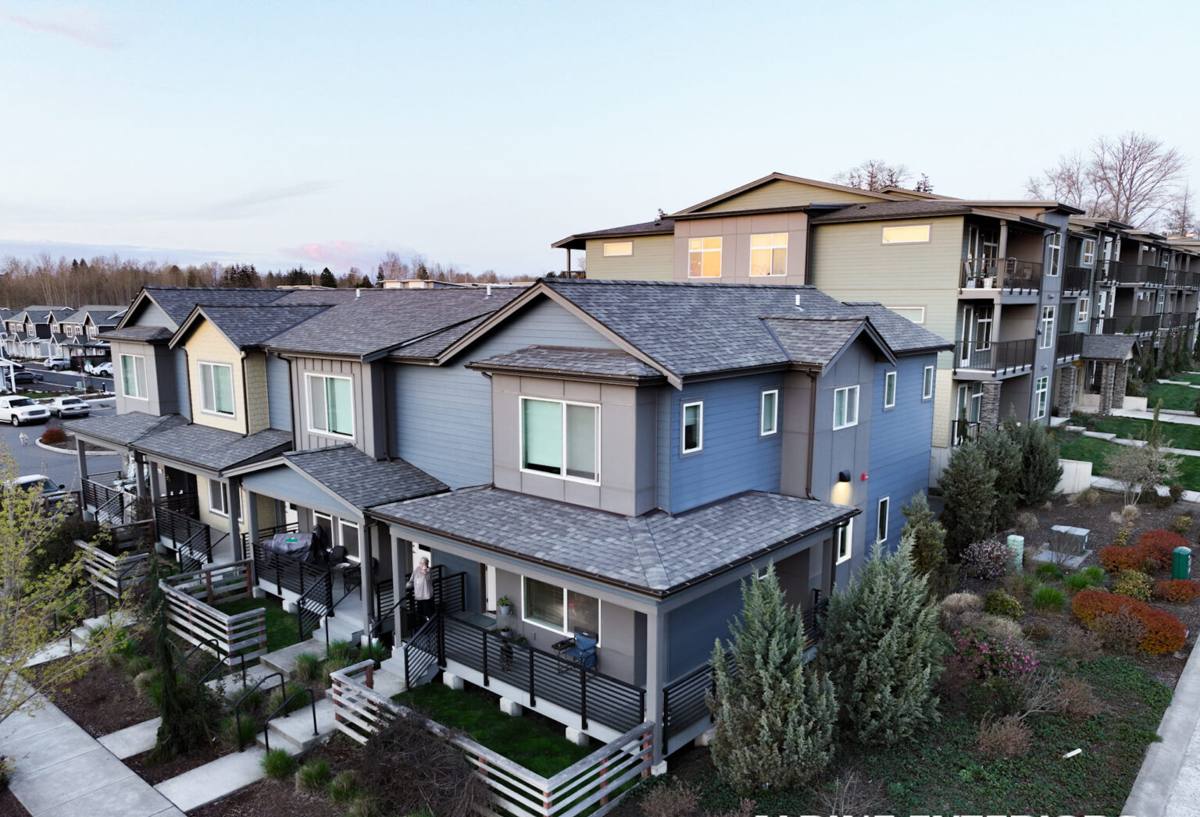
Homes along this end of Whatcom County take a different kind of weather beating than houses even twenty miles inland. You're dealing with salt-laden air pushing in off the Strait, long stretches of driving rain that hits siding and window frames sideways instead of straight down, and a moss and mildew season that can run eight or nine months out of the year in a wet stretch. Windows are one of the first places that shows up. Old aluminum frames pit and corrode. Wood sashes swell, stick, and eventually rot at the corners. Seals fail years before they should, and you end up with fogged glass, cold drafts, and sills that stay damp long after the rain stops.
This page is specifically about window replacement for homes in and around Sumas — not a general overview of every window product we carry. If you're trying to figure out whether your windows need attention, what a correct replacement job actually involves out here, and why it matters that the crew doing the work already knows this climate, this is the page for you.
How Coastal Climate Shows Up in Older Windows
Before replacing anything, it helps to understand what's actually failing and why. Out here, window problems usually trace back to one of a handful of causes:
- Salt air corrosion — aluminum frames and hardware pit and oxidize faster near the coast, and once corrosion starts on a track or latch, it doesn't stop on its own.
- Wind-driven rain intrusion — rain that hits a wall at an angle finds every gap in old flashing or failed caulk, and it tends to show up as staining below the sill rather than an obvious leak.
- Wood rot at joints — older wood-frame windows fail first at the corners and the bottom rail, where water sits longest.
- Seal failure in double-pane units — the insulated glass seal is the first thing to go in a marine climate; once you see fogging or a milky ring between the panes, that seal is done and can't be repaired, only replaced.
- Moss and mildew staining — persistent damp conditions let mildew take hold on frames and sills that don't get enough sun or airflow to dry out between rain events.
None of this means every old window needs to come out immediately. But it does mean that in this climate, window problems compound faster than they would in a drier region, and a "wait and see" approach usually costs more in the long run than catching it early.
Signs It's Time to Replace, Not Repair
Repair makes sense for isolated hardware failures or a single cracked pane. Full replacement is the right call when you're seeing several of these at once:
- Fogging or a visible ring between the panes of a double-pane window
- Frames that are soft, spongy, or visibly rotting at the corners
- Windows that won't stay open, won't latch, or have swollen shut
- A noticeable draft you can feel with your hand along the frame on a windy day
- Condensation forming on the inside of the glass regularly, even in mild weather
- Visible corrosion or pitting on aluminum frames or hardware
What a Correct Window Replacement Job Involves
Window replacement done right isn't just swapping the sash and calling it done. In a wind-and-rain climate, the details around the window matter as much as the window itself. A correct job includes:
Removal and Opening Inspection
Once the old window is out, we check the framing underneath for hidden rot or water damage before anything new goes in. This is the point where problems that caused the original failure — usually moisture getting behind the frame — actually get found and fixed, not just covered over.
Flashing and Water Management
This is the step that gets skipped most often on cut-rate jobs, and it's the one that matters most here. Proper flashing tape and a correctly lapped weather-resistive barrier around the new window opening are what keep wind-driven rain from working its way behind the siding. Get this wrong and you won't see the consequences for a year or two — by which time it's a siding and framing repair, not just a window issue.
Air Sealing and Insulation
The gap between the window frame and the rough opening gets sealed with a proper low-expansion foam or backer rod and sealant — not just caulked around the outside trim. This is what actually stops drafts and controls condensation on the interior.
Level, Plumb, and Square Setting
A window that's out of square will bind, won't latch fully, and will let water and air past the weatherstripping no matter how good the unit itself is. Shimming and checking this properly takes time — it's not a step that can be rushed.
Exterior Trim and Sealant Finish
The final exterior seal and trim work is what you see, but by the time you're looking at it, the parts that actually keep water out are already buried behind it. This is why it's worth asking a contractor to walk you through the flashing detail before the trim goes on, not just after.
Choosing the Right Window Material for This Climate
There's no single "best" window material — the right choice depends on your home's exposure, your budget, and how much maintenance you're willing to keep up with. Here's how the common options actually perform in a salt-air, high-rain environment:
| Material | Coastal/Moisture Performance | Maintenance | Typical Trade-offs |
|---|---|---|---|
| Vinyl | Good — won't rot or corrode, handles moisture well | Low — occasional cleaning | Frame color/finish options are more limited than wood or fiberglass |
| Fiberglass | Very good — dimensionally stable, resists warping in wet-dry cycles | Low | Higher upfront cost than vinyl |
| Wood-clad | Good if the cladding is intact, but any breach exposes wood to rot | Higher — cladding seams and any exposed wood need monitoring | Best appearance for some home styles, but more maintenance risk here |
| Bare aluminum | Poor — corrodes and pits in salt air over time | Moderate, but corrosion isn't reversible | We don't recommend bare aluminum for direct coastal exposure on this project type |
For most homes in this area, we steer people toward vinyl or fiberglass for anything with direct coastal or wind exposure, simply because they don't give moisture a foothold. Wood-clad still has a place on homes where the look matters more and the window is more sheltered — it's a legitimate choice, just one that asks more of you in upkeep over the years.
Glass Packages Worth Considering
The frame material gets most of the attention, but the glass package matters just as much for comfort and condensation control in a marine climate.
- Double-pane, standard Low-E — the baseline for most replacements; a real improvement over older single-pane or early double-pane units.
- Double-pane with argon fill — better insulating performance, worth it for rooms that run cold or face prevailing wind and rain.
- Triple-pane — the strongest option for noise and heat retention, at added cost and weight; worth discussing for a specific problem room rather than defaulting to it everywhere.
- Warm-edge spacer systems — reduce condensation forming at the edge of the glass, which is a common complaint in this climate during cold, damp stretches.
What Replacement Typically Costs
Every home is different, and the honest answer is that cost depends on window count, size, material, glass package, and how much of the surrounding trim and flashing needs rebuilding. In general terms, here's what drives the number up or down:
| Factor | Effect on Cost |
|---|---|
| Number of windows replaced at once | Per-window cost usually drops with a full-house or multi-window project |
| Frame material | Vinyl is typically the most budget-friendly; fiberglass and wood-clad run higher |
| Glass package (Low-E, argon, triple-pane) | Each upgrade adds cost but also improves comfort and energy performance |
| Condition of the existing opening | Hidden rot or damaged framing found during removal adds labor and material |
| Window size and configuration | Larger units, bay windows, and custom shapes cost more than standard sizes |
We give straight, itemized estimates that spell out material, labor, and any framing repair separately, so you know exactly what you're paying for rather than one lump number.
Our Process, Start to Finish
- On-site assessment — we look at each window from both inside and out, check for hidden moisture damage, and talk through what's actually needed versus what's optional.
- Written estimate — a clear breakdown of material, labor, and timeline, with no pressure to decide on the spot.
- Material selection — we help you weigh frame material and glass package against your budget and the specific exposure of that side of the house.
- Scheduling around weather — in this climate, we plan installs to minimize how long an opening sits exposed, and we don't start a job we can't finish before a forecast turns.
- Installation — removal, opening inspection, flashing, air sealing, setting, and finish trim, done in that order, every time.
- Final walkthrough — we check operation, seals, and finish work with you before we consider the job done.
What to Check Before Hiring Anyone for This Kind of Work
- Do they explain their flashing and water-management approach, or just talk about the window brand?
- Are they licensed and insured to work in Washington, and will they show you proof without being asked twice?
- Do they give a written, itemized estimate rather than a verbal number?
- Have they worked on homes in this specific climate zone, with this kind of wind and rain exposure?
- Do they inspect the rough opening for hidden damage before installing, rather than just swapping the unit?
- Is the warranty on both the product and the labor spelled out in writing?
Why a Crew That Already Works This Area Matters
Window replacement isn't a one-size-fits-all trade, and a crew that mostly works drier inland areas doesn't always think about flashing and water management the same way a crew working the coast does — because they don't have to, most of the year. Working Blaine and the surrounding Whatcom County communities regularly, including Sumas, means we're used to sizing jobs around wind and rain windows, we know what moisture damage looks like when we open up an old frame here, and we're not learning the local climate on your house. That's not a knock on any specific outfit — it's just a difference in what a crew sees week to week, and it shows up in the details of how a window gets installed.
After Installation: Keeping New Windows Performing
New windows still need a small amount of upkeep in this climate to get their full lifespan:
- Rinse salt residue off exterior frames periodically, especially after storms with onshore wind
- Check exterior caulk lines annually and touch up before gaps open up
- Keep weep holes on the exterior sill clear of debris and moss so water can drain properly
- Wipe down interior sills during damp stretches to prevent mildew from taking hold
- Operate hardware a few times each season so tracks and latches don't seize up
None of this is heavy maintenance — it's the same kind of light seasonal attention most homes around here need on siding and trim, just applied to the windows too.
If you're dealing with drafty, fogged, or sticking windows on a Sumas-area home, we're glad to come take a look. A free, no-pressure estimate gets you a straight assessment of what's actually needed — no obligation, just honest information you can use whether you hire us or not. The form below is the fastest way to get one scheduled.